
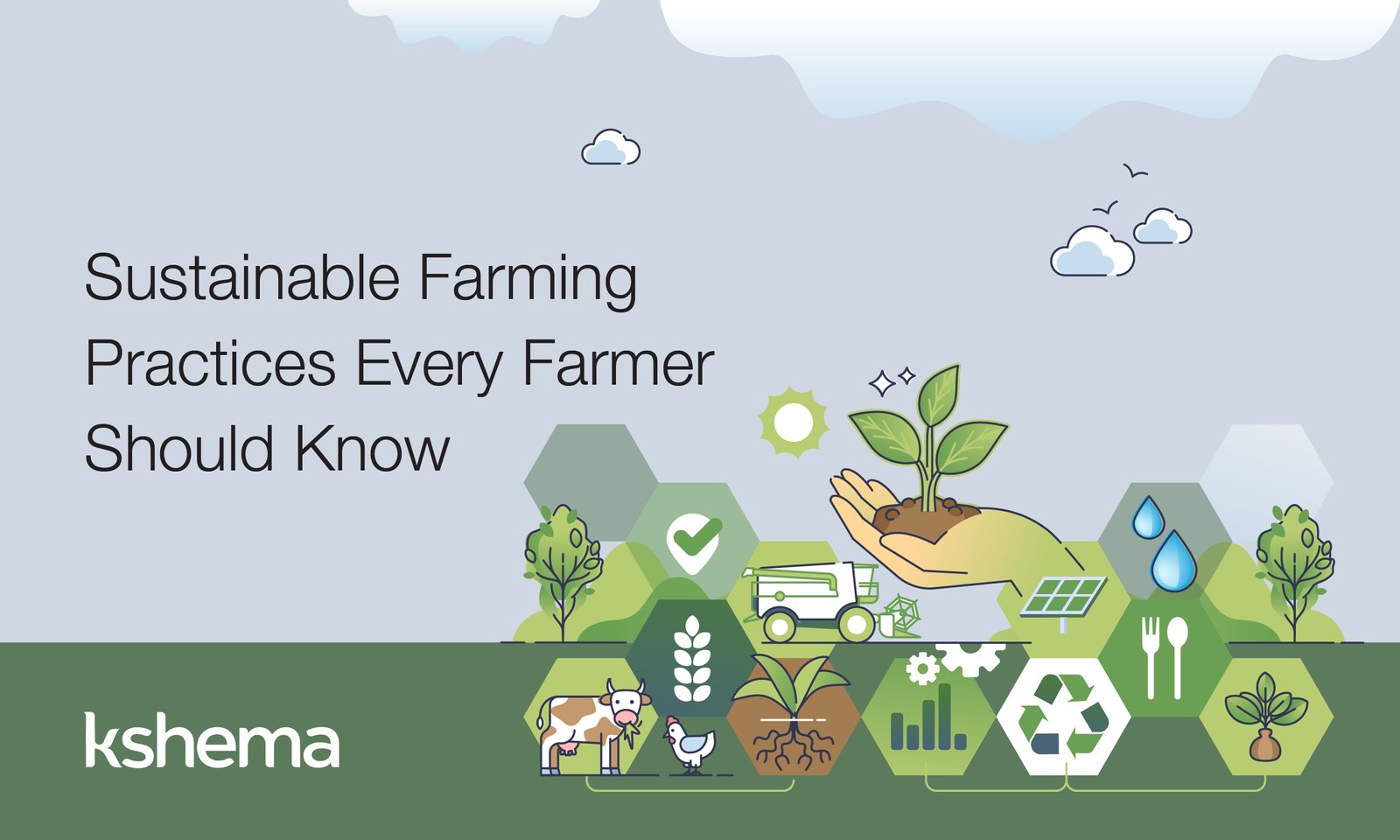
Sustainable farming is about growing more with fewer inputs while protecting soil, water, and biodiversity—without sacrificing profit. This 2026 guide explains the most effective sustainable farming practices for India, with simple steps, costs, and real benefits so farmers can improve yields, reduce risk, and stay resilient to climate change.
- Buy in easy steps
- Premium Starts at INR 499
- Protect 100+ Crops
- Quick & Easy Claims
Climate swings, rising input prices, and soil fatigue are squeezing farm profits. Sustainable farming practices in India help you grow more with fewer inputs—protecting soil, water, and biodiversity while improving income stability. This guide explains the definition, top methods (3, 5, and 10 practices), simple steps, approximate costs, and benefits—so you can start small and scale confidently.
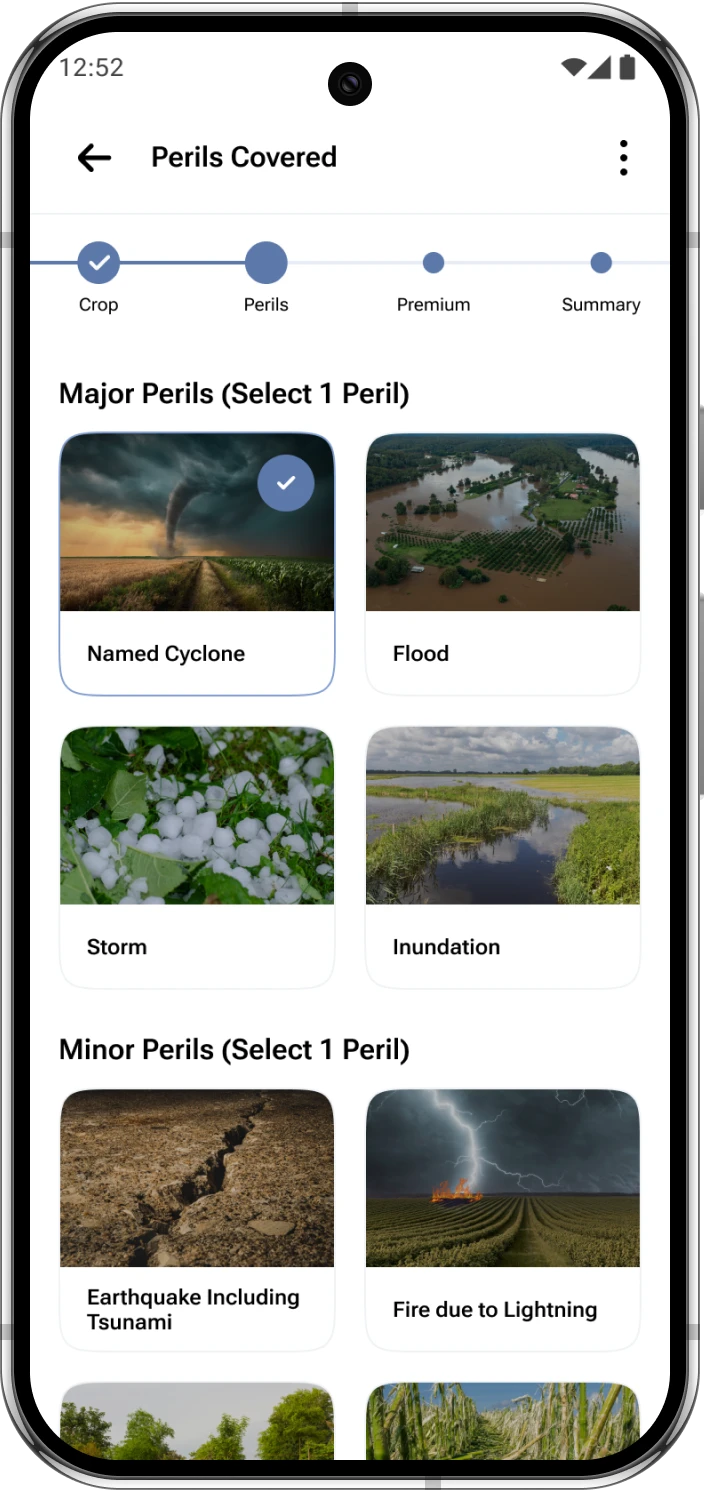
Using the Kshema App, farmers can access crop insurance and financial tools that support eco-friendly farming decisions.
What it is: Producing more with fewer inputs while protecting soil, water, and biodiversity—without losing profitability.,
Why it matters in India: Better soil fertility, water savings, lower pest pressure, resilient yields, and stable income.,
Start today: Test soil, rotate crops, add compost, switch to drip/sprinkler, adopt IPM, and record practices for claims support.
What Is Sustainable Farming and Why It Matters in India
Sustainable farming practices are more than just a trend; they are a necessity for the long-term viability of agriculture. In this blog, we’ll explore essential sustainable farming practices that every farmer should be aware of, ensuring a balance between productivity, environmental health, and economic stability.
In India, adopting sustainable agriculture practices is essential for long-term soil health, water conservation, and climate resilience. These eco-friendly farming techniques not only improve yield but also reduce environmental impact.
Practice, Cost & Benefit Snapshot
| Practice | What to Do | Approx. Cost | Main Benefit | Insurance Note |
|---|---|---|---|---|
| Soil Test + Balanced Nutrition | Conduct an annual soil test; apply compost and balanced NPK nutrients | Low | Stable yields and fewer nutrient deficiencies | Maintain soil test reports and purchase receipts |
| Mulching | Apply straw or organic mulch to the soil surface | Low | Moisture retention and effective weed control | Capture geo-tagged photos after events if needed |
| Drip/Sprinkler Irrigation | Replace traditional flood irrigation with efficient systems | Medium | 30–50% water savings and improved efficiency | Record system type in insurance or farm data |
| Crop Rotation | Rotate cereals with pulses or oilseeds | Low | Breaks pest cycles and improves soil nitrogen | Maintain a crop rotation log |
| Integrated Pest Management (IPM) | Regular scouting, threshold-based treatment, and biocontrol use | Low | Reduced pesticide costs and better pest control | Maintain pest scouting and treatment records |
| Rainwater Harvesting | Build ponds, bunds, or recharge pits | Medium | Acts as a drought buffer and improves water availability | Map and document structures for records |
3, 5, and 10 Practices at a Glance
- 3: Soil testing, rotation/intercropping, drip/sprinkler irrigation
- 5: + Integrated Pest Management (IPM), mulching
- 10: + Cover crops, conservation tillage, rainwater harvesting, agroforestry, renewable energy
1. Crop Rotation & Diversification for Sustainable Farming
One of the cornerstones of sustainable agriculture is crop rotation. By alternating the crops grown in a particular field over time, farmers can prevent soil depletion, reduce pest and weed pressure, and improve overall soil health. Different crops have varying nutrient requirements and root structures, which helps in maintaining the soil’s fertility.
For instance, planting legumes in one season can enrich the soil with nitrogen, benefiting the following crop that requires higher nitrogen levels, such as corn or wheat. Additionally, crop diversification — growing a variety of crops rather than monoculture — reduces the risk of total crop failure due to pests or diseases and can provide a more stable income stream.
Tip: Alternate cereals with pulses/oilseeds and use intercropping to spread risk—record rotations in your farm log.
2. Conservation Tillage: An Eco-Friendly Farming Technique
Conservation tillage minimizes soil disturbance, protecting structure, cutting erosion, and retaining moisture. Residue left on the field shields soil, lowers fuel use, and supports beneficial microbes—especially useful in drought‑prone regions.
No-till or reduced-till systems not only improve soil structure but also reduce the carbon footprint of farming operations by lowering fuel consumption for farm machinery. This practice is particularly beneficial in regions prone to drought, as it enhances the soil’s ability to retain water.
3. Integrated Pest Management: A Sustainable Agriculture Practice
Pesticides are the go-to-solution for managing pests, but their overuse can lead to pesticide resistance, environmental harm, and the loss of beneficial insects. Integrated Pest Management (IPM) is a sustainable approach that combines biological, cultural, physical, and chemical tools to manage pests in an eco-friendly manner.
IPM strategies include using pest-resistant crop varieties, introducing natural predators or beneficial insects to the fields, and implementing crop rotation and intercropping to disrupt pest life cycles.
Meanwhile, farmers can reduce the harsh environmental impact of pesticides while maintaining adequate crop yields by restricting its use to when it is necessary.
Scout weekly, act at threshold, rotate actives, and prefer biocontrols. Clean bunds and remove infected residues; choose resistant varieties where possible.
4. Water Conservation Methods in Sustainable Farming
Water is a precious resource, and its efficient use is critical in sustainable farming. Implementing water conservation techniques such as drip irrigation, rainwater harvesting, and mulching can significantly reduce water usage while ensuring crops receive the necessary moisture.
Drip irrigation delivers water directly to the plant roots, minimising evaporation and runoff. Rainwater harvesting systems collect and store rainwater for use during dry periods, reducing reliance on groundwater while also replenishing it. Mulching with organic materials like straw or wood chips helps retain soil moisture, suppress weeds, and add organic matter to the soil as it decomposes.
- Use drip/sprinkler at critical stages; schedule by crop growth.
- Combine mulch + irrigation to reduce evaporation.
- Build farm ponds/bunds where feasible; log volumes used.
5. Agroforestry & Biodiversity: Eco-Sustainable Farming in India
Agroforestry is the practice of integrating trees and shrubs into agricultural landscapes. This sustainable farming practice provides numerous benefits, including enhanced biodiversity, improved soil health, and increased carbon sequestration. Trees act as windbreaks, reducing soil erosion and protecting crops from harsh weather conditions.
Moreover, agroforestry systems can provide additional income streams through the sale of timber, fruits, nuts, and other forest products. By creating a more diverse and resilient ecosystem, agroforestry contributes to the overall sustainability of the farming operation.
6. Soil Health Management Using Organic Inputs
Healthy soil is the foundation of sustainable agriculture. Soil health management practices include the use of cover crops, organic fertilisers, and composting to improve soil structure, nutrient content, and biological activity. Cover crops, such as clover or rye, are planted during the off-season to prevent soil erosion, improve soil fertility, and suppress weeds.
Organic fertilisers and compost add essential nutrients to the soil without the harmful effects associated with chemical fertilisers. By enhancing soil organic matter and promoting the growth of beneficial micro-organisms, these practices contribute to long-term soil health and productivity.
For India‑specific guidance on soil and water, see FAO India: Soil & water management for food security
7. Renewable Energy for Sustainable Farm Operations
Transitioning to renewable energy sources is another crucial aspect of sustainable farming. Solar panels, wind turbines, and bioenergy systems can provide farms with clean, renewable energy, reducing consumption of fossil fuels, thus lowering greenhouse gas emissions. The initial investment in renewable energy infrastructure can lead to significant long-term savings and contribute to the farm’s overall sustainability.
Irrigation Method Comparison
| Method | Water Use | Best For | Notes |
|---|---|---|---|
| Flood Irrigation | High | Traditional field crops | High evaporation and runoff losses |
| Sprinkler Irrigation | Medium | Cereals and fodder crops | Uniform distribution but sensitive to wind conditions |
| Drip Irrigation | Low | Row crops, vegetables, and orchards | Delivers water to root zone with highest efficiency |
Kshema App Support for Sustainable Agriculture Practices
While not a farming practice, crop insurance is an essential tool for sustainable agriculture. It provides farmers with a safety net against the financial risks associated with crop failures due to extreme weather events, pests, or diseases. By mitigating financial losses, crop insurance allows farmers to continue investing in sustainable farming practices without the fear of losing their livelihood.
Conclusion
Sustainable farming in India is practical, affordable, and profitable when you start with soil testing, smart rotations, efficient irrigation, and IPM—then scale to rainwater harvesting, conservation tillage, and agroforestry. Keep simple records and photos; they improve farm decisions and support smoother servicing and claims. Safeguard your progress—download the Kshema App to explore crop insurance options that protect your farm while you build long-term resilience.
Adopt sustainable farming today! Download the Kshema App and explore crop insurance plans to secure your farm’s future.
FAQs About Sustainable Farming in India
1. What is the definition of sustainable agriculture?
Producing sufficient food and income while conserving soil, water, and biodiversity so that future productivity and farm profitability are not compromised.
2. What are 3 sustainable farming practices I can start now?
1) Soil testing with balanced fertilization, 2) Crop rotation/intercropping with legumes, 3) Switching to drip/sprinkler plus mulching.
3. List 5 sustainable agricultural practices for Indian farms?
Soil testing, crop rotation, IPM, drip/sprinkler irrigation, and mulching. Add composting and rainwater harvesting as you scale.
4.Can sustainable farming increase yield and profit?
Yes. Healthier soils, targeted water use, and IPM reduce losses and input waste, improving yield stability and net margins over time.
5. How does crop insurance support sustainable farming?
It protects cash flow against weather, pest, or disease shocks, enabling continued investment in soil, water, and IPM practices. Manage policies and documentation via the Kshema App