
The rabi season is the shorter of the two main crop seasons in India but by no measure it is any less important than the longer kharif season. The primary crops for this crop cycle are wheat, barley, mustard, and peas etc, providing not only food security to the country but also financial stability to millions of farmers. However, the shorter duration of the rabi season does not mean factors like unpredictable weather patterns, pest attacks, and other risks do not impact it, hence, safeguarding the harvest is equally critical. That is where rabi crop insurance comes in. Missing the deadlines for enrolment could mean losing out on vital protection, so let’s explore why these dates matter and how a farmer can stay ahead of the curve.
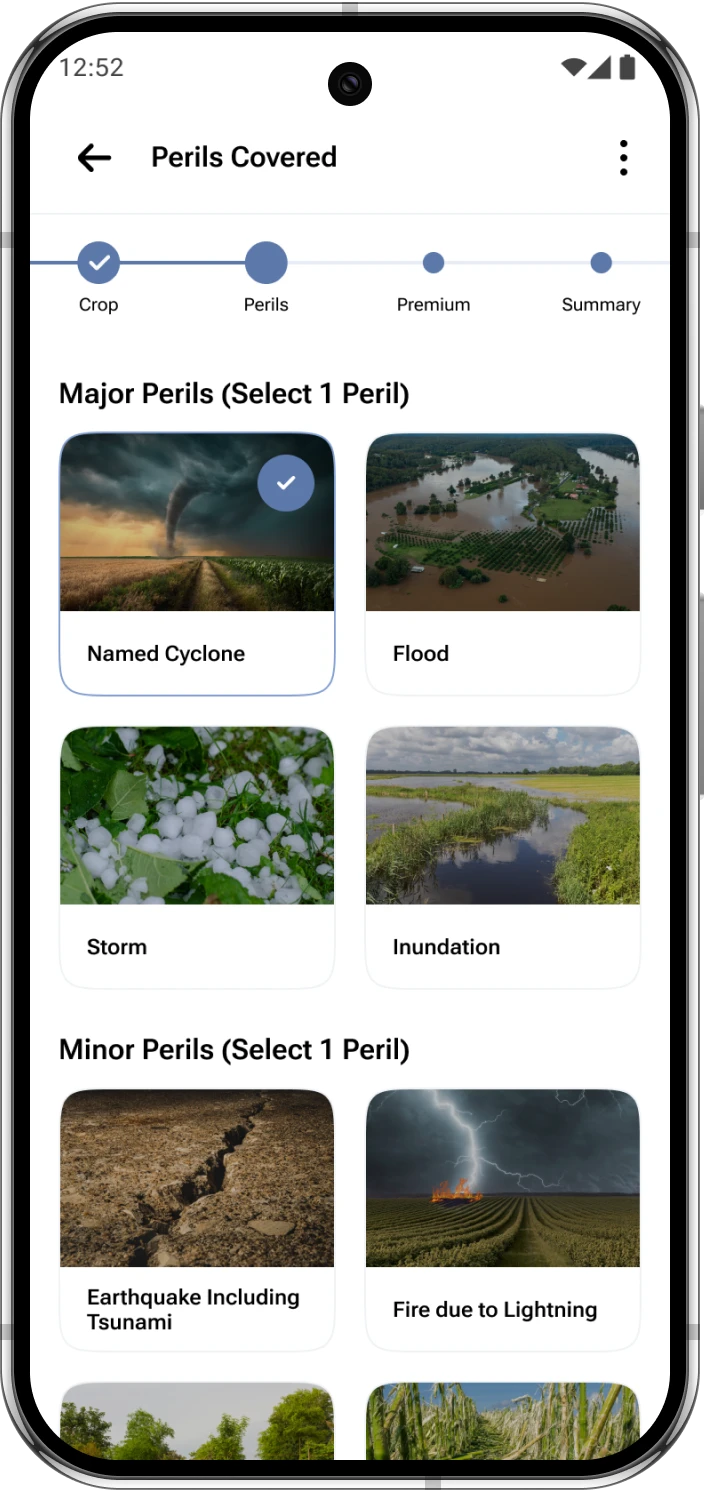
- Buy in easy steps
- Premium Starts at INR 499
- Protect 100+ Crops
- Quick & Easy Claims
Understanding Rabi Crop Insurance
Rabi crop insurance is designed to protect farmers against losses caused by natural calamities, pests, and diseases during the winter cropping season. It is part of the government-backed Pradhan Mantri Fasal Bima Yojana (PMFBY), which provides affordable premiums and extensive coverage.
Key benefits include:
- Compensation for crop loss due to unforeseen events.
- Affordable premiums subsidised by the government.
- Peace of mind for farmers who depend on rabi crops for their livelihood.
By enrolling in rabi crop insurance, farmers can ensure their hard work is not undone by factors beyond their control.
Why Deadlines Are Crucial
- The PMFBY last date usually falls just before sowing begins, ensuring coverage from the start.
- Farmers must complete their fasal bima enrolment before this deadline to be eligible.
- Those with crop loans are often auto-enrolled, but it is essential to verify your status to avoid surprises later.
Steps for Fasal Bima Enrolment
- Visit your local bank or Common Service Centre (CSC): These are the primary points of contact for enrolment.
- Submit required documents: Land records, Aadhaar card, and bank account details are essential.
- Pay the premium: Ensure timely payment to avoid rejection.
- Collect acknowledgement: Keep proof of your fasal bima enrolment safe for future reference.
Common Mistakes Farmers Make
- Missing deadlines: Waiting until sowing begins often leads to exclusion.
- Incomplete documents: Errors in land records or Aadhaar details can delay enrolment.
- Ignoring updates: Each state may announce different dates for rabi crop insurance, so staying informed is vital.
State-Wise Variations
- In northern states where wheat dominates, deadlines may be earlier to align with sowing.
- In southern states with diverse rabi crops, dates may vary depending on rainfall and regional conditions.
Why Farmers Should Prioritise Rabi Crop Insurance
- Stability: Farmers can plan investments in fertilisers, seeds, and labour without fear of sudden loss.
- Confidence: Knowing that crops are insured encourages innovation and adoption of better farming practices.
- Community resilience: Widespread enrolment strengthens rural economies by reducing the impact of crop failures.
The Bigger Picture
- Floods, droughts, and hailstorms are becoming more common.
- Pest infestations can wipe out entire fields overnight.
- Market fluctuations add another layer of uncertainty.
Final Word
The importance of rabi crop insurance cannot be overstated. With climate change and unpredictable weather patterns, timely fasal bima enrolment is the only way to safeguard your harvest. Keep track of the PMFBY last date, prepare your documents in advance, and ensure your premiums are paid on time.
By staying proactive, farmers can protect their hard work, secure their livelihoods, and contribute to a stronger agricultural economy.