
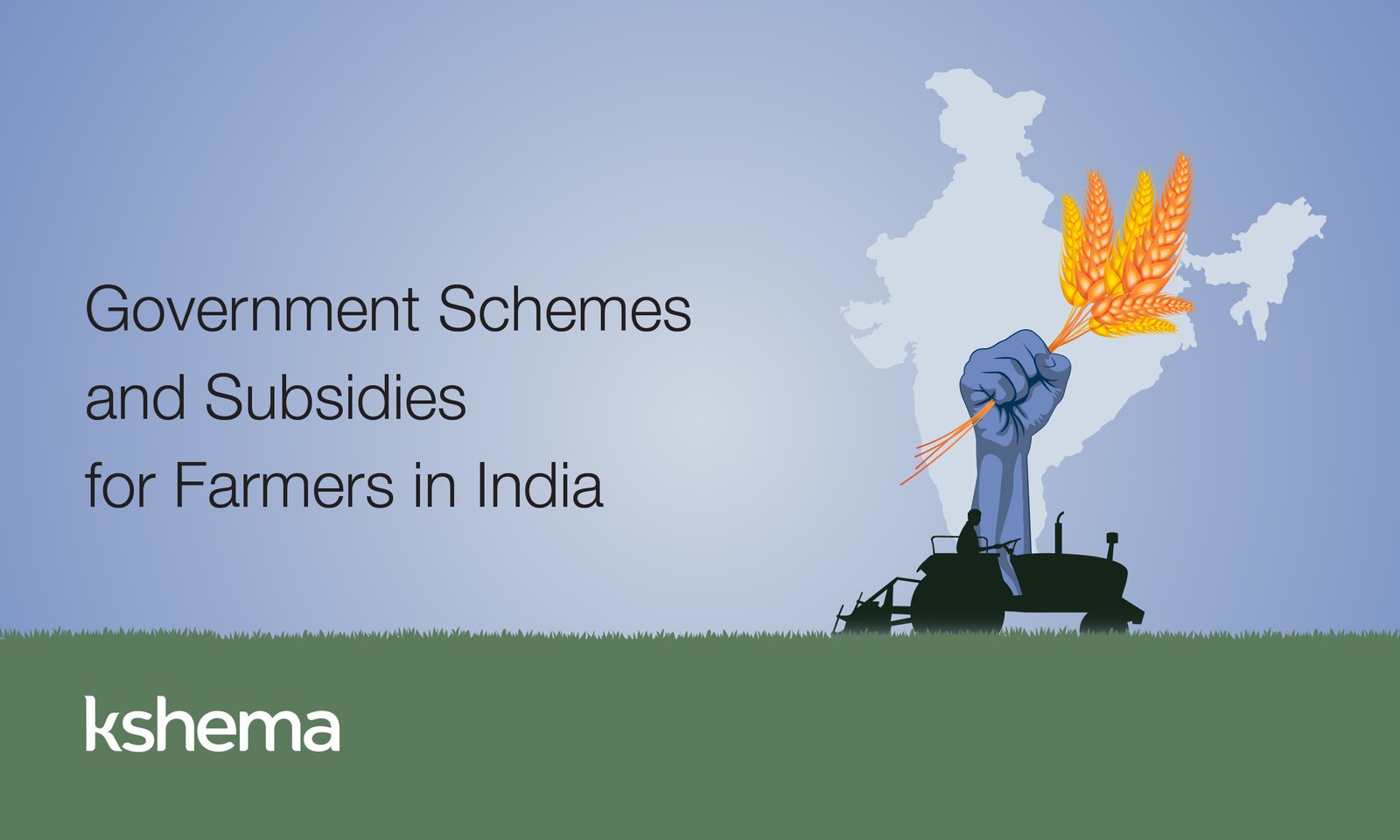
Agricultural Subsidies in India help reduce farming costs, lower risk, and improve access to inputs like seeds, fertilizer, irrigation, machinery, and credit. If you are a farmer or agri-entrepreneur, this guide explains key subsidy types, who is eligible, how much support you can expect, and the fastest ways to check and track your subsidy status online.
Also, Read: Check best Rabi crops for 2026
This updated 2026 farmer guide explains the key agricultural subsidies in India, major government schemes, benefits for farmers, and how to apply through state portals and the Kshema App.
- Buy in easy steps
- Premium Starts at INR 499
- Protect 100+ Crops
- Quick & Easy Claims
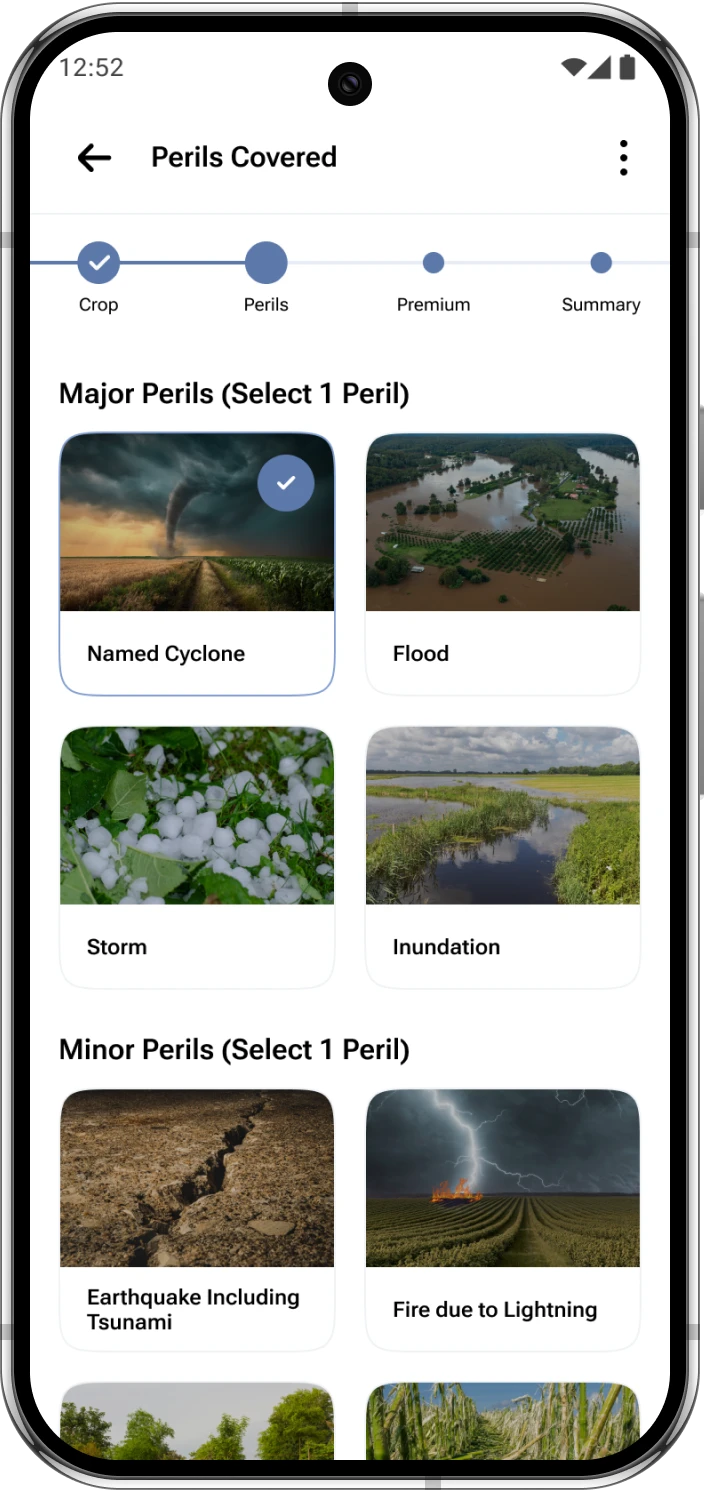
Quick answer:
Agricultural subsidies in India include direct cash support (PM-KISAN), input subsidies (seeds, fertilizer, electricity), insurance premium support (PMFBY), irrigation/solar pump support (PM-KUSUM/PMKSY), mechanization (SMAM), credit interest subvention (KCC), and infrastructure funding (AIF).
Eligibility depends on land records, category (small/marginal), activity (crop, dairy, horticulture), and state-specific rules. Most benefits are paid via DBT to your Aadhaar-linked bank account., How to check subsidy: Use official portals like PM-KISAN, PMFBY, State DBT Agriculture portals, PFMS Know Your Payments, and your bank statement/passbook.
Quick Summary: Key Subsidies for Indian Farmers (2026)
- Fertiliser subsidies for reduced nutrient costs
- Seed subsidies for high‑yield, certified seeds
- Irrigation & electricity support
- PM‑KISAN direct income support
- PMFBY crop insurance premium subsidy
- Kisan Credit Card (KCC) low‑interest loans
- Soil Health Card for better nutrient planning
- State‑specific subsidy portals (Telangana, Gujarat, etc.)
What Are Agricultural Subsidies in India?
Agricultural subsidies are government support programmes designed to reduce the financial burden on farmers. These include cost reductions on seeds, fertilisers, irrigation and credit, along with weather‑risk protection through subsidised crop insurance.
These subsidies enable farmers to adopt modern practices, manage farming costs more effectively and safeguard their income during difficult seasons.
Why Agricultural Subsidies Matter for Indian Farmers
Subsidies bridge the gap between high input costs and volatile output prices. They reduce risk from weather and market shocks, support adoption of better technology, and improve farm incomes—especially for small and marginal farmers who form the majority in India.
- Lower cost of production: Seed, fertilizer, electricity, and machinery subsidies reduce cash outflow.
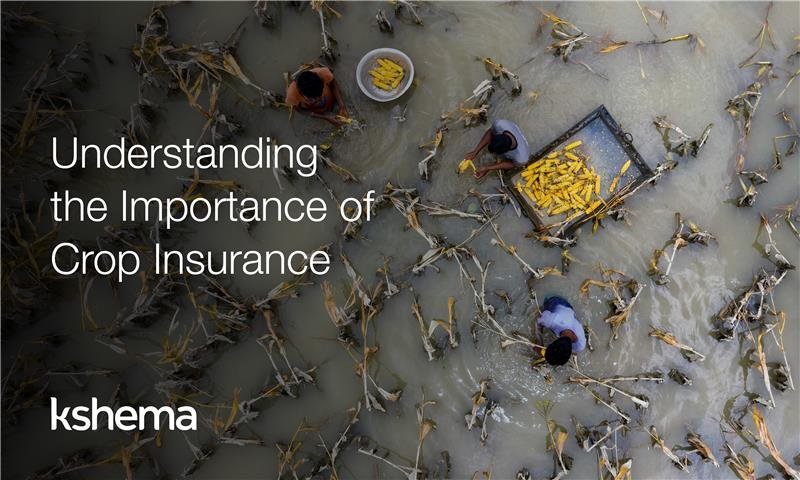
- Risk protection: Crop insurance premium subsidy and disaster relief minimize income shocks.
- Capital access: Interest subvention and guarantee schemes make credit affordable.
- Modernization: Support for drip/sprinklers, solar pumps, and FPOs raises productivity.
Apply for farmer subsidies using the Kshema App
Types of Agricultural Subsidies in India (Central and State )
1. PM‑KISAN - Direct income support
PM-KISAN: Direct cash transfer to eligible landholding farmers in installments each year. Paid via DBT to Aadhaar-linked bank accounts.
2. Pradhan Mantri Fasal Bima Yojana (PMFBY) - Crop Insurance Premium Subsidy
Pradhan Mantri Fasal Bima Yojana (PMFBY): Farmers pay a capped premium share; the remaining premium is subsidized by Centre and State. Covers notified crops against weather and yield losses.
Read also: Top 10 Benefits of Crop Insurance for Farmers
3. Input Subsidies
- Seed subsidy (e.g., under NFSM, State Horticulture Missions): Quality seeds for cereals, pulses, oilseeds, and horticulture at subsidized rates.
- Fertilizer subsidy: Provided to manufacturers to keep retail prices affordable for farmers.
- Electricity/irrigation subsidy: State-level support for farm power and canal water charges; varies by state.
4. PMKSY - Irrigation and Water-Use Efficiency
- PMKSY–Per Drop More Crop: Subsidy for micro-irrigation (drip/sprinkler); typical assistance ranges by state and farmer category.
- PM-KUSUM: Subsidy for solar pumps and solarization of feeders; lowers diesel/electricity costs.
5. Farm Mechanization and Technology
- SMAM (Sub-Mission on Agricultural Mechanization): Subsidy for tractors, power tillers, harvesters, drones (as per guidelines), and Custom Hiring Centres.
- Digital agri services: Some states support e-NAM onboarding, soil testing, and advisory tools.
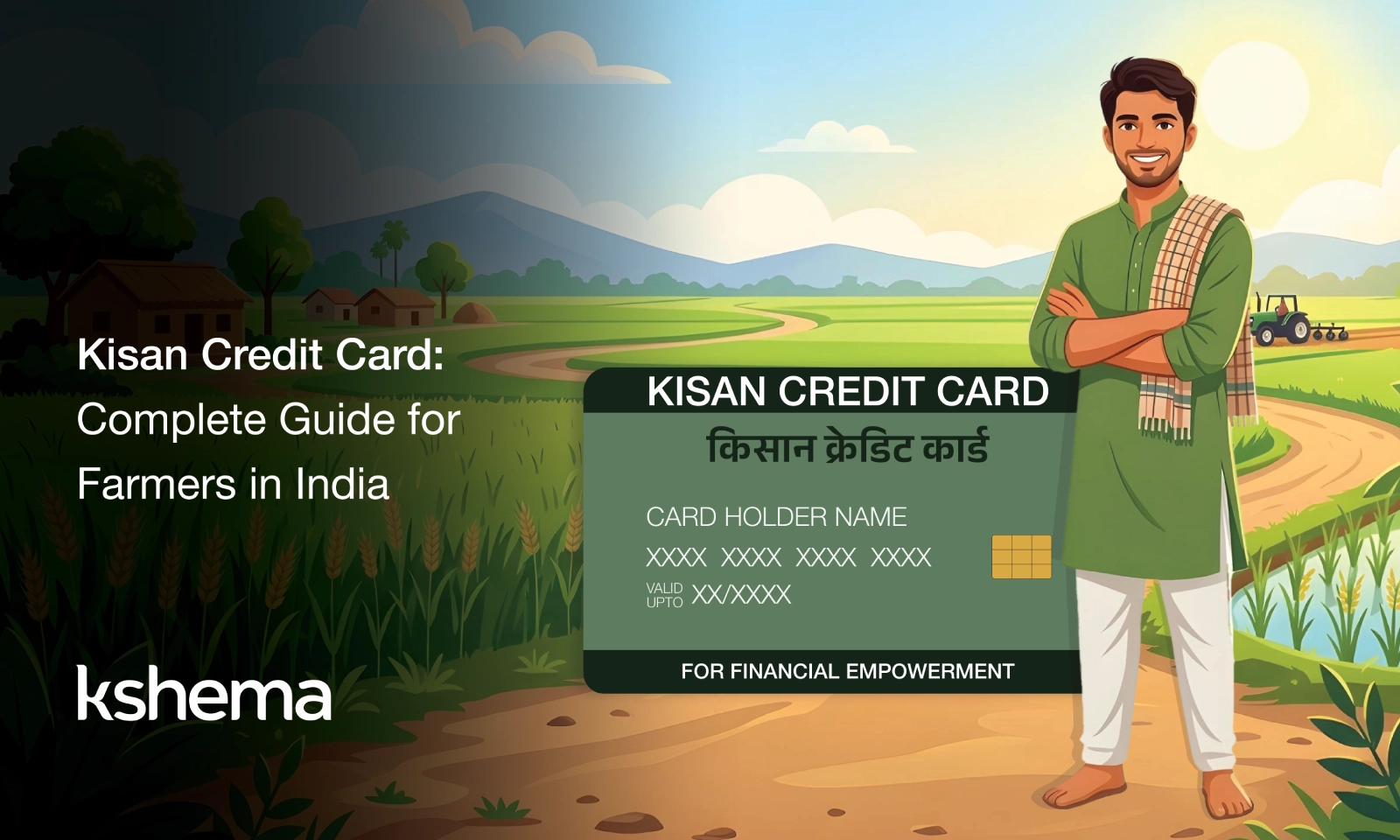
6. Kisan Credit Card- Credit and Finance Support
- Kisan Credit Card (KCC): Short-term credit with interest subvention and prompt repayment incentives.
- Agriculture Infrastructure Fund (AIF): Interest subvention and credit guarantee for warehouses, cold chains, primary processing, etc.
- Stand-Up/Start-Up India (agri-eligible): Facilitate loans for agri-entrepreneurs and FPOs.
7. MSP- Market and Price Support
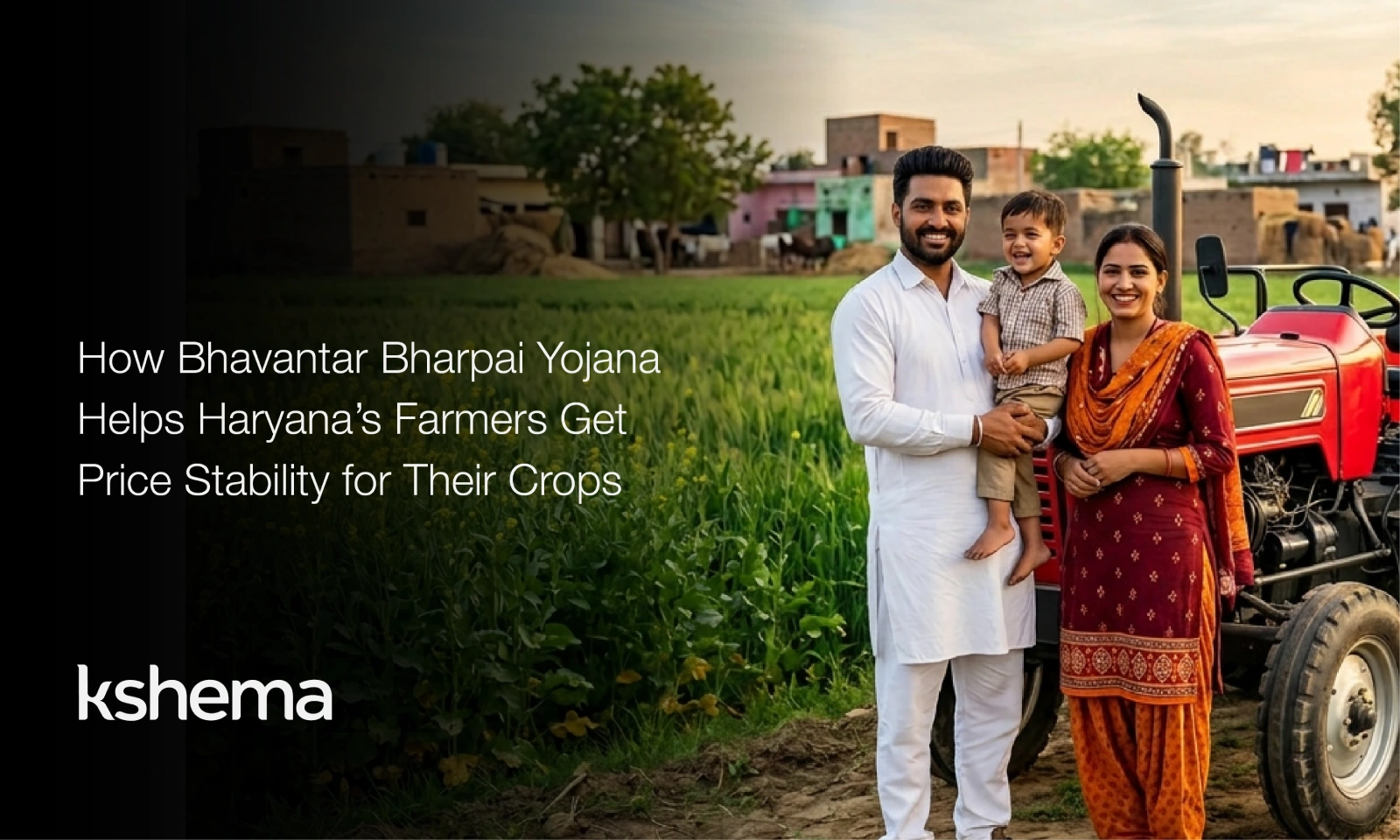
- MSP procurement: Ensures assured prices for notified crops when procured; not a direct cash subsidy but key income support.
- e-NAM: Better market access and transparency; some states support logistics and grading.
Government Subsidies for Agriculture Business in India
Beyond individual farmers, agri MSMEs, FPOs, cooperatives, and startups can access support for processing, storage, logistics, quality certification, and working capital.
- FPO Formation & Promotion: Equity grants, credit guarantee, training.
- AIF for agri-infrastructure: Interest subvention and CGTMSE guarantee for warehouses, ripening chambers, grading/pack-houses.
- Food processing schemes (MoFPI): Support for micro-food enterprises, branding, common infrastructure.
Eligibility: Who Can Apply?
- Farmer categories: Small/marginal farmers often get higher subsidy percentages.
- Land records: Up-to-date land ownership/lease documentation is critical (State revenue records).
- Aadhaar & bank linkage: Aadhaar-seeded bank account and e-KYC are usually mandatory.
- Activity-specific criteria: Crop notified under PMFBY, area under drip, equipment type under SMAM, etc.
How to Apply for Agricultural Subsidies in India via Kshema App
- Registration: Farmers need to register themselves with their respective State Agriculture Departments or authorized agencies to avail the benefits under specific schemes.
- Required Documentation: Most schemes require basic documentation, including Aadhaar numbers, bank account details, and land records. Ensuring these documents are in order simplifies the application process.
- Awareness Programs: The government frequently organises workshops, training sessions, and awareness programs to inform farmers about available schemes. Farmers can actively participate to stay updated.
Read also: How to Ensure Your Crop Rotation Practices Align with Insurance Policies
| Subsidy Type | Who Benefits | Typical Support | Where to Apply | How to Check Status |
|---|---|---|---|---|
| PM-KISAN (Income Support) | Eligible landholding farmers | Direct benefit transfer (DBT) in installments | PM-KISAN Portal or Common Service Centers (CSC) | PM-KISAN beneficiary status portal, PFMS |
| PMFBY (Crop Insurance) | Farmers growing notified crops | Premium subsidy with crop loss claim protection | Banks, CSCs, or PMFBY Portal | PMFBY portal, bank SMS alerts |
| Seed/Fertilizer Subsidy | Agriculture and horticulture farmers | Subsidized seeds, fertilizers, and seed kits | State DBT Agriculture/Horticulture portals | State DBT dashboards, dealer receipts |
| PMKSY Micro-Irrigation | Field and horticulture farmers | Subsidy for drip and sprinkler irrigation systems | State irrigation or horticulture DBT portals | Application ID tracking on state portals |
| PM-KUSUM (Solar Pumps) | Farmers and FPOs | Capital subsidy with loan options for solar pumps | State Nodal Agency portals | State renewable energy or DISCOM portals |
| SMAM (Mechanization) | Individual farmers, CHCs, and FPOs | Subsidy on tractors, drones, and farm equipment | State Agriculture Engineering or DBT portals | State portals and dealer tracking systems |
| KCC (Credit) | Farmers including dairy and fisheries sectors | Interest subvention and collateral-free loans | Banks and financial institutions | Bank passbook and SMS updates |
| AIF (Infra Finance) | FPOs, MSMEs, and agri-startups | Interest subvention with credit guarantee support | AIF portal through partner banks | AIF portal and bank updates |
How to Apply and Track Subsidies (Step-by-Step)
Central/Flagship Portals
- PM-KISAN: Visit the official portal, check beneficiary status by Aadhaar/mobile, complete e-KYC, and verify land records if flagged.
- PMFBY: Use the crop insurance portal to enroll (through bank/CSC/authorized channels), then track application status and claim settlement.
- PFMS – Know Your Payments: Track DBT credits to your bank account using bank details or Aadhaar (as permitted).
State DBT Agriculture Portals
Each state operates a DBT portal for inputs, irrigation, mechanization, and horticulture schemes. Steps typically include:
- Register with Aadhaar and mobile.
- Fill beneficiary details; upload land records and bank passbook.
- Select scheme (e.g., drip, tractor, seed kit); submit application.
- Track status in dashboard; respond to queries; complete physical verification where required.
Bank and CSC Channels
For KCC, PMFBY, and some equipment subsidies, you can apply via your bank branch or Common Service Centre. Always keep acknowledgment receipts and application IDs.
Subsidy Amounts: What to Expect (Illustrative)
- PMFBY premium: Farmer share is capped (e.g., up to a few percent of sum insured) with the balance subsidized.
- Micro-irrigation: Assistance often ranges widely by state and category; small/marginal farmers may get higher support.
- SMAM mechanization: Subsidy percentage varies by equipment and beneficiary category; CHCs can get higher support for shared assets.
- PM-KUSUM: Solar pump cost sharing among beneficiary, Centre, and State; beneficiary contribution reduced for small/marginal farmers.
Note: Exact percentages and caps vary by scheme, state, and year. Always verify latest guidelines on official portals.
Examples: How Farmers Benefit
- Rainfed soybean farmer (MP): Enrolls in PMFBY before sowing, gets premium subsidy; in a drought year, claim helps cover input costs.
- Vegetable grower (MH): Installs drip under PMKSY with state subsidy; water use drops, yield improves.
- FPO in Bihar: Uses AIF to set up a pack-house with interest subvention; members get better prices via grading and e-NAM linkage.
- Smallholder in Rajasthan: Switches from diesel to solar pump via PM-KUSUM; irrigation costs fall, improving net income.
State vs Central: What Changes?
Central schemes set broad guidelines; states fine-tune subsidy percentages, beneficiary priorities, and application windows. Power tariff subsidy, farm electricity connections, and certain equipment lists are largely state-driven. Always check your State Agriculture/Horticulture/Power department sites for circulars.
Subsidy List 2026: How to Find the Latest Updates
Names and budgets can change across financial years. For the most accurate and current subsidy list for 2025–26 or 2026, follow this approach:
- Visit your State DBT Agriculture portal and filter by “Active Schemes”.
- Check PM-KISAN, PMFBY, PM-KUSUM, PMKSY, SMAM, and AIF official pages for current guidelines.
- Use PFMS to confirm whether payments have been credited.
- Call or visit your Krishi Vigyan Kendra (KVK) or Agriculture Department office for district-level notifications.
Common Reasons Subsidy Gets Delayed or Rejected
- Name mismatch between Aadhaar, bank, and land records.
- Incomplete e-KYC or unseeded bank account.
- Applying for non-notified crops/equipment or missing documents.
- Physical verification pending or failed due to absence or incorrect location details.
How Insurance Complements Subsidies
Subsidies reduce input costs, but weather and price risks remain. Crop insurance (PMFBY) and relevant general insurance covers protect cash flows and investments—especially after adopting subsidized assets like drip systems or machinery. Choosing transparent, digital-first insurers can make enrollment and claims faster and easier.
Action Checklist for Farmers
- Update Aadhaar, land records, and bank details; complete e-KYC.
- Enroll in PMFBY before the cut-off every season.
- Apply for one modernization subsidy each year (drip, solar pump, or mechanization) based on farm need.
- Track payments via PFMS and bank statements; keep all receipts and application IDs.
- Join or form an FPO to access infrastructure and market-linked benefits.
| Category | What It Means | What You Should Do |
|---|---|---|
| Central Scheme | Uniform core guidelines applicable nationwide | Refer to official scheme websites for latest rules and updates |
| State Implementation | Differences in subsidy percentages, timelines, and execution | Apply through state DBT portals and check district notifications |
| Verification | Physical or remote verification of land/assets | Keep documents ready and cooperate during verification |
| Payment | Direct Benefit Transfer via PFMS or state treasury | Track payments through PFMS and bank accounts |
Telangana agriculture subsidy schemes / Ikhedut portal (Gujarat): where to check
- State Agriculture Department website or local agriculture office for current subsidy windows.
- State portals (e.g., Gujarat’s Ikhedut portal) for scheme lists and application steps.
Role of Crop Insurance in Supporting Farmers
While farmer subsidies and government schemes help reduce production costs and increase market access, crop insurance serves as a critical financial safeguard. With unpredictable weather and other risks affecting crop yields, crop insurance provides farmers with much-needed protection. By compensating for crop loss, insurance minimises financial stress and ensures that farmers can reinvest in their crops.
At Kshema General Insurance, we offer comprehensive crop insurance policies tailored to the needs of Indian farmers. We offer the PMFBY policy as well as our own insurance policies Sukriti and Prakriti to complement government initiatives like PMFBY, ensuring that the farmers receive timely and adequate compensation when they need it the most.
The Indian government’s commitment to supporting farmers through various schemes and subsidies is commendable. By leveraging these initiatives and programs, farmers can reduce their production costs, improve their yields, and safeguard their livelihoods. At Kshema General Insurance, we believe in empowering farmers through crop insurance solutions that align with these government efforts, fostering a more resilient and prosperous farming community in India.
Conclusion
Trusted References
- According to the Ministry of Agriculture & Farmers Welfare, the Government of India provides multiple subsidy schemes to support farmers.Official Agriculture Source
- The Pradhan Mantri Fasal Bima Yojana (PMFBY) portal provides official details on crop insurance subsidies for farmers.Official PMFBY Portal
Frequently Asked Questions on Agricultural Subsidies in India
1.What is a government subsidy in agriculture?
It is financial support from the government to reduce farming costs or risks—through direct transfers (PM-KISAN), cheaper inputs (seeds, fertilizer, electricity), premium subsidy for crop insurance, or capital support for irrigation, machinery, and infrastructure.
2. How to check agriculture subsidy status online?
Use the specific scheme portal (PM-KISAN, PMFBY, PM-KUSUM, State DBT Agriculture) with your Aadhaar/mobile/application ID. Also check PFMS Know Your Payments and your bank passbook for DBT credits.
3. What government subsidies for agriculture business in India are available?
Agri businesses, FPOs, and MSMEs can access AIF (interest subvention + guarantee) for warehouses and processing, SMAM for machinery/CHCs, and MoFPI schemes for food processing, branding, and common infrastructure.
4. Where can I find the subsidy list 2026?
Check your State DBT Agriculture portal for active schemes, and central portals for PM-KISAN, PMFBY, PMKSY, PM-KUSUM, SMAM, and AIF. Verify payments via PFMS. Schemes and percentages may change yearly
5. Where can I check Telangana agriculture subsidy schemes or Ikhedut portal scheme lists?
Telangana farmers can check the official agriculture department site, while Gujarat farmers can use the Ikhedut portal for complete subsidy lists.
6. Are agricultural subsidies in India only for landowners?
Many schemes require land records, but FPOs, tenant farmers in some states, and agri-entrepreneurs can access specific programs (e.g., AIF, CHCs, horticulture, and processing). Check state guidelines and eligibility notes.