
The vehicle insurance scenario in India is constantly evolving and has become more complex and competitive in 2026, with countless options available to drivers. Understanding the features of these insurance policies, selecting the policy most suitable to your requirement and then comparing insurance quotes effectively is essential for securing the right cover at the best price.
- Buy in easy steps
- Premium Starts at INR 499
- Protect 100+ Crops
- Quick & Easy Claims
What this blog will cover:
- Why insurance quotes matter in India’s vehicle insurance market.
- How to get insurance quotes and compare them efficiently.
- Key factors to consider when choosing the right cover.
- Practical tips and FAQs to help you make an informed decision.
Introduction
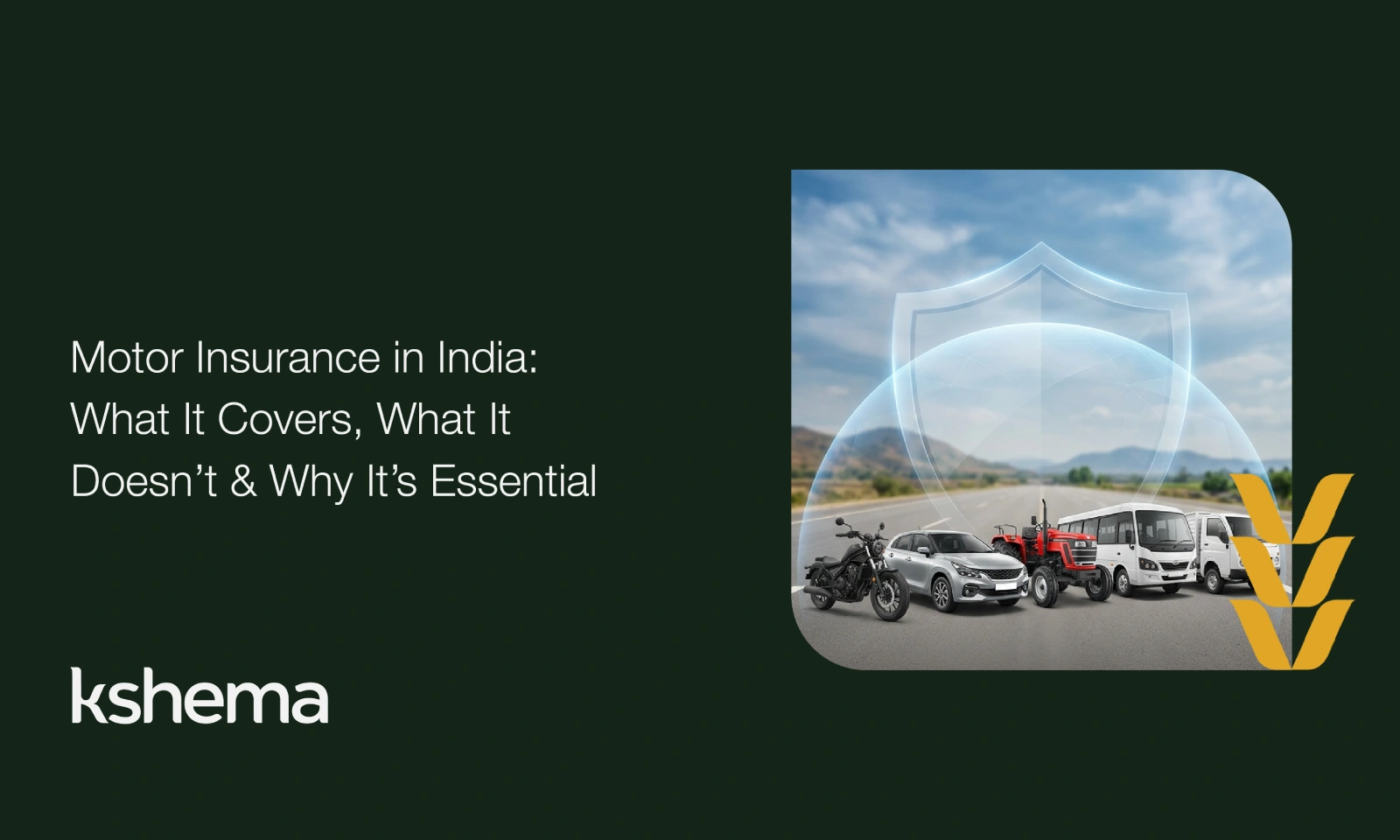
Vehicle insurance is not just a legal requirement in India; it is a financial safeguard against accidents,theft, and covered losses. Ever increasing number of vehicles and potholes, with pedestrians, hawkers,and stray animals jostling for space on Indian roads, the importance of choosing the right vehicles insurance policy has never been greater.
IRDAI motor insurance regulations
In 2026, the market offers a wide range of policies, and comparing insurance quotes is the most effective way to ensure you get the best deal without compromising on coverage.
Why Quotes Matter
Insurance quotes provide a snapshot of what different insurers are willing to offer for your vehicle. They include premium costs, coverage details, add-ons, and exclusions. By comparing these quotes, you can identify policies that balance affordability with comprehensive protection.
In India, premiums vary depending on factors such as:
- Vehicle type and age.
- Location and risk profile.
- Driver’s history and claim record.
- Chosen coverage (third-party liability vs comprehensive).
Without comparing multiple quotes, you risk overpaying or missing out on valuable benefits.
How to Get Insurance Quotes in 2026
- Online Aggregators – Websites and apps allow you to enter vehicle details and instantly receive multiple quotes from different insurers.
- Direct Insurer Websites – Many companies provide instant quotes when you input your vehicle registration number and personal details.
- Agents and Brokers – These are the two traditional channels offering options.
- Banking and FinTech Platforms – Banks and digital wallets now integrate insurance services, making it easier to get quotes alongside other financial products.
Comparing Insurance Quotes: What to Look For
When comparing various quotes, don’t just focus on the premium. Consider these critical aspects:
- Coverage Type: Third-party liability is mandatory, but comprehensive cover protects against own damage and third party.
- Add-ons: Options like zero depreciation, roadside assistance, and engine protection can make a big difference.
- Claim Settlement Ratio: A higher ratio indicates reliability in paying claims.
- Cashless Garage Network: Wider networks mean easier repairs without upfront payments.
- Exclusions: Always check what is not covered to avoid surprises later.
By comparing quotes across these parameters, you can make a balanced decision that suits your needs.
Trends in Vehicle Insurance in India (2026)
- Digital-first policies: Most insurers now offer paperless policies with instant issuance.
- Usage-based insurance: Premiums linked to kilometres driven or driving behaviour are gaining popularity.
- Climate risk coverage: Few insurers are offering add-ons for flood and storm damage.
Practical Tips for Choosing the Right Cover
- Start with your needs – Decide whether you need only mandatory third-party cover or comprehensive protection.
- Use comparison tools – Online platforms simplify comparison by putting various quotes side by side.
- Check discounts – No-claim bonuses and loyalty discounts can reduce premiums significantly.
- Read the fine print – Ensure you understand exclusions and claim procedures.
- Think long-term – A slightly higher premium may save you more during claims.