

Why Smart Irrigation Matters in Rabi Season
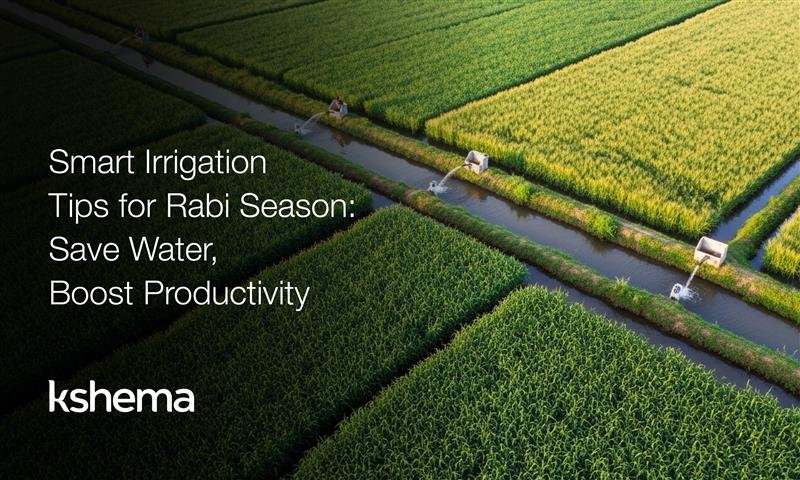
Rabi season crops like wheat, mustard and chickpeas depend fully on planned irrigation because monsoon rains are absent during winter. With groundwater levels dropping and weather patterns becoming unpredictable, farmers must choose irrigation methods that save water and increase yield. This guide explains farmer friendly smart irrigation practices—drip, sprinkler, soil moisture sensors, mulching and weather based scheduling—so that every farmer can water crops properly and protect income during the Rabi season.
With increasing pressure on groundwater and unpredictable weather patterns, adopting efficient irrigation strategies is essential.
- Buy in easy steps
- Premium Starts at INR 499
- Protect 100+ Crops
- Quick & Easy Claims
What Is the Rabi Season?
The Rabi season is the winter cropping period in India. Sowing usually starts after the monsoon ends in October–November, and harvesting happens in March–April. Unlike Kharif crops, Rabi crops grow using controlled irrigation because rainfall is very low.
Which Crops Are Grown in the Rabi Season?
Common Rabi crops include wheat, mustard, chickpeas, lentils, barley and winter vegetables. These crops require cool temperatures, light irrigation and clear weather during flowering and grain formation.
Water Requirements of Major Rabi Crops
| Crop | Water Need | Irrigation Count | Notes |
|---|---|---|---|
| Wheat | Medium | 4–5 irrigations | Tillering and grain filling stages are crucial |
| Mustard | Low | 2–3 irrigations | Avoid standing water; prefers light, well‑drained soil |
| Chickpeas | Very low | 1–2 irrigations | Mostly rainfed; light irrigation around flowering stage |
| Lentils | Low | 1–2 irrigations | Light irrigation during flowering and pod formation |
| Vegetables | Medium–high | Depends on crop | Drip irrigation recommended for uniform moisture and water saving |
Can Soybean or Paddy Be Grown in the Rabi Season?
Step-By-Step Irrigation Plan
- Do laser levelling before sowing
- First irrigation at germination
- Second irrigation at tillering/branching
- Use weather forecast before watering
- Apply mulch to reduce evaporation
What Is Smart Irrigation in the Rabi Season?
Smart Irrigation Techniques for Rabi Season
Rabi crops such as wheat, barley, mustard, chickpeas, and lentils require precise water management. Over-irrigation can lead to waterlogging, root diseases, and nutrient leaching, while under-irrigation can stunt growth and reduce yields. Smart irrigation ensures:
- Efficient water usage
- Improved crop health
- Reduced input costs
- Higher yields per acre
With climate change affecting rainfall patterns and groundwater levels, farmers must shift from traditional flood irrigation to smarter, more sustainable methods.
1. Know Your Crop’s Water Requirements
- Wheat: 4–5 irrigations during its lifecycle
- Mustard: 2–3 irrigations
- Chickpeas: Minimal irrigation in rainfed areas
- Lentils: Light irrigation at flowering and pod formation
2. Use Soil Moisture Sensors
- Preventing over-irrigation
- Reducing water wastage
- Enhancing root development
- Improving fertiliser uptake
3. Drip and Sprinkler Irrigation
Flood irrigation wastes up to 40% of water. Drip and sprinkler systems deliver water directly to the root zone.
Drip Irrigation:
- Ideal for mustard and vegetables
- Saves up to 60% water
- Reduces weeds and erosion
Sprinkler Irrigation:
- Suitable for wheat, barley, pulses
- Ensures uniform distribution
- Works well on uneven terrain
Government schemes like PMKSY offer subsidies—check with local agri offices.
4. Weather-Based Irrigation Scheduling
- Rainfall predictions
- Temperature trends
- Humidity levels
- Wind speed
5. Mulching to Reduce Evaporation
Mulching retains soil moisture and benefits crops like vegetables and pulses.
- Reduces evaporation
- Suppresses weeds
- Regulates temperature
- Improves soil structure
Use straw, dry leaves, sugarcane trash, or biodegradable films. Mulching complements drip irrigation by keeping the root zone moist longer.
6. Laser Land Levelling
- Up to 30% water savings
- Better fertiliser efficiency
- Enhanced germination
7.Irrigation Planning Apps
- Crop type
- Soil texture
- Weather data
- Growth stage
Rainwater Harvesting for Rabi Season
- Reduces groundwater use
- Emergency supply during dry spells
- Improves water table recharge
Crop Rotation to Reduce Water Stress
- Rotate wheat with chickpeas or lentils
- Intercrop mustard with peas or coriander
Why Irrigation Planning Alone Is Not Enough
Kshema’s Support for Smart Irrigation Farmers
Final Thoughts
Smart irrigation is essential for Rabi season farming because crops depend on controlled watering rather than rainfall. Using methods like drip systems, sprinklers, soil moisture sensors, mulching and weather based irrigation helps farmers save water and increase yield. But irrigation alone cannot protect crops from sudden winter risks. With Kshema’s crop insurance plans, farmers can stay safe from drought, pump failure, frost damage and unexpected dry spells. This Rabi season, protect your hard work—use smart irrigation and secure your farm with the Kshema App.
For more insights on sustainable irrigation practices and government-backed initiatives, you can also explore this resource from the Federation of Seed Industry of India: Innovative Options for Sustainable Irrigation.
FAQs(Frequently Asked Questions): Rabi Season irrigation
1. What is the most water-efficient irrigation method for wheat during Rabi?
Sprinkler irrigation ensures uniform water use and saves significant water for wheat.
2. How can small farmers use mobile apps for Rabi irrigation?
Apps provide crop-wise schedules, weather alerts and irrigation reminders for farmers.
3. Is drip irrigation suitable for mustard in dry regions?
Yes, drip saves water and improves mustard yield in dry areas.