

How to Prepare Soil for Kharif Crops: A 2026 Farmer’s Guide
Introduction
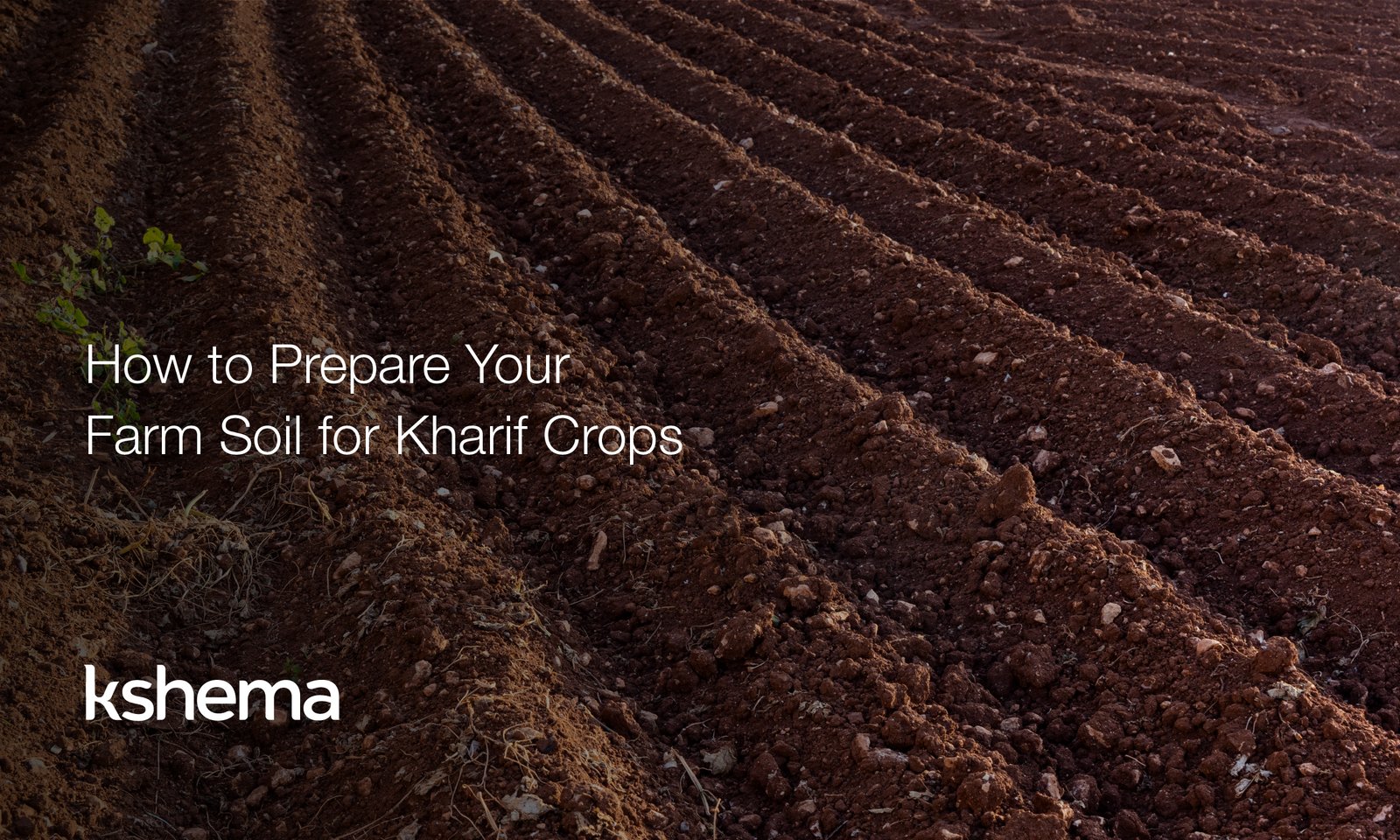
Proper soil preparation is the foundation of a successful Kharif season. Healthy soil ensures better crop growth, improved nutrient absorption, and higher yields. In this guide, we share essential steps for preparing soil for Kharif crops, including ploughing, leveling, organic matter addition, and moisture management. These practices help farmers achieve sustainable productivity and reduce risks during the monsoon season.
- Buy in easy steps
- Premium Starts at INR 499
- Protect 100+ Crops
- Quick & Easy Claims

Snippet Answers
1. Understand Your Soil Type and Its Needs
- Conduct a Soil Test: Start with a comprehensive soil test to assess pH levels, organic carbon content, and available macro and micronutrients like nitrogen, phosphorus, potassium, zinc, and boron.
- Identify Deficiencies: Based on the test results, identify which nutrients are lacking. This will help you use the right kind of fertilisers later on.
- Know Your Soil Type: Sandy soil, loamy soil, clayey soil—each has different water retention capacities. Loamy soil is generally best suited for kharif crops, but each soil type can be improved with appropriate amendments.
2. Best Kharif Crop Seeds for Your Region
- Paddy requires standing water and is ideal in regions with heavy rainfall.
- Cotton prefers well-drained black soil with moderate rainfall.
- Maize and millets are more drought-tolerant and suitable for drier zones.
3. Clear Crop Residues and Weeds
- Remove leftover stubble from the previous season to prevent pests and diseases.
- Clear out weeds, as they compete with your crop for nutrients and water.
- Avoid burning residues, as it destroys beneficial microorganisms and organic matter. Instead, consider mulching or incorporating biomass into the soil.
4. Soil Preparation for Kharif Crops: Key Steps
- First Ploughing (Summer Ploughing): This is done at the end of summer to expose the soil to the sun, killing pests, weed seeds, and pathogens.
- Second Ploughing (Pre-monsoon): Just before sowing, shallow ploughing or harrowing is done to break clods and level the land.
- Avoid Excess Tillage: Over-tilling can lead to soil erosion and loss of organic matter. Choose the right equipment and technique depending on your crop and soil type.
5. Use Organic Manure or Compost
- Use well-decomposed FYM (Farmyard Manure) or compost to improve soil texture, increase water retention, and add microbes.
- Incorporate green manure crops like sunhemp or dhaincha a few weeks before sowing. These enrich the soil with nitrogen and organic matter.
6. Level Your Land
- Laser levelling or traditional land levelling techniques ensure efficient use of water and fertilisers.
- For paddy, create bunds and channels to retain water. For upland crops, ensure a gentle slope to allow excess water to drain off during heavy rains.
7. Use Soil Conditioners and Amendments
- Lime can be applied to acidic soils to adjust pH.
- Gypsum helps improve the structure of sodic or alkaline soils.
- Bio-fertiliserslike Azospirillum or Rhizobium can be introduced to enhance soil fertility and fix atmospheric nitrogen naturally.
8. Ensure Proper Drainage
- Damage roots
- Invite fungal infections
- Affect nutrient uptake
- Create furrows or drainage channels around your fields.
- In low-lying areas, consider raised beds or ridge-and-furrow methods for crops like maize or pulses.
9. Timing Is Crucial
- Too early: Seeds may rot due to waterlogging.
- Too late: You miss the peak rainfall window, reducing yields.
10. Protect Your Investment with Crop Insurance
Even with the best preparation, farming during the kharif season carries risks—unseasonal, too much or too little rains, earthquakes, animal attacks, and more.
That’s why it’s important to protect your efforts with Kshema’s crop insurance policies. Our policies provide financial protection against a wide range of natural perils, allowing you to choose between comprehensive or affordable and customisable cover—helping you recover faster and invest in the next season with confidence.
Learn how to use the kshema app for crop insurance to protect your crops this season.
Final Thoughts
Preparing your soil well is the first and most crucial step towards a successful kharif harvest. Healthy, nutrient-rich, well-drained soil gives your crops the best possible start—and helps you make the most of the monsoon.
As you gear up for the season, remember: the key to a good yield is not just in the skies above, but also in the ground beneath.
Get your farm ready, choose the right kharif crops, and ensure protection with Kshema’s crop insurance policies.
Quick Summary:
- Soil prep: Test pH, clear weeds, deep ploughing
- Best crops: Paddy, maize, cotton, pulses
- Practices: Mulching, bund repair, seed selection
- Season: June to October (monsoon)
- Tools: Kshema App for crop insurance and planning
FAQs About Kharif Crops and Soil Preparation
1. How should soil be prepared for Kharif crops?
Plough the field, add organic manure, level the soil, and ensure proper drainage before sowing.
2. Which nutrients are essential for Kharif crops?
Nitrogen, phosphorus, and potassium are key nutrients for healthy Kharif crop growth.
3. When should soil preparation start for Kharif crops?
Soil preparation should begin in late May or early June before the onset of monsoon.