
Kharif and Rabi crops are two main crop seasons in India.
Kharif crops are grown during the monsoon season (June–October), while Rabi crops are grown in the winter season (October–March). They differ in sowing time, harvesting period, water needs, and crop types.
- Buy in easy steps
- Premium Starts at INR 499
- Protect 100+ Crops
- Quick & Easy Claims
Kharif vs Rabi Crops at a Glance (2026)
| Aspect | Kharif Crops | Rabi Crops |
| Sowing Time | June – July | October – December |
| Harvesting Time | September – October | March – April |
| Water Needs | High (rain-fed) | Moderate to low (irrigated) |
| Climatic Preference | Warm, humid | Cool, dry |
| Examples | Rice, maize, cotton | Wheat, mustard, gram |
| Storage Needs | Drying is essential | Less moisture risk |
| Insurance Focus | Monsoon-related risks | Cold/dry weather-related risks |
See how PMFBY crop insurance works for Kharif and Rabi seasons and when claims can be filed.
Quick Summary (Farmer‑Friendly):
Kharif vs Rabi Crops
- Kharif crops grow during the monsoon season (June–October).
- Rabi crops grow during the winter season (October–April).
- Kharif crops need more rainfall; Rabi crops need cooler, dry weather.
- Crop risks and insurance timelines differ for both seasons.
Why Understanding This Difference Matters for Farmers
- Helps choose the right crops for the season
- Reduces weather‑related losses
- Improves crop insurance planning
- Supports better income stability
Rabi Crops: Which Season Do They Grow In?
Kharif and Rabi Season Months in India (Sowing & Harvesting)
| Season | Typical sowing months | Typical harvest months |
|---|---|---|
| Kharif | Jun–Jul | Sep–Oct |
| Rabi | Oct–Nov/Dec | Mar–Apr |
Note: months can vary slightly by crop and region.
What Are Kharif and Rabi Crops? Meaning Explained
Kharif Crops Examples (Farmer List)
Paddy (rice), maize, cotton, millets (bajra/jowar), groundnut, soybean, tur (arhar), urad, moong, sugarcane.Rabi Crops Examples (Farmer List)
Wheat, barley, mustard, peas, gram (chickpea), lentil (masoor), oats, and region-specific vegetables in some areas.
What Are Kharif and Rabi Crops in India? (Farmer Explanation)
Kharif and Rabi refer to India’s two main cropping seasons. Kharif crops are usually grown with the arrival of the monsoon, while Rabi crops are grown after the monsoon in winter. Understanding these seasons helps farmers plan sowing, irrigation, harvest, storage and crop protection.
Understanding the farming season in India helps farmers plan better and choose suitable crops for their region.
Kharif is also commonly called “Kharif fasal”
Kharif crops: season months, sowing and harvesting time
- Sowing Time: With the arrival of the southwest monsoon, typically June-July
- Harvesting Time: September to October
- Examples: Paddy (rice), maize, cotton, millets, groundnut, soybean, and pulses like urad and moong
Rabi season months: sowing and harvesting time (India)
- Sowing Time: After the monsoon ends, generally from October to December
- Harvesting Time: March to April
- Examples: Wheat, barley, mustard, peas, chickpeas (gram), oats, etc.
Both seasons play a vital role in ensuring food security in India and supporting the livelihoods of millions of farmers.
Difference between Kharif and Rabi crops
The biggest difference between Kharif and Rabi crops lies in their relationship with rainfall and temperature.
1. Climate Required: Kharif and Rabi crops
Kharif Crops:
- Thrive on monsoon rainfall
- Require warm and humid weather
- Susceptible to both too much and too little rain
- Irrigation is often unnecessary where rainfall is adequate
Rabi Crops
- Grow in cooler, drier climates
- Depend more on irrigation systems
- Cannot tolerate heavy rain during flowering or maturity
- Need clear, sunny weather for best results
Farmers must time their sowing and harvesting carefully based on the rainfall patterns and temperature conditions of their specific region
2. Water requirements for Kharif and Rabi crops
Kharif crops
Since they grow during the monsoon, they require more water, either from natural rainfall or supplementary irrigation in low-rainfall areas.
Rabi crops
Need less water compared to Kharif crops. Over-irrigation can harm them, especially during germination and flowering.
That’s why farmers are advised to use water-efficient irrigation techniques such as drip or sprinkler systems for Rabi crops.
3. Soil Preparation Tips for Crop Seasons
Soil type and preparation methods also vary for the two cropping seasons.
For Kharif crops:
- Soil should be well-drained to avoid waterlogging
- Organic matter retention is crucial
- Fertiliser use depends on rainwater leaching—excessive rain can wash away nutrients
For Rabi crops:
- Soil should have good moisture retention
- Often grown in loamy or clayey soils
- Fertiliser application can be more controlled and effective due to stable weather
Understanding these differences helps farmers make better decisions about crop rotation and land preparation.
4. Common Pests in Farming Seasons
Kharif and Rabi crops face different pest threats and knowing them can help farmers take preventive measures.
Kharif crops are vulnerable to pests like stem borers, armyworms, and aphids, particularly due to the high humidity. Common issues include:
- Stem borers in paddy
- Leaf spot diseases in groundnut
- Root rot and wilting in cotton
Rabi crops face threats from aphids, pod borers, and fungal diseases, especially when winter is prolonged. Common issues include:
- Aphid attacks in mustard and wheat
- Pod borers in gram
- Rust and powdery mildew in wheat
Proper timing of sowing, seed treatment, and crop rotation are effective strategies to prevent such issues.
5. Market Trends for Kharif and Rabi Crops
Market prices vary significantly between Kharif and Rabi crops, influenced by supply-demand patterns, seasonal availability, and procurement policies.
- Kharif crops often face price fluctuations due to oversupply or poor post-harvest storage conditions during monsoons.
- Rabi crops such as wheat and mustard typically receive strong government procurement support and may offer better price stability.
Staggered sowing and diversification can help farmers spread risk and take advantage of changing market dynamics.
6. Post-Harvest Tips for Kharif and Rabi Crops
Proper storage is critical to avoid post-harvest losses—especially since Kharif crops are harvested during or after the rainy season, making them more prone to moisture-related damages.
- Kharif produce must be dried thoroughly before storage to avoid fungal growth.
- Rabi harvests enjoy drier weather, making storage easier, though care must still be taken to avoid pest infestations.
In both cases, timely harvesting and investment in proper warehousing or local storage facilities can make a big difference in quality and returns.
7. Crop Insurance for Farming Seasons
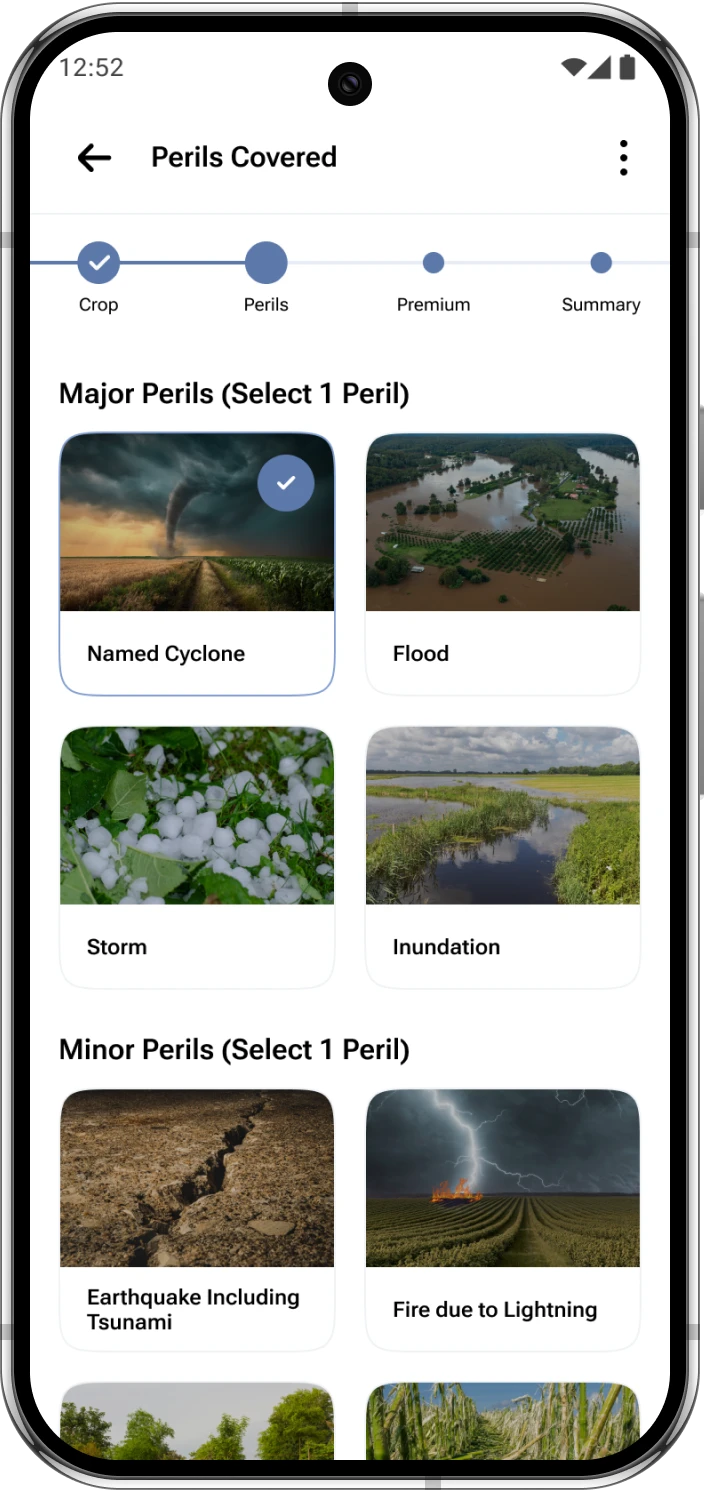
Both Kharif and Rabi crops are prone to different perils. Understanding these risks allows farmers to choose the right crop insurance cover.
At Kshema General Insurance, we offer flexible and season-specific crop insurance policies like Kshema Sukriti, which allow farmers to:
- Choose the perils most relevant to their region and season
- Get covered for more than 100 crops
- Protect against risks like hailstorms, earthquakes, and more
- Pay only for the protection they need
For instance, a farmer growing paddy in the kharif season may want protection from flooding or inundation, while a wheat farmer in rabi may prefer coverage against hailstorm during harvest.
Customising your insurance according to the season, crop, and risk level is key to safeguarding your livelihood.
Trusted References:
- According to the Ministry of Agriculture & Farmers Welfare, Government of India (https://agricoop.gov.in/), Kharif crops are grown during the monsoon season, while Rabi crops are grown in the winter season in India.
- The Pradhan Mantri Fasal Bima Yojana (PMFBY) official portal (https://pmfby.gov.in) provides complete details on seasonal crop insurance coverage for both Kharif and Rabi crops in India.
FAQs About Kharif and Rabi Crops
1. What are Kharif crops?
Kharif crops are grown during the monsoon season, usually from June to October. They need warm, humid weather and adequate rainfall.
2. What are Rabi crops?
Rabi crops are grown in winter, sown from October to December and harvested from March to April.
3. Give examples of Kharif crops?
Rice, maize, cotton, millets, groundnut, soybean, tur, urad and moong.
4. Give examples of Rabi crops?
Wheat, barley, mustard, peas, gram, lentil and winter vegetables.
5. Wheat is Rabi or Kharif?
Wheat is a Rabi crop grown in winter.
6. Rice is Rabi or Kharif?
Rice is mainly a Kharif crop grown during monsoon.
7. Why is crop season important for insurance?
Because each season has different risks—monsoon flooding in Kharif and hail/pest attacks in Rabi—insurance protects farmers from major losses.
8. What is the main difference between Kharif and Rabi crops?
Their sowing seasons, climate needs and water requirements differ. Kharif depends on monsoon rainfall; Rabi relies on winter irrigation.