

Crop insurance in India covers crop losses caused by natural disasters, pests, diseases, drought, flood and hailstorms. It protects farmers’ income for both Kharif and Rabi seasons under schemes like PMFBY.
Key Takeaways
• Covers natural calamities and pest damage
• Protects Kharif and Rabi crops
• Ensures farmer income stability
- Buy in easy steps
- Premium Starts at INR 499
- Protect 100+ Crops
- Quick & Easy Claims
Introduction:
Crop insurance coverage protects farmers when crops fail due to natural disasters, pests, diseases or animal attacks. For many Indian farmers, a single crop loss can cause severe financial pressure, so understanding exactly what crop insurance covers and what it does not is essential. This blog explains crop insurance coverage in simple terms—what risks are covered, what crops are included, what is excluded and how the claim process works—so farmers can choose the right protection and avoid confusion during claims.
What Does Crop Insurance Actually Cover?
Crop insurance covers losses caused by risks that farmers cannot control such as drought, flood, unseasonal rain, storms, hailstorms, pest attacks and diseases. Depending on the insurer, it may also cover wild animal damage. This financial support helps farmers recover quickly and continue farming the next season.
What Is Crop Insurance in Simple Words?
Crop insurance is protection for farmers if their crop is damaged due to unexpected events. The farmer pays a small premium, and if a covered risk damages the crop, the insurance company pays compensation. This prevents farmers from losing their entire income for the season.
Which Crops Are Covered Under Crop Insurance?
Most crop insurance plans cover major crops grown in India such as rice, wheat, maize, pulses, oilseeds, millets and commercial crops like cotton and sugarcane. Coverage depends on the insurer and the notified crop area. Farmers should always check which crops are eligible in their region.
The Challenges Faced by Small and Marginal Farmers
Small and marginal farmers in India face a range of challenges that threaten their livelihoods:
- Unpredictable Weather: With climate change, events such as cyclones, floods, hailstorms, unseasonal rainfall etc. have become more frequent and severe.
- Pests and Diseases: Crops are susceptible to pest infestations and diseases, which can destroy entire crops.
- Rising Input Costs: Seeds, fertilisers, and pesticides have become costlier, increasing production expenses for farmers.
- Market Instability: Farmers are often forced to sell their produce at lower prices due to market fluctuations and lack of bargaining power.
- Debt Traps: Without adequate financial security, farmers are compelled to take loans, often at high interest rates, leading to debt cycles.
These challenges highlight the critical need for safeguards like crop insurance to protect small farmers from financial ruin. By paying a nominal premium, farmers can ensure that they receive their claims in the event of a crop failure.
Why Crop Insurance Coverage in India is Essential for Small and Marginal Farmers
1. Protection Against Uncertainties
Farmers are at the mercy of nature, more so in a country like India, and adverse weather can wipe out their crops. Crop insurance in India provides financial support during such losses, ensuring that farmers can recover and prepare for the next sowing season.
2. Financial Stability
A single crop failure can push small and marginal farmers into debt or force them to sell their assets. Crop insurance in india offers protection, enabling them to sustain their livelihoods without resorting to desperate measures.
3. Mitigating Debt Dependency
Many small farmers rely on informal credit sources that charge exorbitant interest rates. Crop insurance reduces this dependency by creating a financial safety net with the money received as part of the claim settlement process providing aid during distress.
4. Long-Term Sustainability
Crop insurance also incentivises farmers to adopt and invest in modern, and sustainable farming practices by taking away the fear of financial loss, reducing risks in the long run.
Benefits of Crop Insurance in India for Small and Marginal Farmers
- Comprehensive Coverage: Crop insurance coverage in India covers losses due to natural calamities, and even wild animal attacks.
- Affordable Premiums: Crop insurance products like Kshema Sukriti make crop insurance affordable even for marginal farmers.
- Protection from Income Shocks: Settlement of insurance claims safeguards the financial interest of the farmers by ensuring they have access to resources to continue farming.
- Empowerment: Crop insurance coverage in India instills confidence in farmers, empowering them to focus on improving productivity rather than worrying about risks.
- Boosts Rural Economy: When farmers are financially secure, they can contribute to the rural economy by investing in inputs, machinery, and labour.
What Is Not Covered Under Crop Insurance?
Crop insurance does not cover losses due to poor quality seeds, wrong farming practices, late reporting of loss, damage after the allowed post harvest period, or price fluctuations in the market. Farmers should understand exclusions to avoid confusion during claims.
How Does Crop Insurance Work for Farmers?
Farmers pay a small premium during the season. If their crops are damaged by a covered risk, they report the loss. The insurer verifies damage through field checks, photographs, or satellite assessment. Once confirmed, compensation is credited directly to the farmer’s bank account.
How Crop Insurance Schemes Work in India
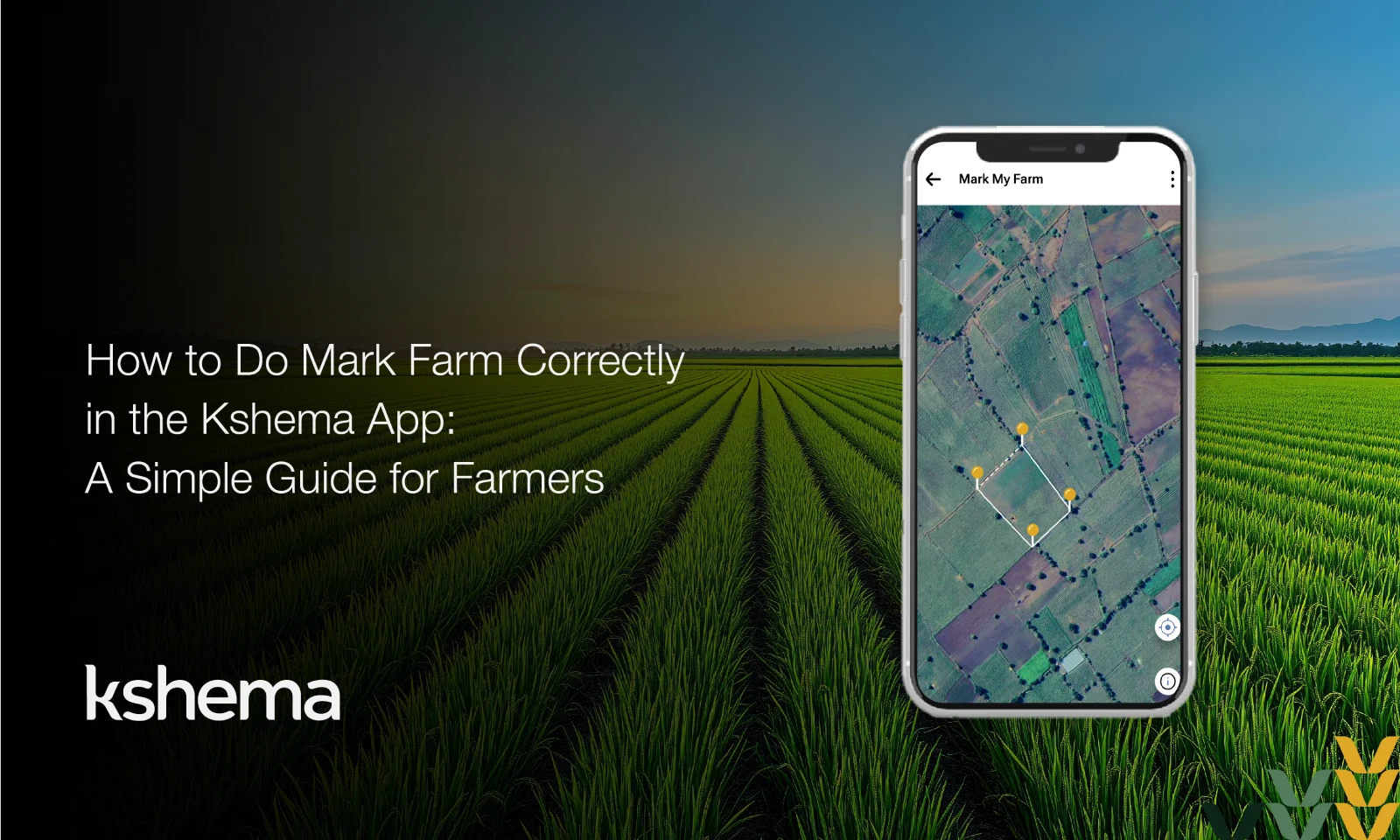
- Enrollment: Farmers can enroll in crop insurance schemes in India through banks, insurance companies, Common Service Centers (CSCs) or mobile apps. They must provide details about their land, crops, Aadhaar, etc.
- Premium Payment: Farmers pay a small premium against a sum insured for their insured crop.
- Loss Reporting: In the event of crop loss, farmers report the damage to their insurance provider or local authorities. They can upload photos and/or videos of the crop damage to report loss.
- Claim Settlement: After verification, the insurer processes the claim and disburses the settlement to the farmer.
For detailed, official information on enrollment procedures, covered risks, technology integration, and claim processes, visit the Pradhan Mantri Fasal Bima Yojana (PMFBY) page by the Ministry of Agriculture & Farmers Welfare.
Coverage for Wild Animal Attacks
In several regions, farmers lose crops due to elephants, wild boars, monkeys and other animals. Some insurers, including Kshema, offer protection for animal related crop damage, giving farmers additional security against such losses.
Role of Kshema General Insurance in Safeguarding the Small and Marginal Farmers
Our Key Offerings Include:
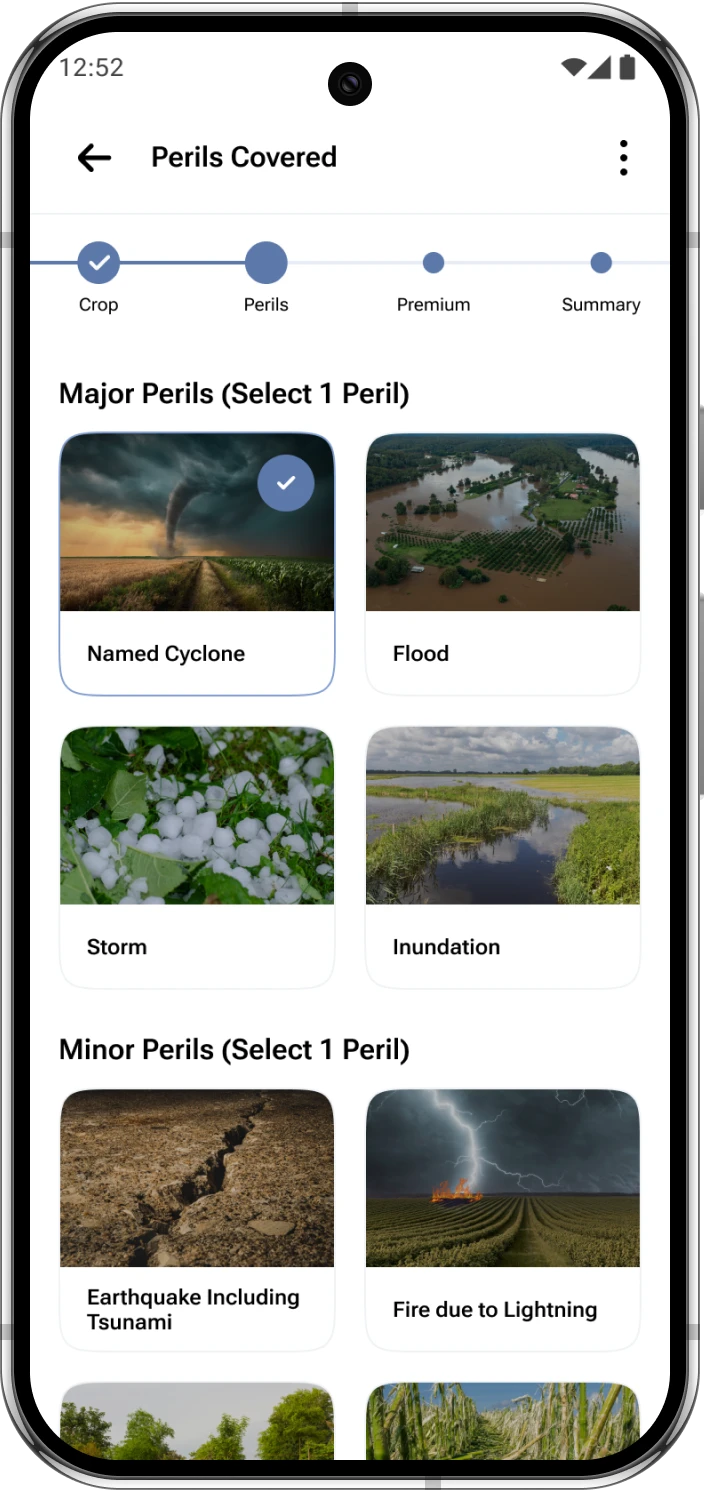
- Comprehensive or customisable protection against losses caused by 8 perils.
- Coverage for damage caused by wild animals like elephants, wild boars, monkeys, and rabbits.
- Simplified enrollment and claims processes using the Kshema app to ensure ease of access for farmers.
Conclusion
Crop insurance is a safety shield for farmers facing weather risks, pest attacks and sudden crop loss. Understanding what is covered, what is not covered and how claims work helps farmers make confident decisions. Kshema General Insurance provides simple, flexible crop insurance options with fast claim support through the Kshema App. If you want to secure your crop and income for the next season, explore your options on the Kshema App today.
Trusted References
- The Pradhan Mantri Fasal Bima Yojana (PMFBY) portal provides official crop insurance coverage details. Official PMFBY Portal
- The Ministry of Agriculture & Farmers Welfare oversees crop insurance implementation in India. Official Agriculture Source
Frequently Asked Questions (FAQs)
1.What does crop insurance cover?
Crop insurance covers losses from natural disasters, pests and diseases.
2. Does crop insurance cover both seasons?
Yes, it covers both Kharif and Rabi crops.
3. Which scheme provides crop insurance in India?
PMFBY is India’s official crop insurance scheme.
4. Can farmers choose sums insured?
Yes, within policy limits and based on notified crop and area.
5. Why is crop insurance important?
It protects farmers from financial loss due to crop failure.