
Key Takeaways: Rabi MSP vs Market Price
- MSP (Minimum Support Price) is a government-fixed rate ensuring farmers earn a minimum return.
- Market Price fluctuates based on demand, supply, and local conditions.
- MSP provides stability and risk protection; market price offers profit opportunities but with volatility.
- Check official MSP rates for Rabi crops on https://pib.gov.inPress Information Bureau.
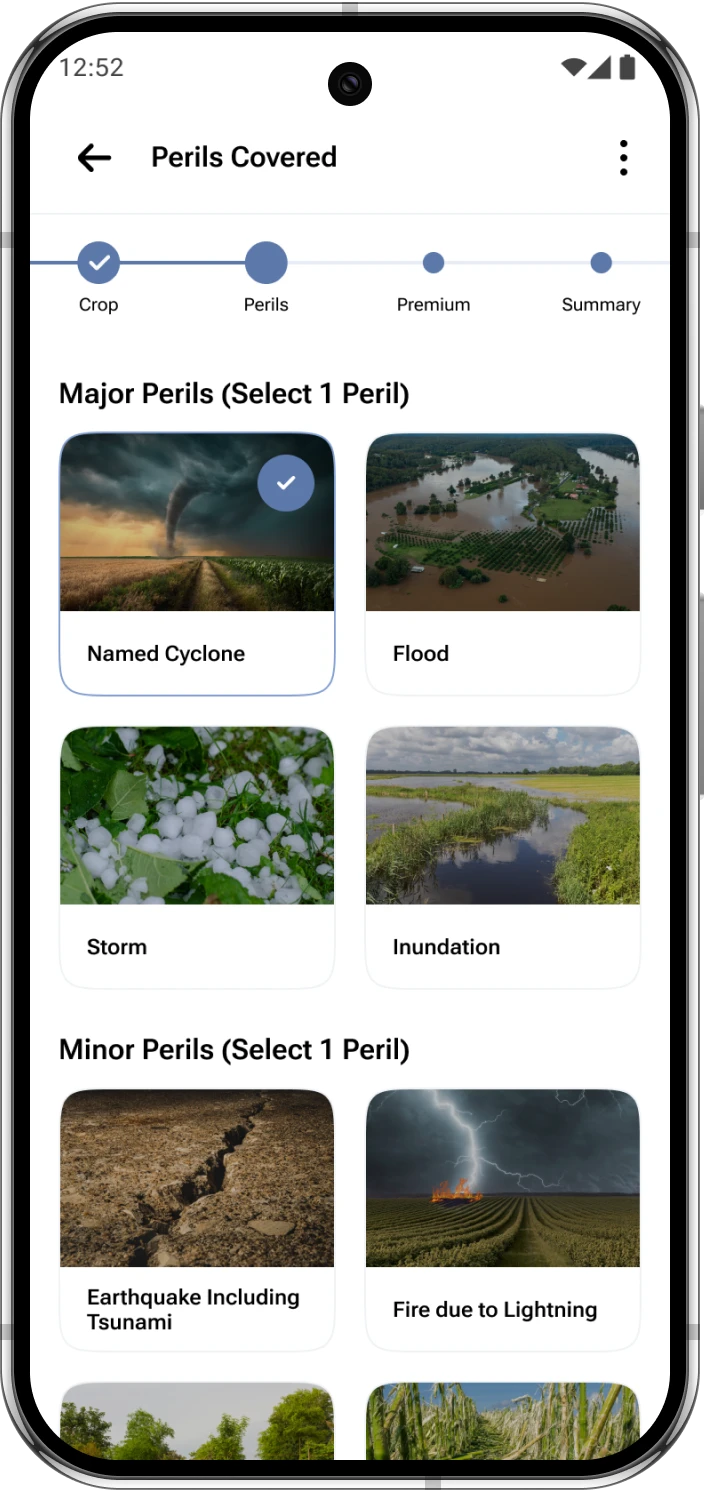
- Buy in easy steps
- Premium Starts at INR 499
- Protect 100+ Crops
- Quick & Easy Claims
Introduction
Rabi MSP (Minimum Support Price) is the government-fixed rate for crops like wheat, barley, and mustard, ensuring farmers earn a minimum return regardless of market fluctuations. In contrast, market price changes daily based on demand and supply. This guide explains the key differences between MSP and market price, why MSP matters for farmers, and how to make informed selling decisions during the Rabi season.
India is primarily an agrarian country with more than half of its population engaged in agriculture and allied activities. Among the many challenges that farmers face, one of the most pressing is the difference between the Minimum Support Price (MSP) and the market price. For those engaged in rabi cultivation, understanding rabi MSP is crucial to making informed decisions about sowing, selling, and sustaining livelihoods. This blog explores the nuances of rabi MSP, compares it with market prices, and explains what every farmer should know to thrive in an agricultural landscape which is increasingly impacted by rising population, climate change, environmental degradation.
What is Rabi MSP and Why Does it Matter?
The MSP is a government-declared rate at which crops are purchased directly from farmers, ensuring they receive a fair return regardless of market fluctuations. For rabi crops, the rabi MSP acts as a safety net, protecting farmers from distress sales when market prices fall below production costs.
The crops list to be part of the MSP is updated annually by the government, covering both kharif and rabi crops. This list is vital because it tells farmers which crops are eligible for MSP procurement. For example, wheat, barley, gram, lentils, and mustard are prominent entries in the MSP crops list during the rabi season.
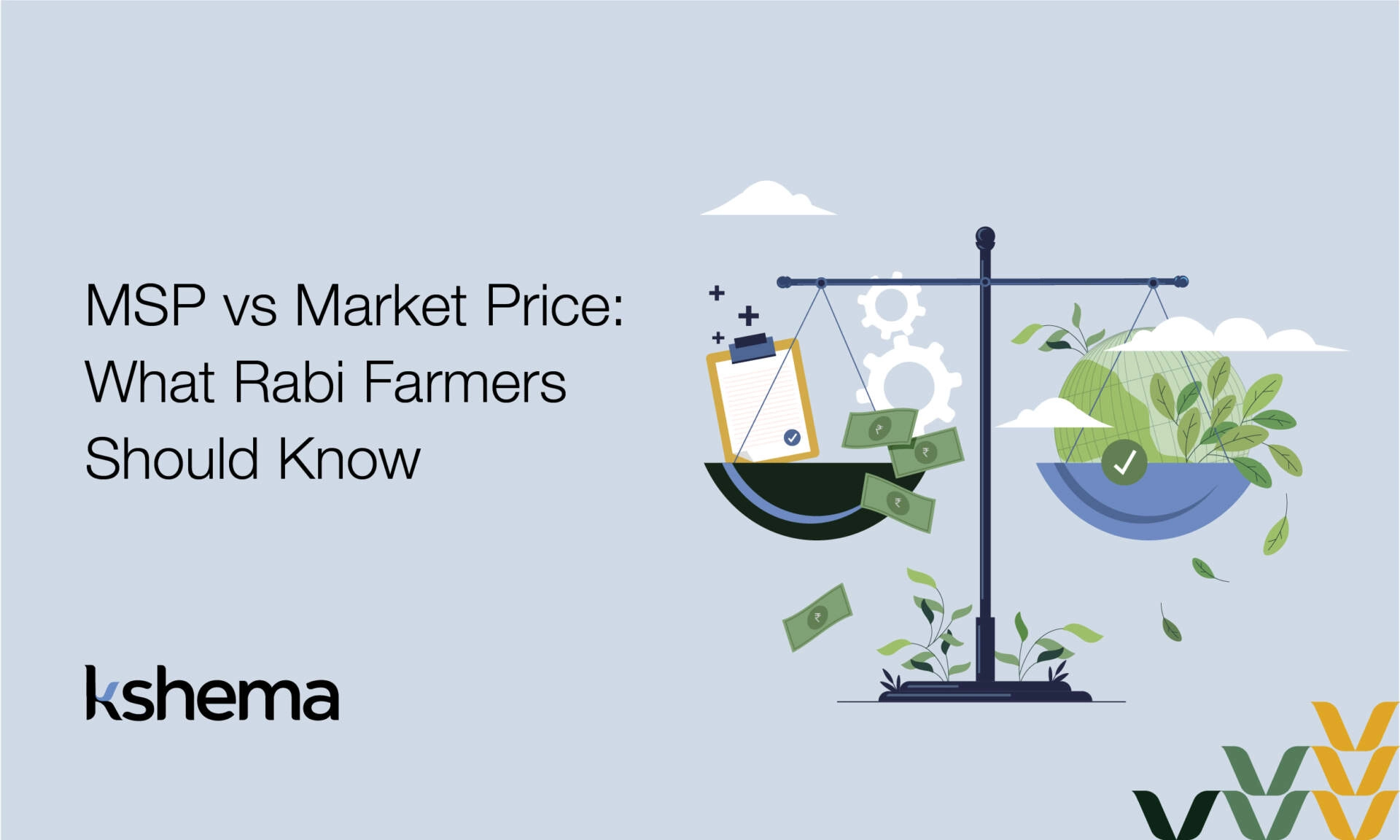
Rabi MSP vs Market Price: The Core Difference
The distinction between rabi MSP and market price lies in their purpose and determination:
- Rabi MSP: Fixed by the government based on recommendations from the Commission for Agricultural Costs and Prices (CACP). It considers input costs, demand, and a margin for farmers’ profit.
- Market Price: Determined by supply and demand in local mandis, influenced by weather, transport, middlemen, and international trade.
While rabi MSP provides stability, market prices often fluctuate. Farmers may find themselves in situations where the market price is higher than MSP, encouraging them to sell in open markets. Conversely, when market prices dip, MSP procurement becomes a lifeline.
Explore: Best Rabi Crops 2025
Why Rabi MSP is Important for Farmers
For rabi farmers, the rabi MSP is more than just a number—it is a guarantee of survival. Here’s why:
- Risk Mitigation: Weather uncertainties and rising input costs make farming risky. MSP cushions farmers against losses.
- Income Security: With rabi MSP, farmers can plan their finances better, knowing they will not be forced to sell at prices lower than their input cost.
- Encouragement to Grow Staple Crops: The MSP crops list incentivises farmers to cultivate essential crops like wheat and pulses, ensuring food security for the nation.
Learn More: Rabi Season Crop Insurance Benefits
Challenges in MSP Implementation
Despite its importance, rabi MSP faces several challenges:
- Limited Procurement: Not all crops in the MSP crops list are procured in large quantities. Wheat and rice dominate, while pulses and oilseeds often see limited government buying.
- Regional Disparities: Farmers in states with strong procurement infrastructure benefit more than those in regions with weak systems.
- Awareness Issues: Many farmers are unaware of the exact rabi MSP rates or how to access procurement centres.
These challenges often push farmers to rely on market prices, even when MSP is available.
Market Price: Opportunities and Risks
Selling at market price can sometimes be more profitable than relying on rabi MSP. For instance, if demand for mustard oil rises, mustard seeds may fetch higher rates in local mandis compared to MSP. However, this comes with risks:
- Price Volatility: Sudden drops in demand can leave farmers stranded.
- Middlemen Exploitation: Farmers often receive less than the quoted market price due to commissions and deductions.
- Transport Costs: Reaching distant markets can erode profits.
Thus, while market prices can offer opportunities, they lack the stability of rabi MSP.
Read Next: Sustainable Agriculture Rabi Season Tips
Comparing Rabi MSP and Market Price
Let’s break down the comparison:
- Predictability: Rabi MSP is announced before sowing, giving farmers clarity. Market prices are unpredictable.
- Accessibility: MSP requires government procurement centres, while market prices are accessible in local mandis.
- Profit Potential: Market prices can exceed MSP during high demand, but they can also crash. MSP ensures a minimum return.
For farmers, the choice often depends on local conditions, crop type, and government support.
The Role of MSP Crops List
The MSP crops list plays a pivotal role in guiding farmers’ decisions. By checking which crops are included, farmers can align their sowing strategies with government support. For example:
- Wheat and barley are consistently supported under rabi MSP.
- Pulses like gram and lentils are included but may face procurement challenges.
- Oilseeds such as mustard are part of the MSP crops list, encouraging diversification.
Understanding the MSP crops list helps farmers balance risk and opportunity.
Policy and Farmer Awareness
Government policies around rabi MSP are designed to ensure food security and farmer welfare. However, awareness campaigns are equally important. Farmers must be informed about:
- Current rabi MSP rates.
- Locations of procurement centres.
- Documentation required for selling under MSP.
Without awareness, even the best policies fail to reach the grassroots.
What Farmers Should Do
For rabi farmers navigating the MSP vs market price dilemma, here are practical steps:
- Stay Updated: Know the latest rabi MSP rates and the MSP crops list.
- Evaluate Local Demand: Compare MSP with prevailing market prices before selling.
- Diversify Crops: Grow a mix of MSP-supported crops and high-demand market crops.
- Use Cooperatives: Join farmer cooperatives to access better procurement and bargaining power.
By combining MSP security with market opportunities, farmers can maximise returns.
Check official MSP rates for rabi crops here: Press Information Bureau MSP Notification
Conclusion
Frequently Asked Questions
1. What is rabi MSP?
Rabi MSP (Minimum Support Price) is the guaranteed price the government pays farmers for selected rabi crops like wheat, barley, gram, lentil, and mustard. It’s set before sowing to ensure farmers receive at least a minimum return over their cost of production.
2. How is rabi MSP different from market price?
3. When should rabi farmers sell at MSP vs in the market?
4. Which rabi crops had the biggest MSP increase for 2025–26?
Rapeseed & mustard saw the highest increase (+₹300/q), followed by lentil (+₹275/q). Wheat, gram, safflower, and barley also rose, supporting diversification beyond rice and wheat.