
Introduction
Rabi crops rely on cool weather, light irrigation and stable winter temperatures. But today’s changing climate brings unexpected frost, unseasonal rain and sudden weather swings that put farmers’ income at risk. This blog explains how climate risks affect Rabi crops, why Rabi crops insurance is now essential, and how the right coverage can protect farmers from financial losses during the 2026 season.
- Buy in easy steps
- Premium Starts at INR 499
- Protect 100+ Crops
- Quick & Easy Claims
What Are Rabi Crops and Why Are They at Risk?
Rabi crops such as wheat, barley and mustard grow best in cool and dry winter weather. They depend on predictable temperatures and light irrigation. Even minor weather changes such as frost or unexpected rainfall can disrupt growth stages and reduce yield. This makes Rabi crops more vulnerable today than ever before.
Understanding Rabi Crops
The best Rabi crops are sown in winter and harvested in spring. Crops like wheat, barley and mustard need cool temperatures and minimal rainfall to grow well. Traditionally, Rabi crops have been considered more resilient than their Kharif counterparts due to their reliance on smart irrigation rather than monsoon rains. However, this resilience is now being tested.
How Climate Change Impacts Rabi Crops in India
Climate change disrupts the predictable conditions Rabi crops rely on.
- Unseasonal rainfall during the flowering or harvesting stage can damage crops and reduce yields.
- Warmer winters can affect germination and growth, particularly crops like wheat that require a cold spell.
- Hailstorms or frost, though less frequent, can still cause significant damage when they occur unexpectedly.
These changes not only reduce productivity but also increase uncertainty for farmers, making it harder to plan and invest in future crops.
Common Weather Problems Farmers Face
Farmers often report crop damage due to fog, cold waves, hailstorms and sudden winter rain. These events harm flowering and grain formation stages, leading to major yield losses. Understanding these risks helps farmers plan better.
What Are the Best Rabi Crop Insurance Options for Rabi Farmers?
Given the growing risks, crop insurance is no longer a luxury—it’s a necessity. Insurance provides a safety net that helps farmers recover from losses due to natural disasters. For Rabi crops, which are increasingly exposed to climate volatility, peril based crop insurance can mean the difference between survival and financial ruin.
Looking for affordable crop insurance? Explore Kshema’s plans.
Why Rabi Crop Insurance Matters in 2026
With rising climate volatility, crop insurance has become essential for Rabi farmers. Insurance protects investment in seeds, fertilisers, irrigation and labour. It also helps farmers recover quickly after weather related crop damage, ensuring stable income even in a difficult season.
Key Benefits of Rabi Crop Insurance for Farmers
- Risk Mitigation: Insurance cushions farmers against the financial impact of crop failure due to climate-related events.
- Encourages Investment: With insurance in place, farmers are more likely to invest in better seeds, fertilizers, and technology.
- Promotes Stability: Insurance helps maintain income stability, which is crucial for small and marginal farmers.
- Supports Food Security: By protecting Rabi crops, insurance contributes to national food security, especially staple crops like wheat and barley.
Challenges Farmers Face in Insurance Adoption
Despite its importance, crop insurance is still underutilised in many regions. Several barriers hinder widespread adoption:
- Lack of Awareness: Many farmers may be unaware of the options available or may lack guidance on purchasing or customizing their policies.
- Complex Procedures: The process of claiming insurance can be cumbersome and time-consuming.
- Inadequate Coverage: Some policies may not fully cover the losses incurred, especially in cases of extreme climate events.
To address these issues, governments and insurance providers must work together to simplify procedures, increase outreach, and tailor policies to the specific needs of Rabi crop farmers.
Best Insurance Options for Rabi Crops
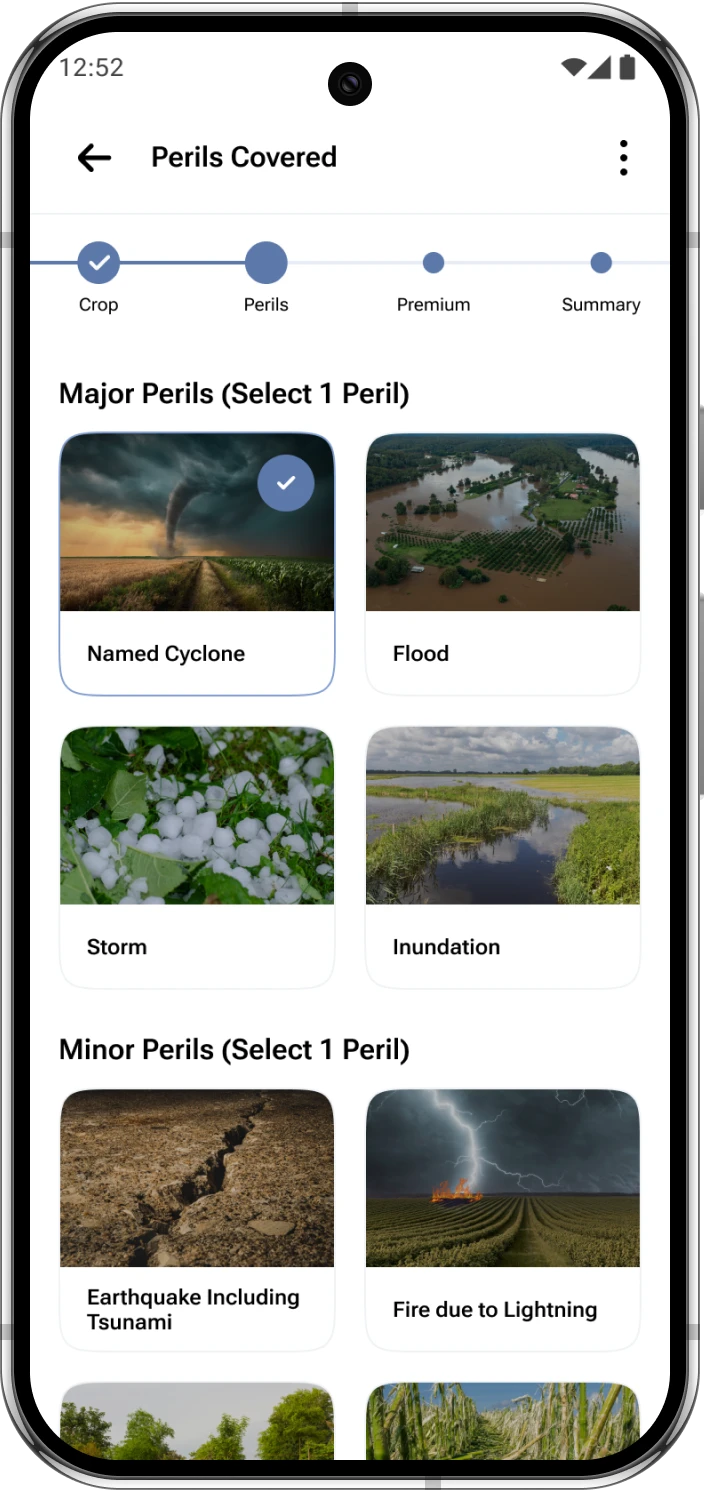
Farmers can choose government supported schemes or flexible private insurance plans that cover frost, rainfall damage, cold waves and temperature stress. Kshema’s seasonal covers allow farmers to choose risk based protection suitable for their region and crop type.
How Technology Improves Crop Insurance
Technology can play a transformative role in making crop insurance more accessible and effective. Satellite imagery, weather forecasting, and mobile apps can help:
- Monitor crop health and predict potential risks.
- Streamline claim processes through digital documentation and quick claim assessment.
- Provide real-time updates to farmers about weather conditions and insurance status.
By integrating technology into insurance schemes, stakeholders can ensure that farmers receive timely support and accurate compensation.
Policy Support and Government Initiatives
Governments have a critical role to play in promoting crop insurance, especially for Rabi crops affected by climate change. Initiatives like the Pradhan Mantri Fasal Bima Yojana (PMFBY) in India aim to provide affordable crop insurance to farmers. However, the success of such programs depends on effective implementation, transparency, and farmer engagement.
Policymakers must also consider revising insurance models to reflect the changing climate. For example, coverage should account for unseasonal rainfall, temperature anomalies, and other emerging threats to Rabi crops.
Building Resilience Through Collaboration
The challenges posed by climate change to best Rabi crops require collaborative efforts across sectors—agriculture, insurance, technology, and policy. Agritech companies can offer precision tools to monitor crop health; insurers can design flexible products tailored to seasonal risks, and governments can ensure that schemes are inclusive and accessible.
By working together, we can build a more resilient agricultural ecosystem where farmers are supported not just in times of crisis, but throughout their journey. This holistic approach is key to safeguarding the future of Rabi crops and ensuring that farming remains a viable and sustainable livelihood.
At Kshema, we believe that resilience begins with preparedness. As climate change continues to challenge traditional farming cycles, we are committed to supporting farmers with affordable and customizable crop insurance solutions. Our goal is to empower agricultural communities to thrive despite uncertainty—ensuring financial resilience for the farming community.
Conclusion
Climate change has made Rabi farming unpredictable, with frost, rain and temperature shocks affecting crop health and yield. Rabi crops insurance gives farmers the financial protection they need during weather related damage. Kshema’s flexible and transparent insurance plans help farmers protect their fields, investments and income. This Rabi season, safeguard your hard work with the Kshema App and stay prepared for climate risks.
Explore Kshema’s customizable crop insurance plans for Rabi farmers. Learn more here.
Frequently Asked Questions About Rabi Crop Insurance for Farmers
1.How does climate change affect Rabi crops?
Unpredictable rainfall, frost and temperature spikes reduce Rabi crop yield and stability.
2. Why is Rabi crop insurance important?
It protects farmers from financial loss caused by sudden climate‑related crop damage.
3. What is the best crop insurance for Rabi farmers in India?
The Pradhan Mantri Fasal Bima Yojana (PMFBY) is a popular government scheme Policies offering climate‑risk coverage, quick claims and seasonal protection suit Rabi crops and Kshema also provides customizable crop insurance plans tailored to local risks and crop types.
4. How can farmers apply for Rabi crop insurance?
5. Does crop insurance improve farmer confidence?
Yes, insurance provides financial security, enabling better planning and safer investments.