

Introduction:
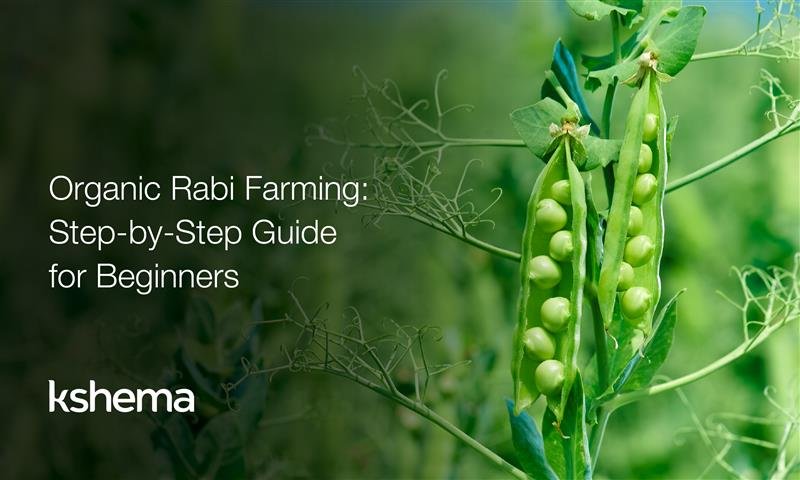
Organic Rabi farming is becoming essential for farmers looking to reduce input costs, improve soil health and grow chemical free crops during the winter season. As temperatures drop and rainfall becomes scarce, Rabi crops need careful soil preparation, organic inputs and efficient smart irrigation. This guide explains the key practices, suitable crops, major risks and income protection options that help farmers succeed with organic Rabi farming in 2026.
- Buy in easy steps
- Premium Starts at INR 499
- Protect 100+ Crops
- Quick & Easy Claims

Understanding Organic Rabi Farming
Organic rabi farming refers to cultivating crops during the rabi season (typically from October to December) using organic methods.
Common rabi crops include:
- Wheat
- Barley
- Mustard
- Peas
- Chickpeas
Step 1: Selecting Suitable Crops
- Wheat and barley are staple rabi crops in northern India.
- Mustard and chickpeas are popular in central and western regions.
- Peas and lentils are excellent options for small-scale farmers.
Step 2: Preparing the Soil Organically
- Compost and farmyard manure: These enrich the soil with organic matter.
- Green manure: Planting legumes before the rabi season helps fix nitrogen naturally.
- Bio-fertilisers: Microbial inoculants improve nutrient availability.
Step 3: Irrigation Management
- Use drip irrigation or sprinklers to conserve water.
- Harvest rainwater during the monsoon and store it for later use.
- Mulching with crop residues helps retain soil moisture.
Step 4: Pest and Disease Control
- Neem oil sprays to deter insects.
- Trichoderma and other bio-control agents to prevent fungal diseases.
- Companion planting (e.g., growing mustard alongside wheat) to reduce pest attacks.
Step 5: Weed Management
- Manual weeding or mechanical tools.
- Mulching to suppress weed growth.
- Crop rotation to break weed cycles.
Step 6: Harvesting and Post-Harvest Practices
Harvesting at the right time is critical in organic rabi farming. Crops should be harvested when they reach full maturity to ensure maximum yield and quality.
- Use clean tools to avoid contamination.
- Store grains in organic-certified bags or containers.
- Maintain proper ventilation to prevent fungal growth.
Post-harvest handling is especially important in organic farming in India, where certification standards require strict adherence to organic practices from seed to storage.
Organic Rabi Farming Risks
Farmers Should Prepare for Organic Rabi crops face risks such as unexpected winter rainfall, frost damage, nutrient deficiency due to low temperatures and pest attacks in early stages. Because chemical inputs are avoided, farmers must rely on timely irrigation, strong soil preparation and natural pest control to keep crops healthy. Climate variability makes protection even more important in 2026.
Benefits of Organic Rabi Farming
- Healthier produce: Free from harmful residues.
- Soil fertility: Maintained through organic inputs.
- Environmental protection: Reduced pollution and greenhouse gas emissions.
- Economic opportunities: Growing demand for organic products in India and abroad.
Organic Farming in India: The Bigger Picture
While this blog focusses on organic rabi farming, it’s important to see how it fits into the larger movement of organic farming in India.
India has a rich tradition of natural farming methods, with practices like crop rotation and mixed cropping deeply rooted in rural communities.
Government initiatives such as the Parampara at Krishi Vikas Yojana (PKVY) encourage farmers to adopt organic methods. Learn more about India’s National Mission on Natural Farming here.
States like Sikkim have already declared themselves fully organic, setting an example for others.
This signifies that organic farming in India is seeing a revival of centuries-old wisdom but adapted to modern needs.
Sustainable Farming: The Future of Agriculture
- Conserving natural resources.
- Reducing environmental impact.
- Promoting biodiversity.
- Ensuring long-term productivity.
Checklist for Organic Rabi Farming
- Select crops suited to your region.
- Prepare soil with compost, green manure, and bio-fertilisers.
- Manage irrigation efficiently using water-saving techniques.
- Control pests with natural sprays and bio-agents.
- Handle weeds through mulching, rotation, and manual methods.
- Harvest carefully and store produce organically.
How Crop Insurance Supports Organic Rabi Farming
Conclusion
Organic Rabi farming strengthens soil health, reduces input costs and helps farmers grow healthier crops. By using natural inputs, proper irrigation and crop rotation, farmers can improve productivity even during winter. However, climate risks such as frost and unseasonal rain can impact yield. With Kshema’s crop insurance solutions, organic farmers can protect their investment and ensure stable income in 2026. Start your organic journey with confidence and safeguard your fields with the Kshema App.
Frequently Asked Questions (FAQs) About Organic Rabi Farming
1. What is organic Rabi farming?
Organic Rabi farming uses natural inputs like compost and biofertilizers to maintain soil health and avoid chemicals.
2. Which crops are best for organic Rabi farming in India?
Wheat, mustard, barley, and pulses are ideal for organic Rabi farming.
3. How can farmers prepare soil for organic farming?
Farmers should use organic manure, crop rotation, and soil testing before sowing.
4.What are the benefits of organic farming during Rabi season?
It improves soil fertility, reduces input costs, and ensures healthier crops.