
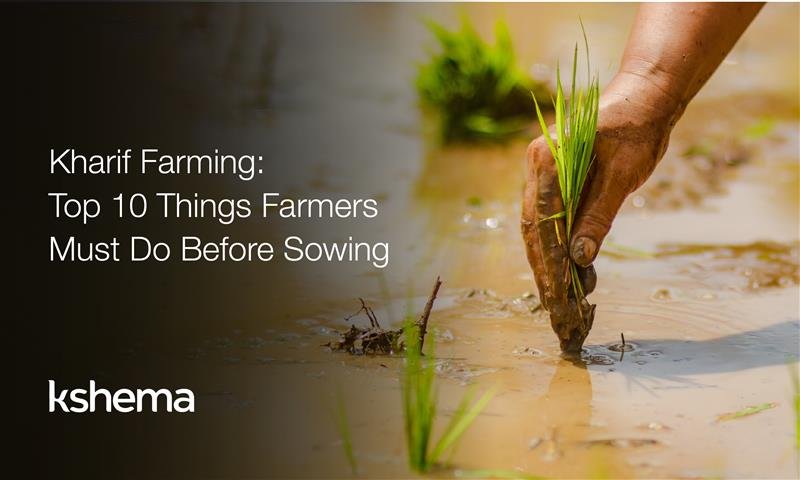
10 Essential Steps to Prepare for a Successful Kharif Farming Season
The arrival of the monsoon signals the beginning of the Kharif season — the most important period in Indian agriculture. For millions of farmers, Kharif farming brings hope for a productive harvest, but also uncertainty from unpredictable weather and rising input costs.
At Kshema, we believe that success in Kharif starts before the first seed is sown. With the right planning, preparation, and protection, farmers can reduce risk, improve crop health, and ensure more stable returns.
- Buy in easy steps
- Premium Starts at INR 499
- Protect 100+ Crops
- Quick & Easy Claims
Why Preparation Matters in Kharif Farming
1. Track the Weather Forecast
Climate variability has made traditional sowing patterns less predictable. Relying on accurate, region-specific weather forecasts is essential. Monitor expected rainfall, wind conditions, and temperature trends to identify the ideal sowing window.
A timely sowing decision increases germination success and gives your crop the best start.
2. Choose the Right Crop and Variety
Not every crop suits every region or soil type. Select Kharif crops like paddy, maize, soybean, or cotton based on local agro-climatic conditions. Opting for certified or hybrid seed varieties that offer better disease resistance, higher yields, and climate tolerance is also of paramount importance.
Speak to local agri-officers or explore trusted digital agri platforms to choose suitable varieties for your land.
3. Test and Enrich Your Soil
Good soil is the foundation of good farming. Conduct a soil test to check pH, nutrient levels, and organic matter. Based on the results, apply appropriate fertilisers, compost, or bio-inputs.
Soil testing ensures your inputs are effective — saving money and boosting crop health.
4. Prepare the Field Thoroughly
A clean, level, and well-prepared field helps ensure even distribution of water and reduces the risk of waterlogging. Remove weeds, leftover crop residues, and level the land using appropriate tilling tools.
Well-prepared fields allow for efficient sowing and better root growth during the early stages of Kharif farming.
5. Repair Bunds and Drainage Channels
Heavy monsoon rains can cause erosion and damage crops. Strengthen your bunds and clean out existing drainage channels to manage excess water. Proper water flow is crucial for preventing crop damage, especially in low-lying areas.
This small step can prevent major losses during peak rains.
6. Adopt the Right Sowing Method
Choose the sowing technique best suited for your crop and field size. Line sowing ensures proper spacing and is easier to manage for weeding and fertilisation. If available, mechanised seed drills offer more precise sowing with less labour.
Efficient sowing improves plant spacing and overall productivity.
7. Secure Inputs in Advance
Ensure you have timely access to quality seeds, fertilisers, pesticides, and other inputs like electricity and fuel . Many farmers face delays during peak demand, which can affect sowing and reduce yields. Source inputs from certified dealers or government-approved centres.
Planning ahead reduces dependence on costly last-minute purchases.
8. Insure Your Crop Against Risks
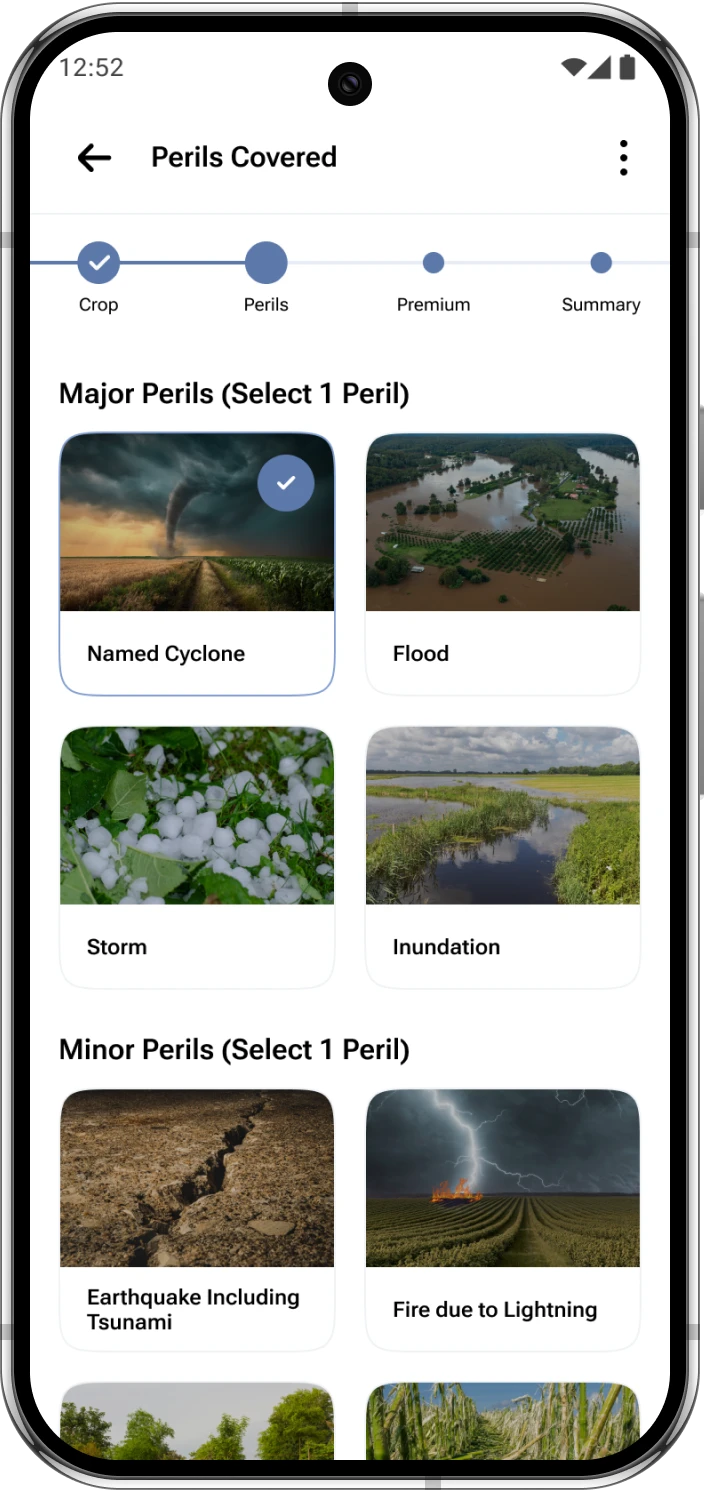
Unpredictable weather, pests, or disease can wipe out an entire season’s effort. Crop insurance protects your investment and gives you peace of mind. Kshema offers digital crop insurance solutions that are easy, affordable, and farmer friendly.
Crop insurance is a must for a productive Kharif farming.
9. Prepare for Pests and Weeds
Early protection is better than late control. Understand common pests and weeds in your area and stock appropriate treatments. Use integrated pest management (IPM) techniques to reduce chemical use and promote crop safety.
This preparation can make a major difference in yield and quality.
10. Keep Learning and Adapting
Agriculture is changing rapidly. Mobile apps, farmer WhatsApp groups, and local agri workshops are excellent ways to stay updated on new techniques, weather alerts, and government schemes.
Kshema supports knowledge-driven farming. Staying informed about various aspects of farming, from soil to weather patterns, seeds to pests, gives farmers an edge in both productivity and sustainability.
Conclusion: Preparation is Protection
Kharif farming is more than just sowing seeds — it’s about making smart, timely decisions that protect your efforts from uncertainty. From tracking rainfall to choosing the right variety, from soil care to safeguarding your crops through insurance, every step counts.
Farmers today are not only cultivators but risk managers. With unpredictable climate patterns, changing market demands, and rising input costs, traditional methods alone are no longer enough. That’s where preparation, innovation, and protection come in.
At Kshema, we stand with farmers at every stage — helping them make smarter choice, reduce their risk, and access timely support. By following this 10-step checklist, you’re not just preparing for a season; you’re investing in a stronger, more secure future.
Take control of your Kharif farming season by planning with confidence and protecting your crops with the right solutions. Because when you prepare well, you grow well — and that’s the heart of resilient, sustainable agriculture.
Start your Kharif farming journey with Kshema — where preparation meets protection.