
The PM Kisan scheme, launched in February 2019, is designed to provide direct financial support to millions of smallholder farmers across India. The scheme, officially known as the Pradhan Mantri Kisan Samman Nidhi, provides direct financial support to small and marginal farmers, helping them manage agricultural expenses and improve livelihoods. PM Kisan is a Central Sector scheme with 100% funding from Government of India
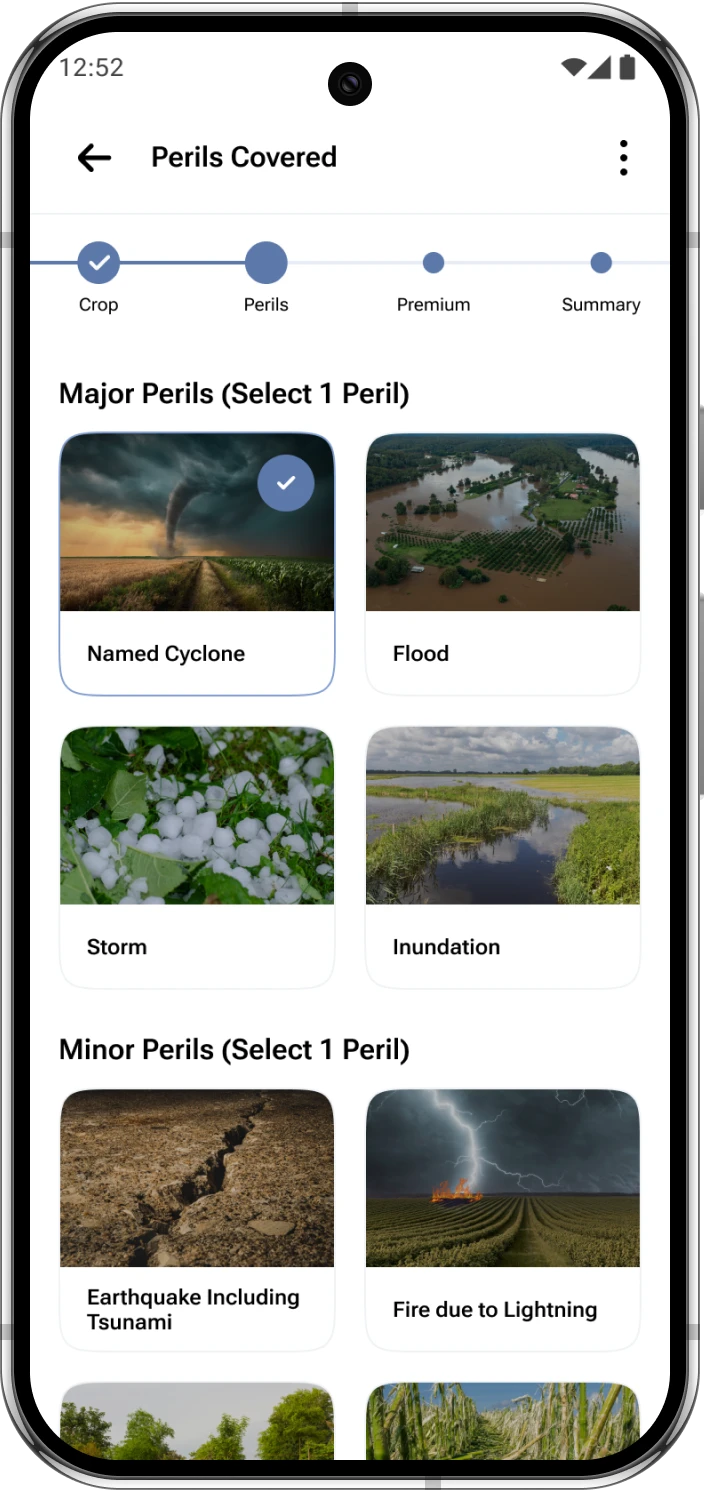
- Buy in easy steps
- Premium Starts at INR 499
- Protect 100+ Crops
- Quick & Easy Claims
This blog will cover:
- What PM Kisan is and its key benefits.
- Eligibility criteria and registration process.
- Importance of PM Kisan KYC in 2026.
- Latest updates and practical tips for farmers.
Introduction
Agriculture remains the backbone of India, and supporting farmers is vital for national growth. The PM Kisan scheme launched in February 2019 and implemented with effect from December 2018, has evolved into one of the most impactful welfare programmes for farmer households.
The scheme aims to provide financial assistance to landholding farmer families across the country, to enable them to take care of expenses related to agriculture, allied activities and domestic needs.
By offering direct income support, the Pradhan Mantri Kisan Samman Nidhi ensures farmers can focus on productivity without constant financial stress. In 2026, the scheme continues to expand its reach, with digital tools like PM Kisan KYC making access smoother and more transparent.
What is PM Kisan?
The PM Kisan scheme is a government initiative that provides eligible farmers with INR 6,000 annually, distributed in three instalments of INR 2,000 each. This direct benefit transfer (DBT) goes straight into the Aadhaar seeded bank account of the farmer beneficiary through the aadhaar-enabled payment system ensuring transparency and reducing middlemen interference.
Key highlights:
- Launched in February 2019.
- All landholding farmers’ families, which have cultivable land holding in their names are eligible to get benefit under the scheme with certain exclusions.
- Funded entirely by the Government of India.
- Payments are made directly to beneficiaries via DBT.
Benefits of PM Kisan in 2026
The scheme has grown significantly since its inception. In 2026, farmers benefit from:
- Financial stability: Regular income support helps manage crop inputs like seeds, fertilisers, and irrigation.
- Digital convenience: With PM Kisan KYC, farmers can update records online, ensuring timely payments.
- Inclusivity: Women farmers and landowners are equally eligible.
- Transparency: Aadhaar-linked payments reduce fraud and duplication.
Eligibility Criteria
To receive benefits under the Pradhan Mantri Kisan Samman Nidhi, farmers must meet certain conditions:
- Any farmer owning cultivable land except for certain exclusions.
- Possess valid Aadhaar and bank account details.
- Complete PM Kisan KYC verification.
- Institutional landholders and higher-income professionals (like doctors, engineers, or government employees) are excluded.
Registration Process
Farmers can register for PM Kisan through:
- Online portal: Visit the official PM Kisan website/National Portal of India and fill in required details.
- CSC centres: Common Service Centres assist farmers with registration and PM Kisan KYC updates.
- Mobile app: The PM Kisan app allows easy access to scheme information and application status.
Documents required:
- Aadhaar card.
- Land ownership papers.
- Bank account details.
- Mobile number
PM Kisan KYC: Why It Matters in 2026
The PM Kisan KYC process ensures that only genuine beneficiaries receive funds. In 2026, the government has made e-KYC mandatory for all farmers. Without completing this step, payments may be delayed or stopped.
Steps for PM Kisan KYC:
- Visit the official mobile app/portal/CSC centre
- Enter Aadhaar details and verify via OTP.
- Update bank account information if necessary.
- Confirm submission to activate instalments.
This process strengthens accountability and ensures that funds reach the right hands.
Latest Updates in 2026
- Digital push: Farmers can now track instalments via SMS alerts and mobile apps.
- Expanded coverage: More states are integrating land records digitally to simplify eligibility checks.
- Women empowerment: Special awareness drives encourage women farmers to register under
Pradhan Mantri Kisan Samman Nidhi. - Grievance redressal: Helplines and online complaint systems have been strengthened for faster resolution
Practical Tips for Farmers
- Always keep Aadhaar and bank details updated to avoid payment delays.
- Complete PM Kisan KYC before instalment deadlines.
- Use the PM Kisan app to track instalments and updates.
- Visit local CSC centres for assistance if facing technical issues.
Conclusion
Next step:
Frequently Asked Questions (FAQ)
Q1. Who are eligible to get benefits under the Scheme?
All landholding farmers’ families, which have cultivable land holding in their names are eligible to get benefit under the scheme