
Crop losses due to floods, droughts, pests, or unseasonal rains can disrupt an entire farming season. Knowing when and how to file a Crop Insurance Claim is crucial to ensure timely compensation and financial stability. Many claims get delayed or rejected simply because farmers miss deadlines or are unclear about the claim process.
This guide explains the right time to file a crop insurance claim, the steps involved, and how to track your claim status—so you can secure your entitled compensation without confusion.
- Buy in easy steps
- Premium Starts at INR 499
- Protect 100+ Crops
- Quick & Easy Claims
Key things to know before filing a Crop Insurance Claim:
- Crop insurance claims must be reported within a fixed timeline
- Claim timelines vary based on the type of crop loss
- Late reporting is a common reason for claim rejection
- Claims are processed under approved crop insurance schemes
- Farmers can check crop insurance claim status online
What Is a Crop Insurance Claim?
A Crop Insurance Claim is a request made by a farmer to receive compensation for crop loss or damage caused by events such as natural calamities, pests, diseases, or adverse weather conditions.
These claims are processed under approved crop insurance schemes and help farmers reduce financial stress during unexpected agricultural losses.
When Should You File a Crop Insurance Claim?
Filing a Crop Insurance Claim within the prescribed timeline is critical. The reporting period depends on the type of crop damage and the nature of the loss.
Crop Insurance Claim Timeline Based on Type of Loss
Small and marginal farmers in India face a range of challenges that threaten their livelihoods:
1. Unpredictable Weather Events
With climate change, events such as cyclones, floods, hailstorms, unseasonal rainfall etc. have become more frequent and severe.
2. Crop Diseases and Pest Infestations
Crops are susceptible to pest infestations and diseases, which can destroy entire crops.
3. High Cost of Inputs:
Seeds, fertilisers, and pesticides have become costlier, increasing production expenses for farmers.
4. Market Price Fluctuations
Farmers are often forced to sell their produce at lower prices due to market fluctuations and lack of bargaining power.
5. Risk of Falling Into Debt Cycles:
Without adequate financial security, farmers are compelled to take loans, often at high interest rates, leading to debt cycles.
These challenges highlight the critical need for safeguards like crop insurance to protect small farmers from financial ruin. By paying a nominal premium, farmers can ensure that they receive their claims in the event of a crop failure.
Crop Insurance Claim Process – Step by Step
Understanding the crop insurance claim process helps ensure faster claim settlement and reduces the chances of rejection.
Steps to File a Crop Insurance Claim
- Inform the insurer or authorized channel immediately after crop loss
- Submit claim intimation with policy and land details
- Field inspection or yield assessment is conducted
- Claim is verified under the applicable crop insurance scheme
- Approved compensation is credited directly to the farmer’s bank account
How to Check Crop Insurance Claim Status
Crop Insurance Status Check – What You Need
- Policy or application number
- Registered mobile number or Aadhaar
- Bank account details for payment confirmation
Regular crop insurance status checks help farmers stay updated on survey completion, approval, and compensation disbursal.
Common Reasons for Crop Insurance Claim Rejection
Delay in reporting crop loss
- Incorrect or incomplete documents
- Crop not covered under the selected insurance scheme
- Mismatch in land or crop details
Role of Kshema General Insurance in Safeguarding the Small and Marginal Farmers
At Kshema General Insurance, we recognise the vital role of small and marginal farmers in India’s agricultural landscape. Our crop insurance solutions are tailored to meet the unique challenges faced by these farmers, offering them the financial security they deserve.
Our Key Offerings Include:
- Comprehensive or customisable protection against losses caused by 8 perils.
- Coverage for damage caused by wild animals like elephants, wild boars, monkeys, and rabbits.
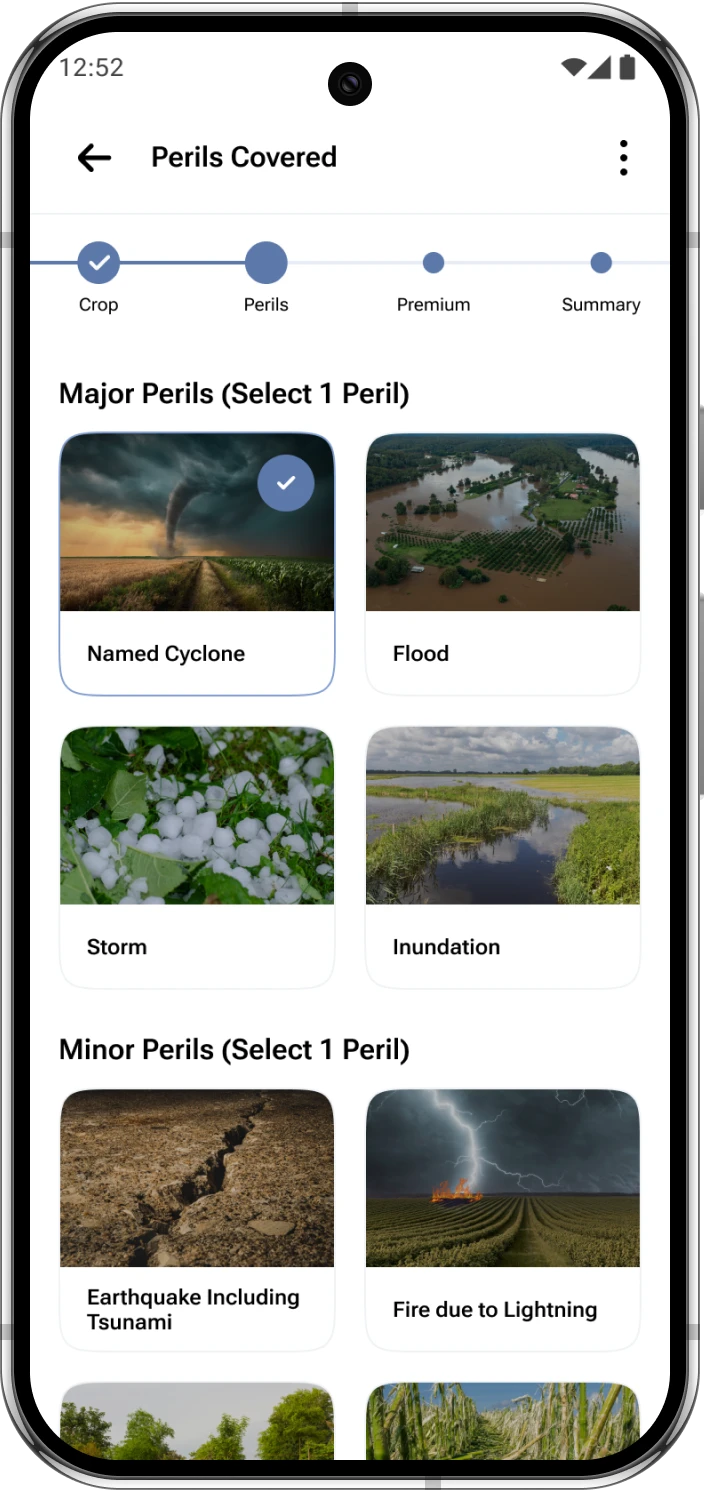
- Simplified enrollment and claims processes using the Kshema app to ensure ease of access for farmers.
Documents Required for a Crop Insurance Claim
Having the correct documents ready helps speed up the crop insurance claim process:
- Crop insurance policy or application number
- Aadhaar and bank account details
- Land ownership or tenancy documents
- Sowing certificate or crop declaration
- Proof of crop loss, if required
Conclusion
Filing a Crop Insurance Claim correctly and on time plays a vital role in securing financial support after crop loss. By understanding claim timelines, following the right claim process, and regularly checking your crop insurance claim status, farmers can avoid delays and ensure faster compensation.
Staying informed and acting promptly helps protect your farming income during unexpected agricultural risks.
If you need help, contact your Kshema General Insurance helpline or local agricultural insurance nodal officer. Ready to file a claim or check status? Reach out to Kshema support or log into your policy portal to start the process.
Frequently Asked Questions (FAQs)
1. When should a Crop Insurance Claim be filed?
A Crop Insurance Claim should be filed immediately after crop damage—usually within 72 hours for localized losses.
2. How can I check my crop insurance claim status?
You can check your crop insurance claim status online using your policy number, Aadhaar, or registered mobile number.
3. What is the crop insurance claim process?
The process includes loss intimation, document submission, field assessment, claim verification, and direct bank transfer.
4. Are all crop losses covered under crop insurance schemes?
Coverage depends on the selected crop insurance scheme and the type of risk insured.
5. Why do crop insurance claims get rejected?
Claims are commonly rejected due to late reporting, missing documents, or incorrect crop and land details