
खरीफ की खेती की तैयारी: 2026 में अधिक उपज और लाभ के लिए 10 जरूरी कदम
मानसून का आगमन खरीफ मौसम की शुरुआत का संकेत होता है, जो भारतीय कृषि का सबसे महत्वपूर्ण काल है। खरीफ की खेती के दौरान लाखों किसानों को फसलों के बेहतर उत्पादन की आशा होती है, लेकिन अप्रत्याशित मौसम और सामग्री की बढ़ती लागत से अनिश्चितता भी पैदा होती है।
क्षेमा में, हमारा मानना है कि खरीफ में सफलता की प्रक्रिया बीज बोने से पहले से ही शुरू हो जाती है। सही योजना, तैयारी और सुरक्षा के साथ, किसान जोखिम कम कर सकते हैं, फसल की सेहत में सुधार कर सकते हैं और अधिक स्थिर लाभ सुनिश्चित कर सकते हैं।
- आसान चरणों में खरीदें
- प्रीमियम ₹499 से शुरू
- 100+ फ़सलों की सुरक्षा
- तेज़ और आसान क्लेम
खरीफ की खेती शुरू करने से पहले अपनाएं ये 10 जरूरी तैयारी चरण
1. मौसम पूर्वानुमान का ध्यान रखें
हालांकि मौसम परिवर्तन के कारण पारंपरिक बुआई के पैटर्न में बदलाव हुआ है और अब इसका व्यापक पूर्वानुमान नहीं लगाया जा सकता है। लेकिन सटीक, क्षेत्र विशेष मौसम पूर्वानुमानों पर भरोसा करना जरूरी है। बुआई का आदर्श समय तय करने के लिए अनुमानित वर्षा, हवा की स्थिति और तापमान का ध्यान रखें।
समय पर बुआई करने से बेहतर अंकुरण होता है और आपकी फसल को बेहतर शुरुआत मिलती है।
2. सही फसल और किस्म चुनें
हर फसल, हर क्षेत्र या मिट्टी के प्रकार के लिए उपयुक्त नहीं होती। स्थानीय कृषि और मौसम की परिस्थितियों के आधार पर खरीफ की खेती के लिए धान, मक्का, सोयाबीन या कपास जैसी फसलों का चयन करें।। प्रमाणित या संकर बीज किस्मों को चुनना भी अत्यंत महत्वपूर्ण हो सकता है जिसमें बेहतर रोग प्रतिरोधक क्षमता, अधिक उपज और मौसम में सहनशीलता का गुण होता है।
अपनी भूमि के लिए उपयुक्त किस्मों का चयन करने के लिए स्थानीय कृषि अधिकारियों से बात करें या विश्वसनीय डिजिटल कृषि प्लेटफॉर्म देखें।
3. मिट्टी की जांच करें और उसे बेहतर बनाएं
4.अच्छी तरह से खेत को तैयार करें
साफ, समतल और अच्छी तरह से तैयार किए गए खेत में पानी का समान वितरण सुनिश्चित होता है और जलभराव का जोखिम नहीं होता है। खरपतवार, फसल के बचे हुए अवशेषों को हटाएं और उपयुक्त जुताई उपकरणों का उपयोग करके भूमि को समतल बनाएं।
अच्छी तरह से तैयार किए गए खेत, खरीफ की खेती के शुरुआती चरणों में कुशल बुआई और बेहतर जड़ों की वृद्धि के लिए जरूरी होते हैं।
5. मेड़ों और जल निकासी चैनलों की मरम्मत करें
भारी मानसूनी बारिश से कटाव हो सकता है और फसलों को नुकसान हो सकता है। अतिरिक्त पानी के नियंत्रण के लिए अपने मेड़ों को मजबूत करें और मौजूदा जल निकासी वाले चैनलों को साफ करें। खासकर निचले इलाकों में फसलों को नुकसान से बचाने के लिए उचित जल प्रवाह महत्वपूर्ण है।
इस छोटे से कदम से भारी बारिश के दौरान बड़े नुकसान को रोकने में मदद मिलती है।
6. सही बुआई विधि अपनाएं
अपनी फसल और खेत के आकार के लिए सबसे उपयुक्त बुआई तकनीक चुनें। पंक्तिबद्ध बुआई से उचित दूरी सुनिश्चित होती है और इससे निराई-गुड़ाई और उर्वरक प्रबंधन में आसानी होती है। अगर उपलब्ध हो तो मशीन से बीज बोएं, इससे कम मजदूरी, कम मेहनत के साथ अधिक सटीक बुआई होती है।
कुशल बुआई से पौधों के बीच की दूरी और संपूर्ण उत्पादकता में सुधार होता है।
7. पहले से ही उपयोग होने वाली सामग्रियों को सुरक्षित करें
सुनिश्चित करें कि आपके लिए बेहतर बीज, उर्वरक, कीटनाशक और बिजली व ईंधन जैसे अन्य सामान समय पर उपलब्ध हों। इन चीजों की अधिकतम मांग के दौरान कई किसानों को देरी का सामना करना पड़ता है, जिससे बुआई प्रभावित हो सकती है और पैदावार कम हो सकती है। प्रमाणित डीलरों या सरकार द्वारा मान्यता प्राप्त केंद्रों से सामग्रियां लें।
पहले से योजना बनाने से आखिरी समय की महंगी खरीदारी से बच सकते हैं।
8. जोखिमों के लिए अपनी फसल का बीमा कराएं
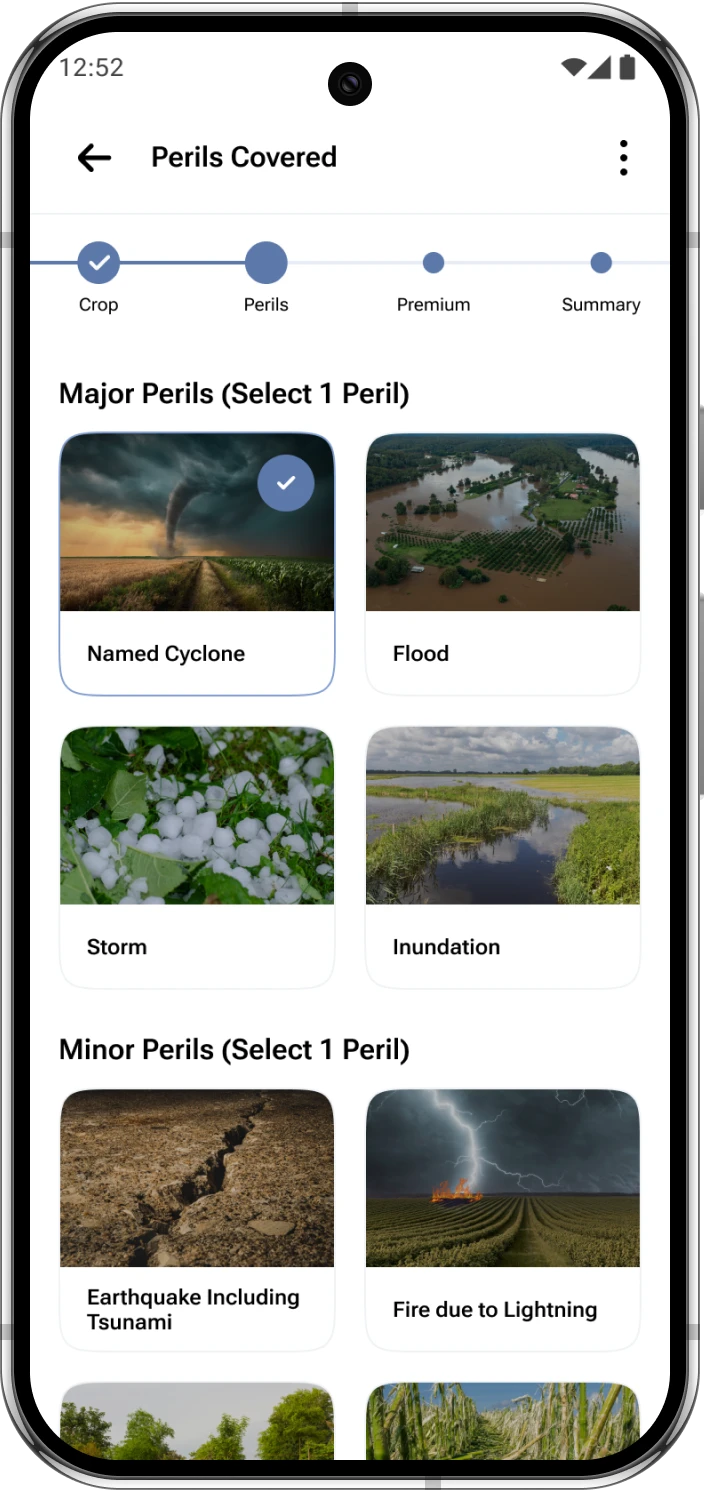
अप्रत्याशित मौसम, कीट या रोग पूरे मौसम की मेहनत पर पानी फेर सकते हैं। फसल बीमा आपके निवेश की सुरक्षा करता है और आपको मानसिक शांति देता है। क्षेमा डिजिटल फसल बीमा समाधान प्रदान करता है जो किसानों के लिए आसान, किफायती और अनुकूल हैं।
खरीफ की खेती बेहतर हो, इसके लिए फसल बीमा अनिवार्य है।
👉 क्षेमा ऐप डाउनलोड करें की खेती की योजना बनाएं और फसल बीमा का लाभ उठाएं।
9. कीट और खरपतवार नियंत्रण की तैयारी करें
बाद में पछताने से जल्दी सुरक्षा पाना बेहतर है। आपके क्षेत्र में मौजूद कीटों और खरपतवारों के बारे में जानें और उचित उपचार को स्टॉक करें। केमिकल के उपयोग को कम करने और फसल की सुरक्षा को बेहतर बनाने के लिए एकीकृत कीट प्रबंधन (आईपीएम) तकनीकों का उपयोग करें।
यह तैयारी उपज और गुणवत्ता में बड़ा अंतर ला सकती है।
10. निरंतर सीखते रहें और अनुकूल बनाते रहें
कृषि तेजी से बदल रही है। मोबाइल ऐप, किसान व्हाट्सऐप ग्रुप और स्थानीय कृषि कार्यशालाएं नई तकनीकों, मौसम संबंधी चेतावनियों और सरकारी योजनाओं से अपडेट रहने के बेहतरीन तरीके हैं।
क्षेमा जानकारी आधारित खरीफ की खेती में सहयोग करता है। मिट्टी से लेकर मौसम के मिजाज, बीज से लेकर कीटों तक, खरीफ की खेती के विभिन्न पहलुओं की जानकारी रखने से किसानों को उत्पादकता और स्थिरता, दोनों में बढ़त मिलती है।
निष्कर्ष: पहले से तैयारी करने पर ही सुरक्षा मिलती है
खरीफ की खेती का मतलब सिर्फ बीज बोना भर नहीं है, बल्कि इसका मतलब समझदारी भरे कदम उठाना, समय पर निर्णय लेना है जिससे आप अनिश्चितता से बचते हैं। आत्मविश्वास के साथ योजना बनाकर और सही समाधानों से अपनी फसलों की सुरक्षा करके खरीफ की खेती के पूरे मौसम पर नियंत्रण रखें।वर्षा पर नजर रखने से लेकर सही किस्म चुनने तक, मिट्टी की देखभाल से लेकर बीमा के जरिए अपनी फसलों की सुरक्षा तक, हर कदम आपके लिए मायने रखता है।
आज के किसान, केवल एक किसान नहीं हैं, बल्कि जोखिम प्रबंधक भी हैं। बदलते मौसम पैटर्न, बाजार की बदलती मांग और बढ़ती लागत के कारण, सिर्फ पारंपरिक तरीके अब पर्याप्त नहीं होते हैं। यहीं पर तैयारी, नवाचार और सुरक्षा के लिए उठाए गए कदम की भूमिका महत्वपूर्ण होती है।
क्षेमा में, हम हर कदम पर किसानों के साथ खड़े हैं और उन्हें बेहतर विकल्प चुनने, उनके जोखिम को कम करने और समय पर सहायता प्राप्त करने में मदद करते हैं। इस 10 चरण वाले चेकलिस्ट का पालन करके, आप न केवल मौसम की तैयारी कर पाते हैं; बल्कि आप मजबूत और सुरक्षित भविष्य तैयार करते हैं।
आत्मविश्वास के साथ योजना बनाकर और सही समाधानों से अपनी फसलों की सुरक्षा करके अपने खरीफ खेती के मौसम पर नियंत्रण रखें। क्योंकि जब आप अच्छी तरह से तैयारी करते हैं, तो आप अच्छी तरह से विकसित होते हैं और यही सुविधाजनक, पर्यावरण के अनुकूल कृषि का आधार है।
अपनी खरीफ खेती की यात्रा क्षेम से शुरू करें, क्योंकि यहां आपको तैयारी और सुरक्षा, दोनों विशेषताओं का लाभ मिलेगा।
सरकारी फसल बीमा योजनाओं की विस्तृत जानकारी के लिए प्रधान मंत्री फसल बीमा योजना की आधिकारिक वेबसाइट पर जाएं।