
- Buy in easy steps
- Premium Starts at INR 499
- Protect 100+ Crops
- Quick & Easy Claims
Agriculture is India’s major economic activity with approximately 55 percent of its workforce engaged in agriculture or allied activities while small and marginal farmers constitute over 85% of this population. These farmers, owning less than 5 acres of land, play a vital role in ensuring the nation’s food security. However, they are also most vulnerable to risks, including unpredictable weather and fluctuating market prices. For such small farmers, protection is crucial because even a single crop failure can lead to devastating financial losses.
In this context, crop insurance in India is a lifeline, providing small farmers with the necessary protection and financial stability. This blog delves into why crop insurance is essential for small and marginal farmers, its benefits, and its transformative role for rural India.
Quick Summary: Effects of Hailstorm on Crops
- Breaks stems, leaves and fruit
- Causes bruising → quality loss
- Reduces yield and market price
- Damages flowering → no grain formation
- Adds disease entry points
- Crop insurance helps reduce financial loss
Effects of Hailstorm on Crops: What Farmers Face
- Unpredictable Weather: With climate change, events such as cyclones, floods, hailstorms, unseasonal rainfall etc. have become more frequent and severe.
- Pests and Diseases: Crops are susceptible to pest infestations and diseases, which can destroy entire crops.
- Rising Input Costs: Seeds, fertilisers, and pesticides have become costlier, increasing production expenses for farmers.
- Market Instability: Farmers are often forced to sell their produce at lower prices due to market fluctuations and lack of bargaining power.
- Debt Traps: Without adequate financial security, farmers are compelled to take loans, often at high interest rates, leading to debt cycles.
Types of Damage Caused by Hailstorm
- Mechanical injury (stems/leaves broken)
- Physical bruising (spots, cracks)
- Flower/fruit drop → no yield formation
- Increased disease infection
- Reduced final grain size & quality
Why Crop Insurance Is Essential After Hailstorm Damage
1. Protection Against Uncertainties
2. Financial Stability
3. Mitigating Debt Dependency
4. Long-Term Sustainability
Crop insurance also incentivises farmers to adopt and invest in modern, and sustainable farming practices by taking away the fear of financial loss, reducing risks in the long run.
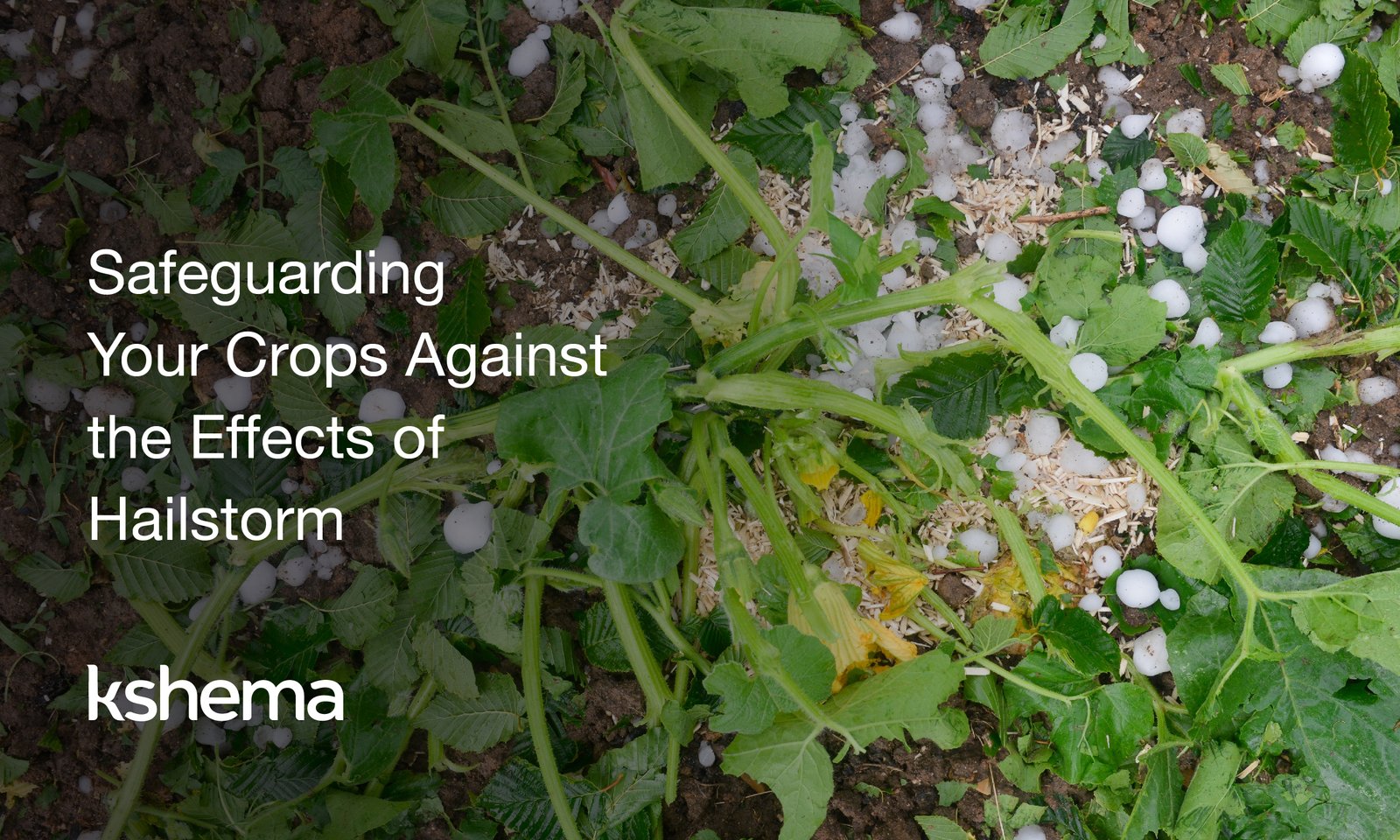
Hailstorms damage crops by hitting them with ice pellets at high speed. This causes leaf shredding, stem breakage, flower drop, lodging and fruit bruising. Seedlings can be completely destroyed. After hail impact, plants become weak, prone to diseases and fail to complete grain formation.
Benefits of Crop Insurance in India for Small and Marginal Farmers
- Comprehensive Coverage: Crop insurance in India covers losses due to natural calamities, and even wild animal attacks.
- Affordable Premiums: Crop insurance products like Kshema Sukriti make crop insurance affordable even for marginal farmers.
- Protection from Income Shocks: Settlement of insurance claims safeguards the financial interest of the farmers by ensuring they have access to resources to continue farming.
- Empowerment: Crop insurance in India instills confidence in farmers, empowering them to focus on improving productivity rather than worrying about risks.
- Boosts Rural Economy: When farmers are financially secure, they can contribute to the rural economy by investing in inputs, machinery, and labour.
How Crop Insurance Schemes Work in India
- Enrollment: Farmers can enroll in crop insurance schemes in India through banks, insurance companies, Common Service Centers (CSCs) or mobile apps. They must provide details about their land, crops, Aadhaar, etc.
- Premium Payment: Farmers pay a small premium against a sum insured for their insured crop.
- Loss Reporting: In the event of crop loss, farmers report the damage to their insurance provider or local authorities. They can upload photos and/or videos of the crop damage to report loss.
- Claim Settlement: After verification, the insurer processes the claim and disburses the settlement to the farmer.
Role of Kshema General Insurance in Safeguarding the Small and Marginal Farmers
At Kshema General Insurance, we recognise the vital role of small and marginal farmers in India’s agricultural landscape. Our crop insurance solutions are tailored to meet the unique challenges faced by these farmers, offering them the financial security they deserve.
Our Key Offerings Include:
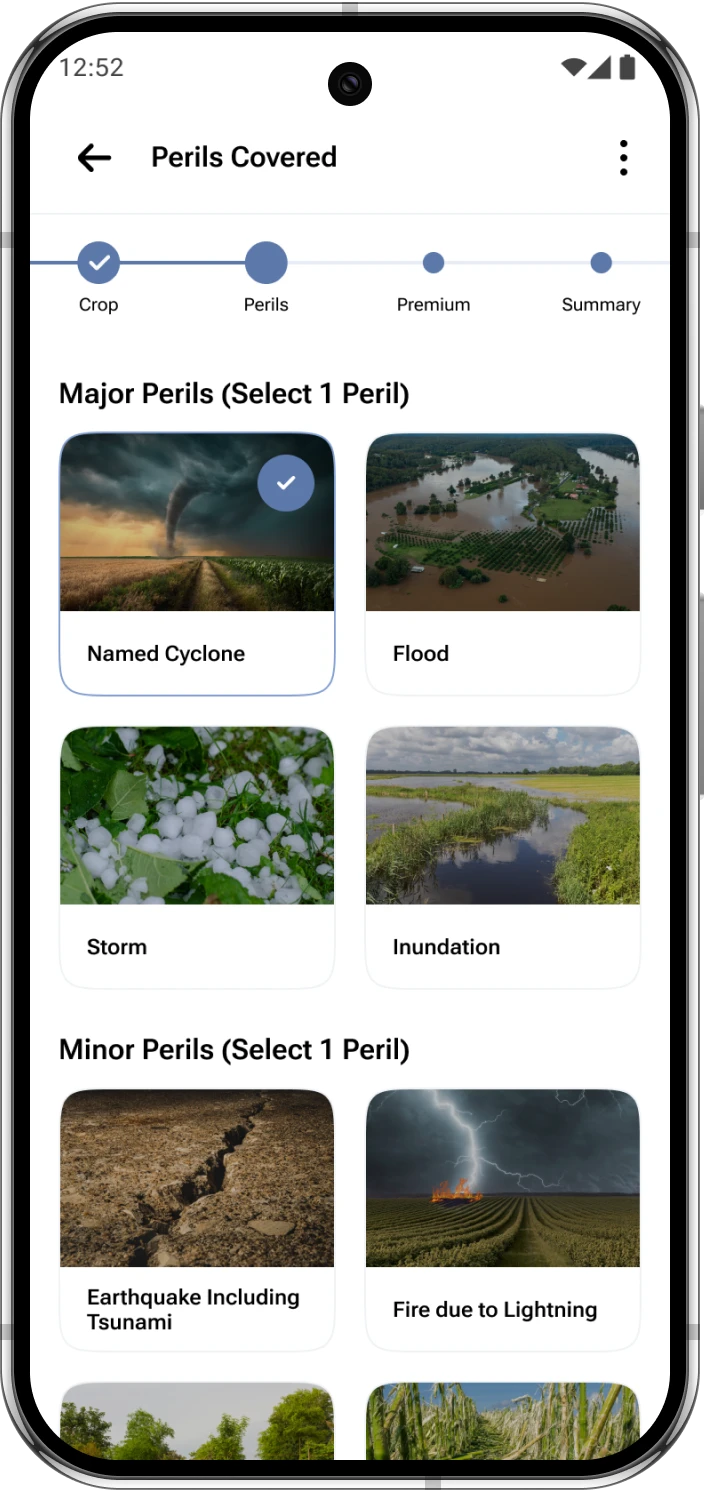
- Comprehensive or customisable protection against losses caused by 8 perils.
- Coverage for damage caused by wild animals like elephants, wild boars, monkeys, and rabbits.
- Simplified enrollment and claims processes using the Kshema app to ensure ease of access for farmers.
Also Read: https://kshema.co/how-crop-insurance-can-safeguard-small-farmers-livelihoods/
Conclusion
Hailstorms can severely damage crops within minutes, causing major losses for farmers. Understanding the effects of hail, taking preventive measures and relying on crop insurance helps farmers protect both their yield and income. With the right support and timely coverage, farmers can recover from hail damage and prepare confidently for the next season.
At Kshema General Insurance, we stand by Indian farmers, offering them the tools and support they need to thrive. If you are a farmer looking to secure your crops and livelihood, explore our crop insurance solutions today. Let’s work together to build a resilient farming community for a better tomorrow.
Frequently Asked Questions (FAQs)
1. How do hailstorms damage crops?
2. Which crops are most vulnerable?
Crops with tender leaves and soft fruit such as vegetables, grapes, cotton, paddy, wheat during flowering, and orchards like mango and apple are highly vulnerable to hailstorm damage.
3. What immediate steps should farmers take?
Farmers should drain excess water, apply fungicides to prevent disease entry, stake/support damaged plants, remove shattered branches, and report the loss immediately if the crop is insured.
4. Are hailstorms insurable?
Yes. Many crop insurance plans cover hailstorm as a listed peril. Farmers receive compensation for physical crop damage after verification by the insurer.
5. How to reduce future risk?
Use windbreaks, protective nets, strong staking, timely pruning for orchards, adjust sowing dates and follow weather alerts to prepare before hailstorms occur.
6. Are hailstorm losses covered by insurance?
Yes. Hailstorm is a covered risk under many crop insurance plans including Kshema Sukriti and government schemes. Compensation depends on damage extent and policy terms.