

Stay Updated with Our Latest Blogs
Subscribe to our blog and get the latest insurance tips, guides, and industry updates delivered to your inbox
Subscribe to our blog and get the latest insurance tips, guides, and industry updates delivered to your inbox
Crop Insurance

Summary: Crop rotation helps break pest cycles, improves soil nutrients, and may reduce farming risks, supporting better insurance planning and crop selection.
Crop rotation is a fundamental agricultural practice that helps in enhancing soil health, managing pests, and improving yields. However, farmers often overlook an essential aspect of this technique: its alignment with their crop insurance policy. Ensuring your farming system matches insurance requirements can protect investments and safeguard futures.
In this blog, we’ll explore how to align field management practices with insurance policies (opens in a new tab), the potential pitfalls, and steps to take.
Before diving into insurance considerations, it’s crucial to understand how this farming method works. It involves alternating the types of crops grown in a particular field over multiple growing seasons. This promotes soil fertility, reduces the risk of pests and disease build-up, and increases overall farming efficiency. Why Farmers Should Implement This Practice
Many farmers don’t realise that crop insurance policies crop insurance documents (opens in a new tab). Most policies outline specific requirements about crop types, rotation frequency, and the maximum number of consecutive seasons a crop can be planted in the same field. Be aware of any exclusions or limitations.
Insurance providers assess risk when underwriting crop policies. Certain crop rotation practices, such as not rotating crops for extended periods or growing a non-insurable crop, can increase the risk of damage and lead to a policy violation.
Aligning crop rotation with insurance policies (opens in a new tab) isn’t complicated, but it requires careful planning. Here are the key steps you should take:
Step 1: Review Your Insurance Policy
Carefully read your crop insurance policy. Most policies outline specific requirements about crop types, rotation frequency, and the maximum number of consecutive seasons a crop can be planted in the same field. Be aware of any exclusions or limitations related to crop rotation.
Step 2: Understand Crop Eligibility (opens in a new tab)
Not all crops are insurable, and some policies may restrict the rotation of certain varieties. For example, some specialty produce may not be covered under standard insurance. Before planning your seasonal strategy, make sure that each item you intend to grow is covered.
Step 3: Monitor Rotation Requirements
Some insurers may offer discounts if you diversify crops regularly. This helps mitigate risks. Make sure you follow the guidelines to maintain your coverage. Typically, this could mean alternating between legumes, grains, and other plant categories.
Step 4: Maintain Records
Insurers may ask for documentation proving that you're following a proper field management plan (opens in a new tab). Keep detailed records of crop schedules, crop types, and any changes you make. This will help in the event of a claim.
Your advisor can be a valuable resource in understanding how your planting practices affect your premium or coverage. They can clarify which crops are eligible, provide guidance on rotation timelines, and offer risk management advice. Regular consultations (opens in a new tab) are especially helpful when changing your farming approach.
Failing to coordinate your seasonal planning with policy terms can lead to costly consequences:
There are several misunderstandings surrounding this topic. Let’s clear up a few:
Myth 1: Rotating crops doesn’t affect insurance.
Fact: Insurers often limit the number of years the same crop can be planted in a field. Failure to switch can reduce coverage.
Myth 2: Any crop can be rotated without issue.
Fact: Some may be ineligible for coverage under specific policies. Always check before introducing a new variety.
Ensuring that your crop rotation practices align with your insurance policies is a key component of farm risk management. By reviewing your insurance policy, understanding crop eligibility (opens in a new tab), rotating crops regularly, and keeping accurate records, you can safeguard your investment and prevent costly mistakes. Remember, a little effort in aligning your practices with insurance requirements can pay off significantly when it comes to protecting your farm’s future.
Crop rotation in India is the practice of growing different crops in the same field across seasons to maintain soil fertility, reduce pests, and improve yields.
A common example is rotating rice with pulses or wheat with legumes. This helps replenish soil nutrients and reduces pest infestations.
Without crop rotation, soil fertility declines, pests and weeds increase, and crop yields reduce over time, making farming less sustainable.
Disclaimer:“We do not assume any liability for any actions undertaken based on the information provided here. The information gathered from various sources and are displayed here for general guidance and does not constitute any professional advice or warranty of any kind.”


IntroductionIf you own a vehicle, understanding third-party car insurance is essential. It is the most basic form of motor insurance and is required by law for all vehicles driven on Indian roads.What This Blog Covers • What third-party insurance means and how it works. • Why it is considered mandatory car insurance in India. • The benefits, coverage, and limitations of this policy. • The consequences of ignoring the car insurance legal requirement.This guide provides a clear overview of the leg


Meri Fasal Mera Byora is a Haryana government initiative to benefit the farmers of the state. It is an important platform for crop registration and provides access to various government agriculture-related benefits. As the Kharif 2026 season is in progress, completing registration correctly can help farmers avoid delays in receiving support and scheme benefits by understanding benefits of insurance to farmers.What This Guide CoversWho should register for kharif 2026Documents and details required
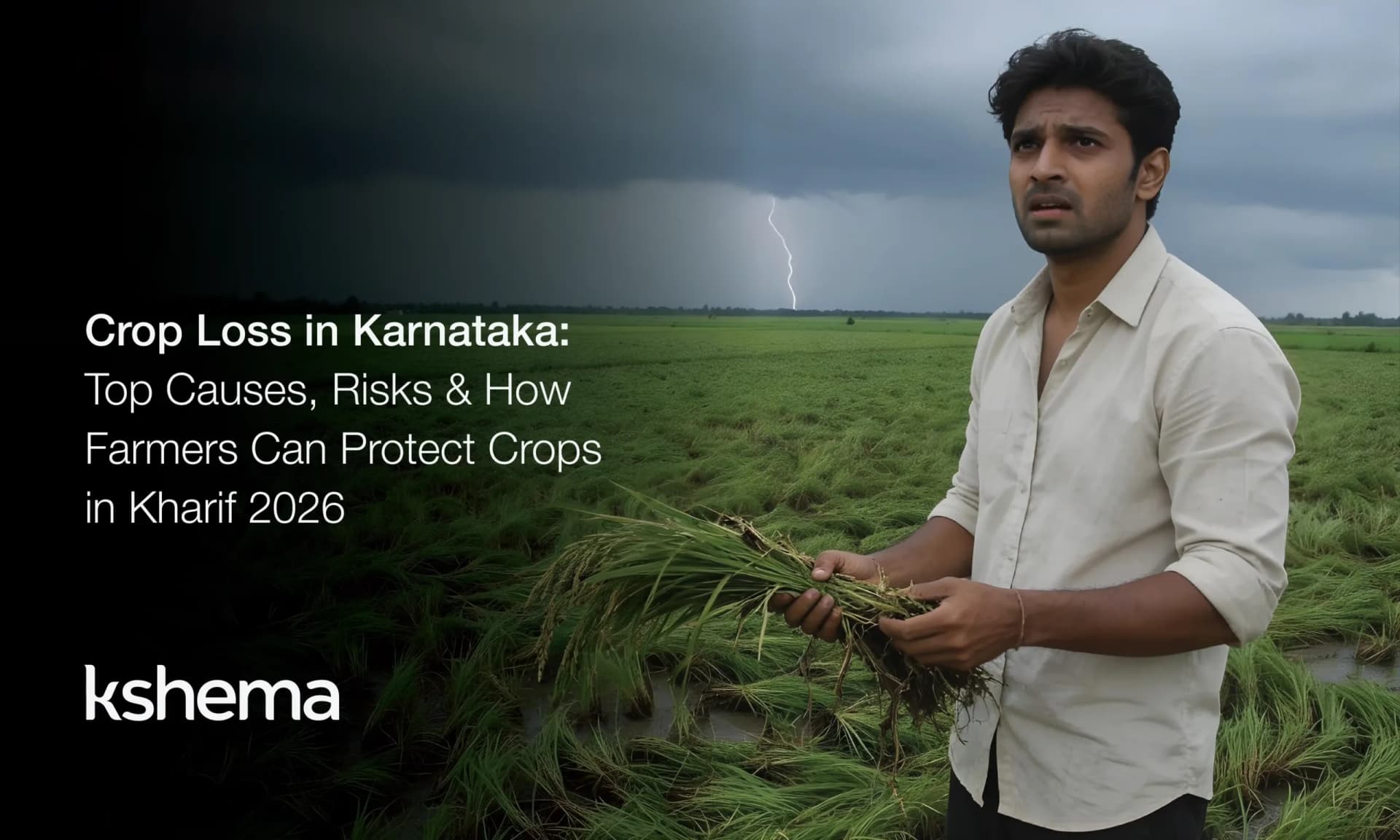
IntroductionCrop Loss in Karnataka remains a critical challenge for farmers, especially during the kharif season when weather uncertainties are at their peak. Understanding the causes and taking preventive measures can significantly reduce risks and improve yields by understanding proven ways to protect crops.In this blog, you’ll learn:Major causes behind crop damage in KarnatakaKey Karnataka kharif crop risks farmers should watch out forPractical strategies to minimise losses and protect cropsP

IntroductionThe Rythu Bharosa scheme in Telangana continues to play a crucial role in supporting farmers during Kharif 2026. This is the Telangana government’s flagship farmer investment support scheme for seeds, fertilisers, and labour. By providing timely financial assistance, it helps reduce input costs and stabilise agricultural income and improve financial security through benefits of insurance to farmers.What this blog coversKey advantages of the scheme in Kharif 2026How Rythu Bharosa supp

IntroductionThis is our Maharashtra Kharif crops guide that can help the farmers of Maharashtra plan the upcoming monsoon season effectively. With the right crop choices, sowing time, and risk protection strategies, farmers can maximise yield and reduce uncertainty with the help of https://kshema.co/plans/What this blog covers:Best crops suited for the Kharif season in MaharashtraIdeal sowing dates to ensure higher productivityRegion-wise considerations for crop planningPractical insurance tips

If your PM Kisan payment has not been credited in 2026, it can be both confusing and frustrating. Many farmers across India face delays due to technical or verification issues, but most problems can be resolved with the right steps.In this blog, you will learn:Why your instalment may be delayed or missingHow to complete a quick PM Kisan status checkWays to fix errors and receive future paymentsWhere to seek help if the issue persistsUnderstanding the PM-Kisan Samman Nidhi Scheme in 2026The PM-Ki