

Stay Updated with Our Latest Blogs
Subscribe to our blog and get the latest insurance tips, guides, and industry updates delivered to your inbox
Subscribe to our blog and get the latest insurance tips, guides, and industry updates delivered to your inbox
Crop Insurance
Crop insurance eligibility in India depends on the crop, season, and valid land or tenancy records. Both loanee and non-loanee farmers can apply if they meet notified criteria for the season.
Farmers who own land, cultivate leased land, or sharecroppers can apply for crop insurance under PMFBY (opens in a new tab) and other schemes. Eligibility depends on crop type, location, and timely premium payment. This guide explains who qualifies, required documents, and how to apply for crop insurance in India.
Crop insurance is a critical safety net. It not only protects farmers from livelihood loss but also builds financial resilience among them.
At the heart of Kshema General Insurance (opens in a new tab) lies a bold vision: to shift the mindset from traditional, defensive risk management to a strategic and progressive approach to resilience. We believe that true strength lies not just in surviving uncertainty, but in being prepared for it.
And Kshema fulfills this vision by providing tailored crop insurance solutions (opens in a new tab) to help farmers secure their livelihoods. But who qualifies to buy a crop insurance policy?
In this guide, we’ll explore the eligibility for farm insurance, key requirements, and how Kshema General Insurance can help you protect your crops (opens in a new tab) effectively.
Quick Answer
Farmers growing notified crops during the declared season with valid land or tenancy records are eligible for crop insurance.
Farmers owning land, tenant farmers with valid lease agreements, and sharecroppers managing crop production are eligible.
Eligibility for Crop Insurance:
Farmers who grow crops on their own land are the major beneficiaries of crop insurance (opens in a new tab). You must:
With Kshema, farmers can access comprehensive as well as customised crop insurance policies (opens in a new tab) that cover more than 100+ crops and protect from up to 8 perils.
Even if you don’t own the land, you can still qualify for insurance for crops. Tenant farmers and sharecroppers who lease land for cultivation are eligible if they:
Kshema has designed its farm insurance plan – Kshema Sukriti (opens in a new tab) – by keeping affordability and customisation in mind for farmers who are looking for tailormade solutions.
Kshema Sukriti offers:
Several factors determine whether you qualify for crop insurance, including:
Certain crops are more prone to specific risks than others. Kshema covers a wide range of crops, but the availability of the insurance policy or premium may depend on:
Insurance providers assess regional risks before issuing policies. High-risk areas prone to perils like floods, or cyclones (opens in a new tab) may have:
Kshema General Insurance offers comprehensive plans (opens in a new tab) as well apart from customised solutions, based on location-specific risks, ensuring farmers in vulnerable regions get the protection they need.
A history of frequent insurance claims may lead to:
If you meet the eligibility criteria, here’s how you can apply
Crop insurance is essential for protecting farmers against financial losses due to natural disasters and unpredictable events. Whether you are a marginal farmer, tenant, or a large farm-land owner farmer, Kshema General Insurance offers tailored solutions to ensure your financial resilience.
If you’re looking for a reliable crop insurance provider, Kshema General Insurance (opens in a new tab) is here to help. Contact us today to explore the best insurance options for your crop!
Secure your crops today! Download the Kshema App (opens in a new tab) or visit the PMFBY portal to apply for crop insurance and protect your farm in 2026
Landowners, tenant farmers with valid leases, and sharecroppers—if the crop is notified and premiums are paid on time.
Yes, tenant and sharecropper farmers can apply with valid proof.
Yes, Aadhaar is generally required for identification and claims.
Land records, Aadhaar, bank details, and crop information.
Yes, incorrect eligibility details can lead to rejection.
“We do not assume any liability for any actions undertaken based on the information provided here. The information gathered from various sources and are displayed here for general guidance and does not constitute any professional advice or warranty of any kind.”


IntroductionIf you own a vehicle, understanding third-party car insurance is essential. It is the most basic form of motor insurance and is required by law for all vehicles driven on Indian roads.What This Blog Covers • What third-party insurance means and how it works. • Why it is considered mandatory car insurance in India. • The benefits, coverage, and limitations of this policy. • The consequences of ignoring the car insurance legal requirement.This guide provides a clear overview of the leg

Meri Fasal Mera Byora is a Haryana government initiative to benefit the farmers of the state. It is an important platform for crop registration and provides access to various government agriculture-related benefits. As the Kharif 2026 season is in progress, completing registration correctly can help farmers avoid delays in receiving support and scheme benefits by understanding benefits of insurance to farmers.What This Guide CoversWho should register for kharif 2026Documents and details required
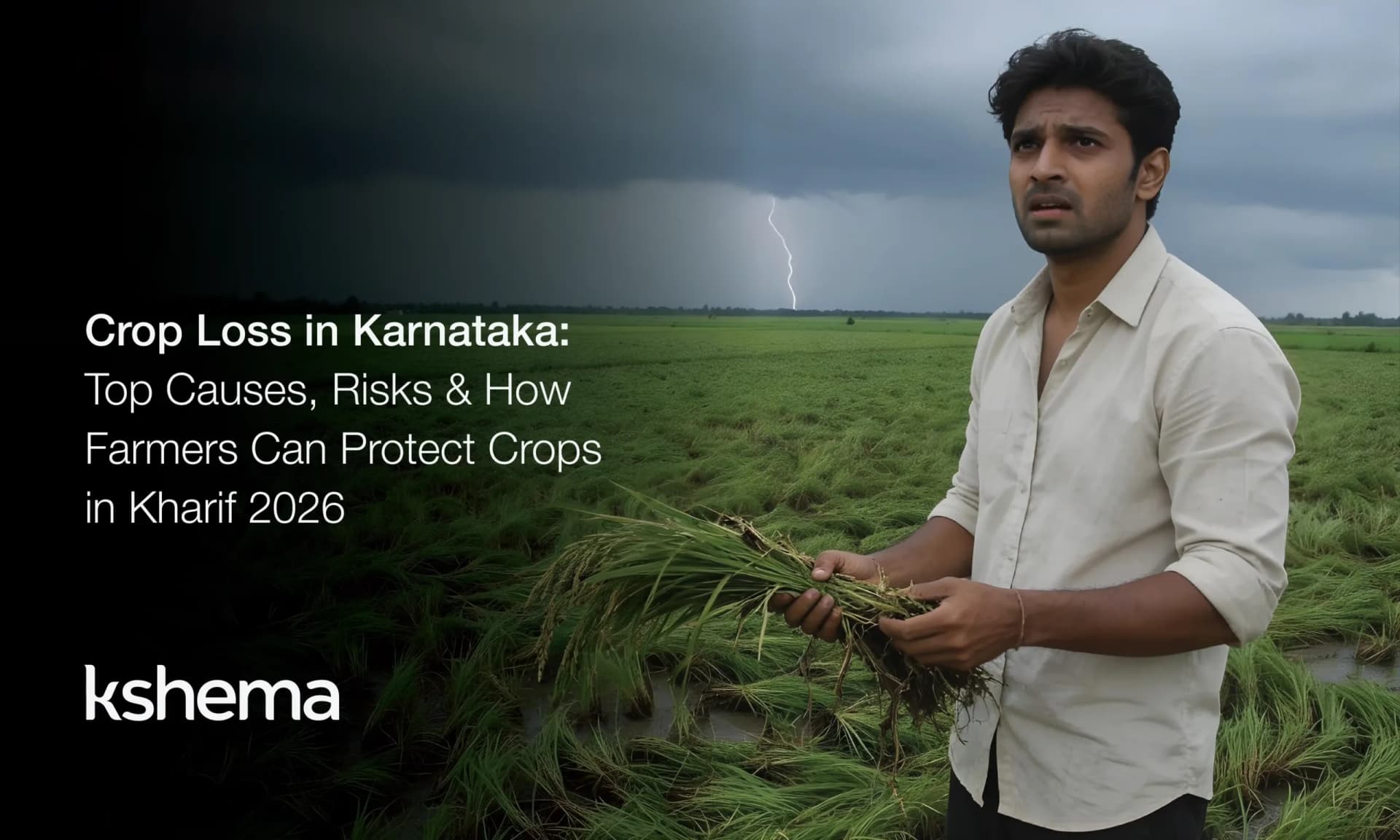
IntroductionCrop Loss in Karnataka remains a critical challenge for farmers, especially during the kharif season when weather uncertainties are at their peak. Understanding the causes and taking preventive measures can significantly reduce risks and improve yields by understanding proven ways to protect crops.In this blog, you’ll learn:Major causes behind crop damage in KarnatakaKey Karnataka kharif crop risks farmers should watch out forPractical strategies to minimise losses and protect cropsP

IntroductionThe Rythu Bharosa scheme in Telangana continues to play a crucial role in supporting farmers during Kharif 2026. This is the Telangana government’s flagship farmer investment support scheme for seeds, fertilisers, and labour. By providing timely financial assistance, it helps reduce input costs and stabilise agricultural income and improve financial security through benefits of insurance to farmers.What this blog coversKey advantages of the scheme in Kharif 2026How Rythu Bharosa supp
IntroductionThis is our Maharashtra Kharif crops guide that can help the farmers of Maharashtra plan the upcoming monsoon season effectively. With the right crop choices, sowing time, and risk protection strategies, farmers can maximise yield and reduce uncertainty with the help of https://kshema.co/plans/What this blog covers:Best crops suited for the Kharif season in MaharashtraIdeal sowing dates to ensure higher productivityRegion-wise considerations for crop planningPractical insurance tips
If your PM Kisan payment has not been credited in 2026, it can be both confusing and frustrating. Many farmers across India face delays due to technical or verification issues, but most problems can be resolved with the right steps.In this blog, you will learn:Why your instalment may be delayed or missingHow to complete a quick PM Kisan status checkWays to fix errors and receive future paymentsWhere to seek help if the issue persistsUnderstanding the PM-Kisan Samman Nidhi Scheme in 2026The PM-Ki