

Stay Updated with Our Latest Blogs
Subscribe to our blog and get the latest insurance tips, guides, and industry updates delivered to your inbox
Subscribe to our blog and get the latest insurance tips, guides, and industry updates delivered to your inbox
Motor Insurance
What This Blog Covers
This guide provides a clear overview of the legal and practical importance of third-party cover, helping vehicle owners make informed decisions.
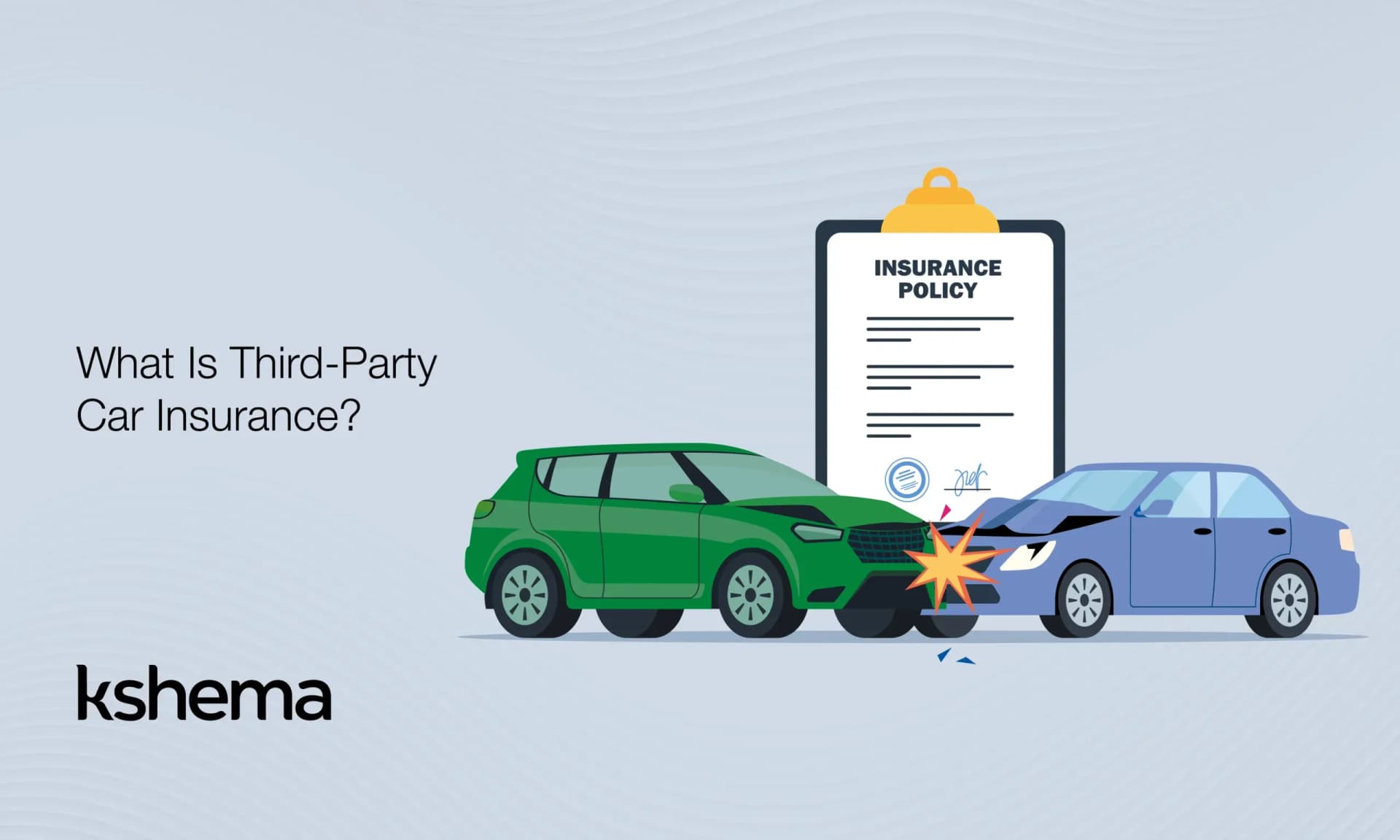
Third-party car insurance (opens in a new tab) is a motor insurance policy (opens in a new tab) that protects the policyholder against financial liabilities arising from damage or injury caused to another person, vehicle, or property. In simple terms, if your car causes an accident that affects someone else, the insurer compensates the affected third party according to the policy terms.
This type of insurance does not cover damage to your own vehicle. Its primary objective is to ensure that accident victims receive financial compensation without facing unnecessary delays or disputes
The requirement for third-party car insurance comes from motor vehicle regulations designed to protect road users. It is regarded as mandatory car insurance in India (opens in a new tab) because it provides a financial safety net for people who suffer losses due to another driver's actions.
The government requires every vehicle owner to maintain valid insurance before driving on public roads. This rule exists to ensure that accident victims can obtain compensation for injuries, death, or property damage without depending solely on the responsible driver's financial capacity.
In addition, the policy fulfils an important car insurance legal requirement, helping maintain accountability and financial responsibility among vehicle owners
If another individual is injured or loses their life in an accident caused by your vehicle, the policy provides compensation as determined by applicable regulations and legal processes
The insurer may compensate for damage caused to another person’s vehicle, building, boundary wall, shop, or other property, subject to policy conditions.
The policy can help address liabilities arising from claims made by affected third parties following an accident. This coverage makes the policy essential for every vehicle owner, regardless of how frequently they drive.
While third-party car insurance provides important protection, it has certain exclusions.
Common non-covered situations include:
Understanding these exclusions helps policyholders avoid misunderstandings during claims.
Many motorists underestimate the importance of mandatory car insurance in India, assuming that accidents are unlikely to occur. However, driving without valid insurance can lead to significant legal and financial consequences.
Failure to comply with mandatory car insurance in India may result in penalties, fines, or other actions under applicable motor vehicle laws. More importantly, if an uninsured driver causes an accident, they may be personally responsible for compensating injured parties or covering property damage expenses.
Vehicle owners (opens in a new tab) should always ensure their policies remain active and renewed on time to meet the car insurance legal requirement.
Even a minor accident can result in substantial compensation claims. The policy protects drivers from bearing these expenses entirely on their own.
The policy ensures compliance with vehicle insurance regulations and allows motorists to drive lawfully
Compared to comprehensive insurance, third-party policies generally have lower premiums, making them a cost-effective option.
Knowing that third-party liabilities are covered allows drivers to use their vehicles with greater confidence.
Before purchasing third-party car insurance, vehicle owners should understand its limitations.
protection for all possible losses.
Additionally, although it satisfies the law, drivers seeking broader protection may need comprehensive insurance (opens in a new tab) alongside the mandatory cover.
When purchasing or renewing insurance (opens in a new tab), remember that mandatory car insurance in India is only the
minimum requirement. Consider the following factors:
While the legal obligation is important, selecting a trusted insurer can improve your overall experience and provide greater confidence on the road.
Many vehicle owners believe that third-party car insurance covers all accident-related expenses. This is incorrect. The policy mainly focuses on liabilities arising from harm or damage caused to others.
Another common misconception is that purchasing insurance once is sufficient forever. Policies must
remain valid and be renewed according to applicable terms. Vehicle owners should regularly check
policy status to ensure uninterrupted coverage.
Third-party car insurance is an essential protection mechanism that safeguards vehicle owners against liabilities arising from accidents involving others. It also fulfils the legal obligation of mandatory car insurance in India, ensuring compliance with road safety regulations.
Before driving, verify that your policy is active, understand its limitations, and consider additional
coverage if you want broader financial protection.
Yes. It is legally required for vehicles driven on public roads and helps fulfil the car insurance legal requirement by providing coverage for third-party liabilities.
No. This policy covers losses suffered by third parties. Damage to your own vehicle is generally not covered under a standard third-party policy.
Driving without valid insurance may result in legal penalties, fines, and financial liability if you are involved in an accident.
Yes. Third-party insurance is usually more affordable because it provides limited coverage focused mainly on third-party liabilities rather than vehicle-own damage protection.
Yes. Most insurers offer comprehensive plans that include third-party liability coverage along with protection for your own vehicle and additional risks.
We do not assume any liability for any actions undertaken based on the information provided here. The information gathered from various sources and are displayed here for general guidance and does not constitute any professional advice or warranty of any kind.

Meri Fasal Mera Byora is a Haryana government initiative to benefit the farmers of the state. It is an important platform for crop registration and provides access to various government agriculture-related benefits. As the Kharif 2026 season is in progress, completing registration correctly can help farmers avoid delays in receiving support and scheme benefits by understanding benefits of insurance to farmers.What This Guide CoversWho should register for kharif 2026Documents and details required

IntroductionCrop Loss in Karnataka remains a critical challenge for farmers, especially during the kharif season when weather uncertainties are at their peak. Understanding the causes and taking preventive measures can significantly reduce risks and improve yields by understanding proven ways to protect crops.In this blog, you’ll learn:Major causes behind crop damage in KarnatakaKey Karnataka kharif crop risks farmers should watch out forPractical strategies to minimise losses and protect cropsP

IntroductionThe Rythu Bharosa scheme in Telangana continues to play a crucial role in supporting farmers during Kharif 2026. This is the Telangana government’s flagship farmer investment support scheme for seeds, fertilisers, and labour. By providing timely financial assistance, it helps reduce input costs and stabilise agricultural income and improve financial security through benefits of insurance to farmers.What this blog coversKey advantages of the scheme in Kharif 2026How Rythu Bharosa supp

IntroductionThis is our Maharashtra Kharif crops guide that can help the farmers of Maharashtra plan the upcoming monsoon season effectively. With the right crop choices, sowing time, and risk protection strategies, farmers can maximise yield and reduce uncertainty with the help of https://kshema.co/plans/What this blog covers:Best crops suited for the Kharif season in MaharashtraIdeal sowing dates to ensure higher productivityRegion-wise considerations for crop planningPractical insurance tips
If your PM Kisan payment has not been credited in 2026, it can be both confusing and frustrating. Many farmers across India face delays due to technical or verification issues, but most problems can be resolved with the right steps.In this blog, you will learn:Why your instalment may be delayed or missingHow to complete a quick PM Kisan status checkWays to fix errors and receive future paymentsWhere to seek help if the issue persistsUnderstanding the PM-Kisan Samman Nidhi Scheme in 2026The PM-Ki
The PM Kisan scheme, launched in February 2019, is designed to provide direct financial support to millions of smallholder farmers across India. The scheme, officially known as the Pradhan Mantri Kisan Samman Nidhi, provides direct financial support to small and marginal farmers, helping them manage agricultural expenses and improve livelihoods. PM Kisan is a Central Sector scheme with 100% funding from Government of IndiaThis blog will cover:What PM Kisan is and its key benefits.Eligibility cri