

Stay Updated with Our Latest Blogs
Subscribe to our blog and get the latest insurance tips, guides, and industry updates delivered to your inbox
Subscribe to our blog and get the latest insurance tips, guides, and industry updates delivered to your inbox
Crop Insurance
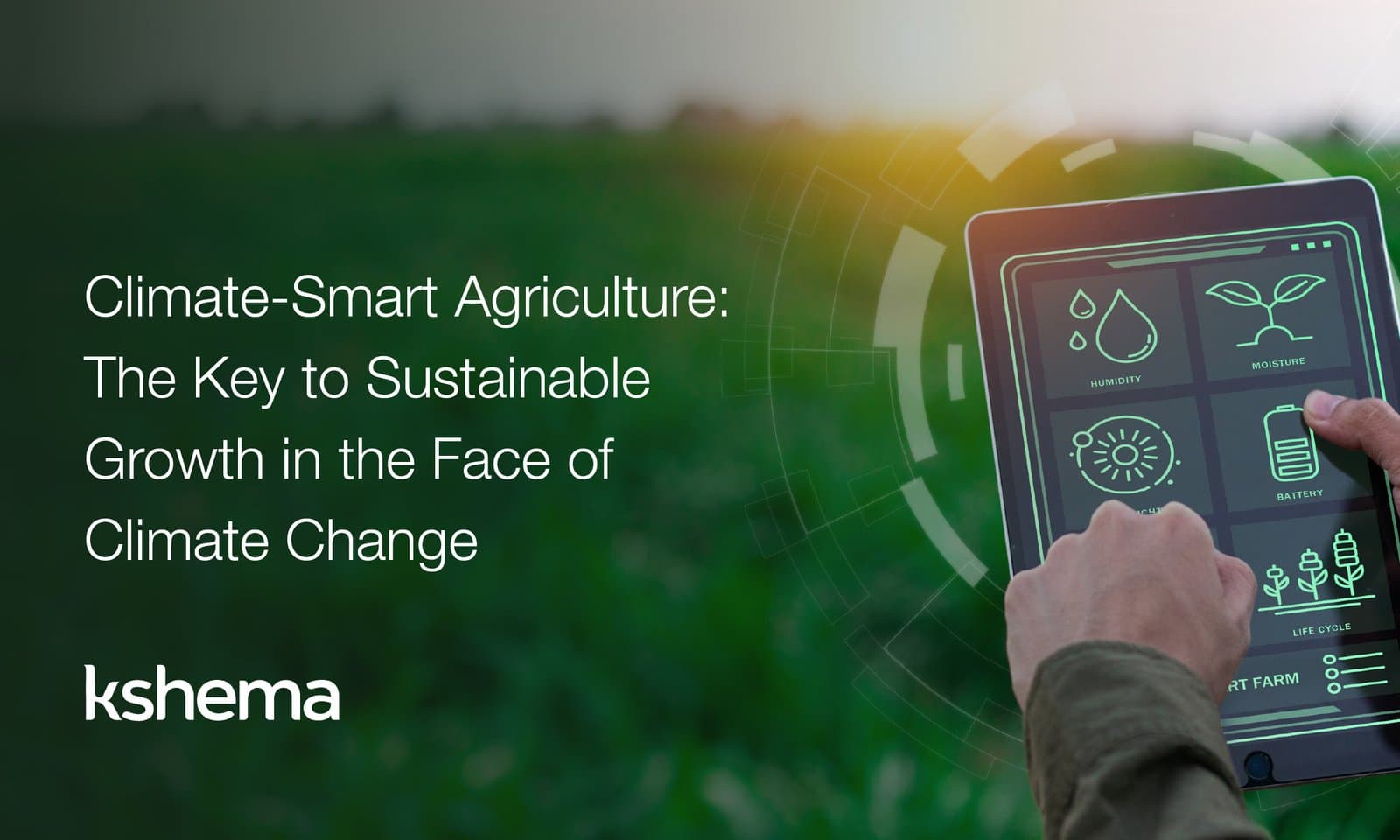
As the world grapples with the accelerating impact of climate change (opens in a new tab), agriculture stands at the forefront of both — challenges as well as solutions. Farmers, particularly small holders, are facing disruptions caused by unpredictable weather, extreme climate, and frequent calamities. While these challenges are undeniable, there’s an innovative approach offering hope:
At Kshema (opens in a new tab), we understand sustainability, resilience, and productivity must go hand in hand for agriculture to thrive in a world buffeted by changing climate patterns. Climate-Smart Agriculture is not just a strategy.it’s a fundamental shift towards transforming agriculture into a force that not only adapts to climate change but actively works to mitigate its effects.
In this blog, we will explore how Climate-Smart Agriculture is becoming a game-changer for farmers and why it’s essential for the future of food security, environmental health, and sustainable growth (opens in a new tab).
Climate-Smart Agriculture is a holistic approach to farming that integrates three critical goals:
By blending these three pillars — productivity, resilience, and environmental stewardship — Climate-Smart Agriculture is leading the way to a more sustainable and secure agricultural future.
At Kshema, we believe that embracing sustainable farming methods is no longer optional; it’s essential. CSA is an urgent response to the rapidly changing environment and the need to feed a growing population. Here’s why CSA is critical:
1. Ensuring Food Security
With the increasing frequency of extreme climate events, food production systems (opens in a new tab) are under greater stress than ever before. CSA practices such as opting for drought-resistant crops, water-efficient irrigation systems, and diversified farming help ensure that farmers can continue even in the face of unpredictable weather conditions.
2. Promoting Environmental Sustainability
CSA promotes sustainable practices like agroforestry, reduced pesticide use, and organic farming. These methods help restore soil health (opens in a new tab), improve biodiversity, and ensure fertile, viable land for the future.
3. Supporting Smallholder Farmers
Smallholder farmers in developing regions are particularly vulnerable to the impacts of climate change (opens in a new tab). CSA offers them the tools they need to thrive in a changing world. By adopting CSA practices, farmers can improve yields, reduce the financial risks posed by climate-related disasters, and tap into new markets for sustainable agricultural products.
4. Mitigating Climate Change
Agriculture contributes significantly to global greenhouse gas emission. CSA offers an opportunity to reduce these emissions through practices like improved livestock management, agroforestry, and no-till farming. It also contributes to long-term carbon sequestration, helping to restore climatic balance.
Climate-Smart Agriculture consists of a diverse array of practices. These methods are not only scientifically proven but are also adaptable to different local conditions and farming needs. Here are some of the most impactful CSA practices:
1. Agroforestry
Agroforestry involves integrating trees into farming landscapes, which can enhance biodiversity, improve soil quality, and act as natural windbreaks. Trees also help in storing carbon, making agroforestry a crucial element in mitigating climate change.
2. Efficient Water Management
Water resources are depleting in many regions, especially as climate change exacerbates drought conditions. CSA emphasises the efficient use of water through methods like drip irrigation, rainwater harvesting, and soil moisture management to ensure crops receive adequate water (opens in a new tab) while reducing wastage.
3. Drought-Resistant Crops
As part of CSA, farmers are encouraged to plant drought-resistant crops that can thrive even under water-deficient conditions. These crops require less water to grow, helping farmers maintain their production even when rainfall is scarce.
4. Soil Conservation and Fertility Management
Healthy soils are the backbone of productive agriculture. CSA promotes sustainable soil management techniques like crop rotation (opens in a new tab), reduced tillage, and organic fertilisation. These practices help prevent soil erosion, enhance soil structure, and boost long-term agricultural productivity.
5. Integrated Livestock Management
Incorporating livestock into farming systems in a sustainable manner is another important aspect of CSA. By improving grazing practices and using integrated systems that combine crop and livestock farming, CSA reduces greenhouse gas emissions and enhances both productivity and sustainability.
The benefits of climate-smart agriculture are much beyond farming. Here are the key advantages:
While the benefits are clear, adopting Climate-Smart Agriculture on a global scale does come with challenges:
The future of importance of climate smart agriculture lies in the continued collaboration between farmers, governments, NGOs, and businesses. As the impact of climate change intensifies, Climate-Smart Agriculture is emerging as an essential tool to ensure food security without compromising the health of the planet. At Kshema, we are committed to supporting farmers as they transition to CSA practices, promoting sustainability and resilience in agriculture.
Climate-Smart Agriculture is the key to transforming farming systems in the face of climate change. By focusing on sustainability, productivity, and resilience, CSA offers a blueprint for a food-secure future. At Kshema, we believe in a future where agriculture not only adapts to the changing climate but also plays an active role in mitigating its effects. With the right support, innovation, and commitment, CSA can ensure that farming remains a powerful force for good in a changing world.
Climate-Smart Agriculture (CSA) is an approach that improves productivity, builds resilience to climate change, and reduces greenhouse gas emissions in farming.
The benefits of Climate-Smart Agriculture include higher crop yields, better soil health, efficient water use, reduced emissions, and improved farmer incomes.
Climate-Smart Agriculture is important in India because it helps farmers adapt to erratic weather, ensures food security, and supports sustainable rural livelihoods.
Disclaimer:“We do not assume any liability for any actions undertaken based on the information provided here. The information gathered from various sources and are displayed here for general guidance and does not constitute any professional advice or warranty of any kind.”


IntroductionIf you own a vehicle, understanding third-party car insurance is essential. It is the most basic form of motor insurance and is required by law for all vehicles driven on Indian roads.What This Blog Covers • What third-party insurance means and how it works. • Why it is considered mandatory car insurance in India. • The benefits, coverage, and limitations of this policy. • The consequences of ignoring the car insurance legal requirement.This guide provides a clear overview of the leg

Meri Fasal Mera Byora is a Haryana government initiative to benefit the farmers of the state. It is an important platform for crop registration and provides access to various government agriculture-related benefits. As the Kharif 2026 season is in progress, completing registration correctly can help farmers avoid delays in receiving support and scheme benefits by understanding benefits of insurance to farmers.What This Guide CoversWho should register for kharif 2026Documents and details required
IntroductionCrop Loss in Karnataka remains a critical challenge for farmers, especially during the kharif season when weather uncertainties are at their peak. Understanding the causes and taking preventive measures can significantly reduce risks and improve yields by understanding proven ways to protect crops.In this blog, you’ll learn:Major causes behind crop damage in KarnatakaKey Karnataka kharif crop risks farmers should watch out forPractical strategies to minimise losses and protect cropsP

IntroductionThe Rythu Bharosa scheme in Telangana continues to play a crucial role in supporting farmers during Kharif 2026. This is the Telangana government’s flagship farmer investment support scheme for seeds, fertilisers, and labour. By providing timely financial assistance, it helps reduce input costs and stabilise agricultural income and improve financial security through benefits of insurance to farmers.What this blog coversKey advantages of the scheme in Kharif 2026How Rythu Bharosa supp
IntroductionThis is our Maharashtra Kharif crops guide that can help the farmers of Maharashtra plan the upcoming monsoon season effectively. With the right crop choices, sowing time, and risk protection strategies, farmers can maximise yield and reduce uncertainty with the help of https://kshema.co/plans/What this blog covers:Best crops suited for the Kharif season in MaharashtraIdeal sowing dates to ensure higher productivityRegion-wise considerations for crop planningPractical insurance tips

If your PM Kisan payment has not been credited in 2026, it can be both confusing and frustrating. Many farmers across India face delays due to technical or verification issues, but most problems can be resolved with the right steps.In this blog, you will learn:Why your instalment may be delayed or missingHow to complete a quick PM Kisan status checkWays to fix errors and receive future paymentsWhere to seek help if the issue persistsUnderstanding the PM-Kisan Samman Nidhi Scheme in 2026The PM-Ki