

Stay Updated with Our Latest Blogs
Subscribe to our blog and get the latest insurance tips, guides, and industry updates delivered to your inbox
Subscribe to our blog and get the latest insurance tips, guides, and industry updates delivered to your inbox
Crop Insurance
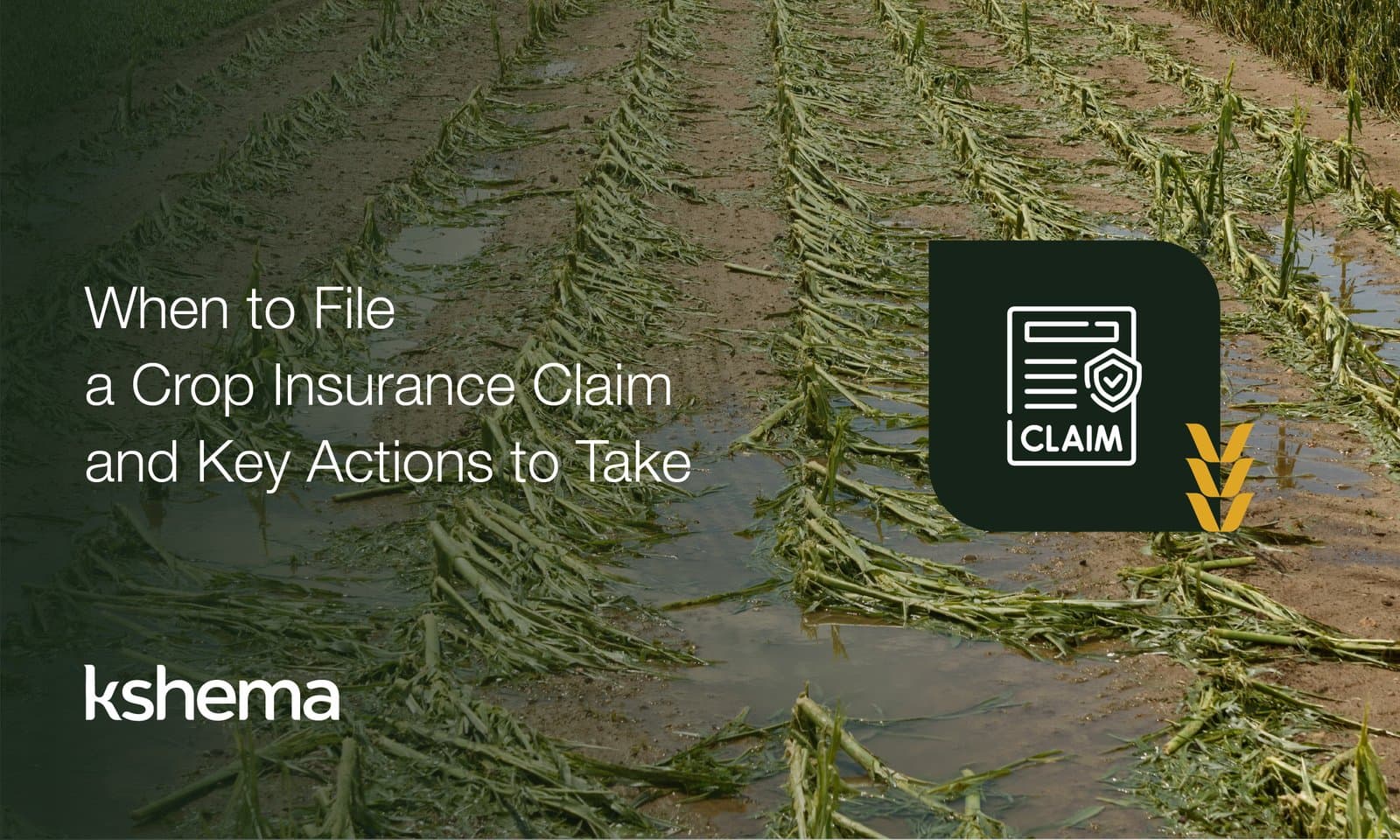
Knowing exactly when and how to file a Crop Insurance Claim can be the difference between a smooth payout and a rejected request. If your crops are hit by heavy rain, flood, drought, hail, pest attack, or sudden windstorm (aandhi/andhori), act fast. This guide explains the right time windows, step‑by‑step claim process (including PMFBY claim online), documents, and how to check your agriculture insurance company claim status—so you can recover quickly and protect the next season.
File immediately: Under PMFBY, intimate within 72 hours for localized calamity/post‑harvest loss; widespread yield loss claims are processed after crop‑cutting results—no individual intimation needed.
Where to file: PMFBY portal (pmfby.gov.in), Crop Insurance App, CSC/Bank branch, district Agri/Revenue office, or your insurer helpline. Keep policy, land, sowing proof, and geo‑tagged photos ready.
Track status: Check on PMFBY portal or insurer website using policy/claim number. Status terms like 'Approved by IC' mean the Insurance Company has accepted the claim pending payment.
A Crop Insurance Claim is a request made by a farmer to receive compensation for crop loss or damage caused by events such as natural calamities, pests, diseases, or adverse weather conditions.
These claims are processed under approved crop insurance schemes and help farmers reduce financial stress during unexpected agricultural losses.
Use this quick rule: File as soon as you observe damage. Under PMFBY, you must intimate within 72 hours for localized calamities (hailstorm, landslide, inundation/flood, and windstorm or 'andhori/aandhi') and post‑harvest losses. For widespread yield losses due to drought, flood, or cyclone, claims are automated based on notified yield—no individual intimation is required, but ensure your policy and cropping details are correct with your bank/insurer.
Tip: Keep your mobile reachable; missed inspection calls can delay assessment.
How to avoid issues: Keep digital copies, enable location on your phone for geo‑tagging, and coordinate with your village officer promptly.
At Kshema General Insurance, we recognise the vital role of small and marginal farmers in India’s agricultural landscape. Our crop insurance solutions are tailored to meet the unique challenges faced by these farmers, offering them the financial security they deserve.
Loss from drought, flood, cyclone, etc., is assessed using Crop Cutting Experiments (CCEs) at the notified unit area. If the notified yield falls below threshold yield, all insured farmers of that unit are paid automatically. Keep your bank details active to receive credit.
Hailstorm, landslide, inundation, and windstorm (andhori/aandhi) can destroy specific fields. You must intimate within 72 hours to enable on‑farm inspection and assessment.
Damage to harvested crop kept in the field for drying (up to 14 days) due to specified perils. File within 72 hours with photos and location details.
If sowing can’t be done due to adverse weather during the sowing window, intimate within 72 hours from the end of the sowing period to be considered for eligible payout.
Alternate filing: Visit your nearest CSC, bank branch, or district agriculture/revenue office with documents. They can submit the intimation on your behalf.
Apart from PMFBY, farmers and agribusinesses may use standalone agro insurance covers—like weather index, greenhouse/asset insurance, or specialty covers for high‑value crops. These have different perils, sums insured, and claim procedures. Always read policy wordings or speak to your insurer/agent to confirm timelines and documents.
If you’re within the permissible window (typically 72 hours for localized/post‑harvest cases), file immediately via PMFBY portal, app, or CSC. If the 72‑hour window has passed, still submit with an explanation and supporting proof—authorities/insurers may consider delayed intimations case‑to‑case as per state guidelines. For area‑based yield losses, you usually don’t need an individual form; ensure your policy/bank details are correct to receive automatic payout.
If you're insured, contact your insurer or the PMFBY helpdesk with your policy number. For new seasons, evaluate coverage early so you’re protected before monsoon variability escalates risks.
Also Read: https://kshema.co/how-crop-insurance-can-safeguard-small-farmers-livelihoods/ (opens in a new tab)
To maximize your Crop Insurance Claim success: report fast (ideally within 72 hours for localized/post‑harvest losses), submit strong geo‑tagged evidence, keep your policy and bank details accurate, and regularly track your claim status on the PMFBY or insurer portal. For area-based yield losses, payments are made based on notified yield results—so ensure your records are always up to date. Prepare before the season, understand your coverage, and stay claim‑ready to protect your farm income.
Staying informed and acting promptly helps safeguard your farming income during unexpected agricultural risks.
If you need help, contact your Kshema General Insurance (opens in a new tab) helpline or local agricultural insurance nodal officer. Ready to file a claim or check status? Reach out to Kshema support or log into your policy portal to start the process.
Use pmfby.gov.in or the Crop Insurance App. Log in, choose ‘Report Crop Loss,’ enter policy and loss details, upload geo‑tagged photos, and submit within 72 hours for localized/post‑harvest cases.
It means the Insurance Company has approved your claim after assessment. The payment is usually processed soon after, subject to final checks and fund flow.
File immediately with an explanation and all proof. Acceptance of delayed intimation depends on state/insurer guidelines. For area-based yield losses, individual intimation isn’t required.
Yes, under PMFBY it is treated as a localized calamity in many states. Intimate within 72 hours and facilitate field inspection with geo‑tagged evidence.
Notify your insurer immediately, share policy and loss details, allow inspection, submit documents, and track status on the insurer’s portal until settlement.
“We do not assume any liability for any actions undertaken based on the information provided here. The information gathered from various sources and are displayed here for general guidance and does not constitute any professional advice or warranty of any kind.”


IntroductionIf you own a vehicle, understanding third-party car insurance is essential. It is the most basic form of motor insurance and is required by law for all vehicles driven on Indian roads.What This Blog Covers • What third-party insurance means and how it works. • Why it is considered mandatory car insurance in India. • The benefits, coverage, and limitations of this policy. • The consequences of ignoring the car insurance legal requirement.This guide provides a clear overview of the leg

Meri Fasal Mera Byora is a Haryana government initiative to benefit the farmers of the state. It is an important platform for crop registration and provides access to various government agriculture-related benefits. As the Kharif 2026 season is in progress, completing registration correctly can help farmers avoid delays in receiving support and scheme benefits by understanding benefits of insurance to farmers.What This Guide CoversWho should register for kharif 2026Documents and details required
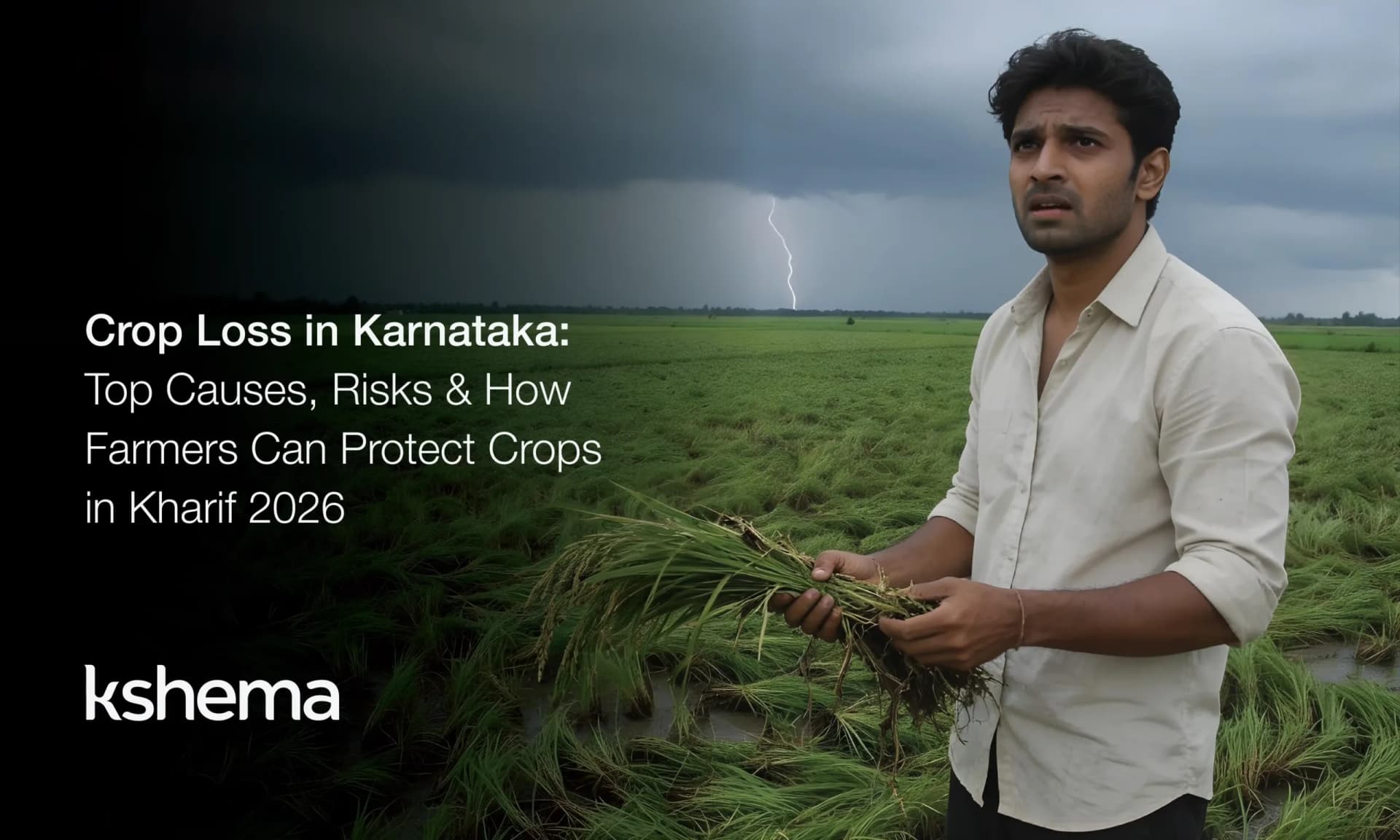
IntroductionCrop Loss in Karnataka remains a critical challenge for farmers, especially during the kharif season when weather uncertainties are at their peak. Understanding the causes and taking preventive measures can significantly reduce risks and improve yields by understanding proven ways to protect crops.In this blog, you’ll learn:Major causes behind crop damage in KarnatakaKey Karnataka kharif crop risks farmers should watch out forPractical strategies to minimise losses and protect cropsP

IntroductionThe Rythu Bharosa scheme in Telangana continues to play a crucial role in supporting farmers during Kharif 2026. This is the Telangana government’s flagship farmer investment support scheme for seeds, fertilisers, and labour. By providing timely financial assistance, it helps reduce input costs and stabilise agricultural income and improve financial security through benefits of insurance to farmers.What this blog coversKey advantages of the scheme in Kharif 2026How Rythu Bharosa supp
IntroductionThis is our Maharashtra Kharif crops guide that can help the farmers of Maharashtra plan the upcoming monsoon season effectively. With the right crop choices, sowing time, and risk protection strategies, farmers can maximise yield and reduce uncertainty with the help of https://kshema.co/plans/What this blog covers:Best crops suited for the Kharif season in MaharashtraIdeal sowing dates to ensure higher productivityRegion-wise considerations for crop planningPractical insurance tips
If your PM Kisan payment has not been credited in 2026, it can be both confusing and frustrating. Many farmers across India face delays due to technical or verification issues, but most problems can be resolved with the right steps.In this blog, you will learn:Why your instalment may be delayed or missingHow to complete a quick PM Kisan status checkWays to fix errors and receive future paymentsWhere to seek help if the issue persistsUnderstanding the PM-Kisan Samman Nidhi Scheme in 2026The PM-Ki