

Stay Updated with Our Latest Blogs
Subscribe to our blog and get the latest insurance tips, guides, and industry updates delivered to your inbox
Subscribe to our blog and get the latest insurance tips, guides, and industry updates delivered to your inbox
Crop Insurance
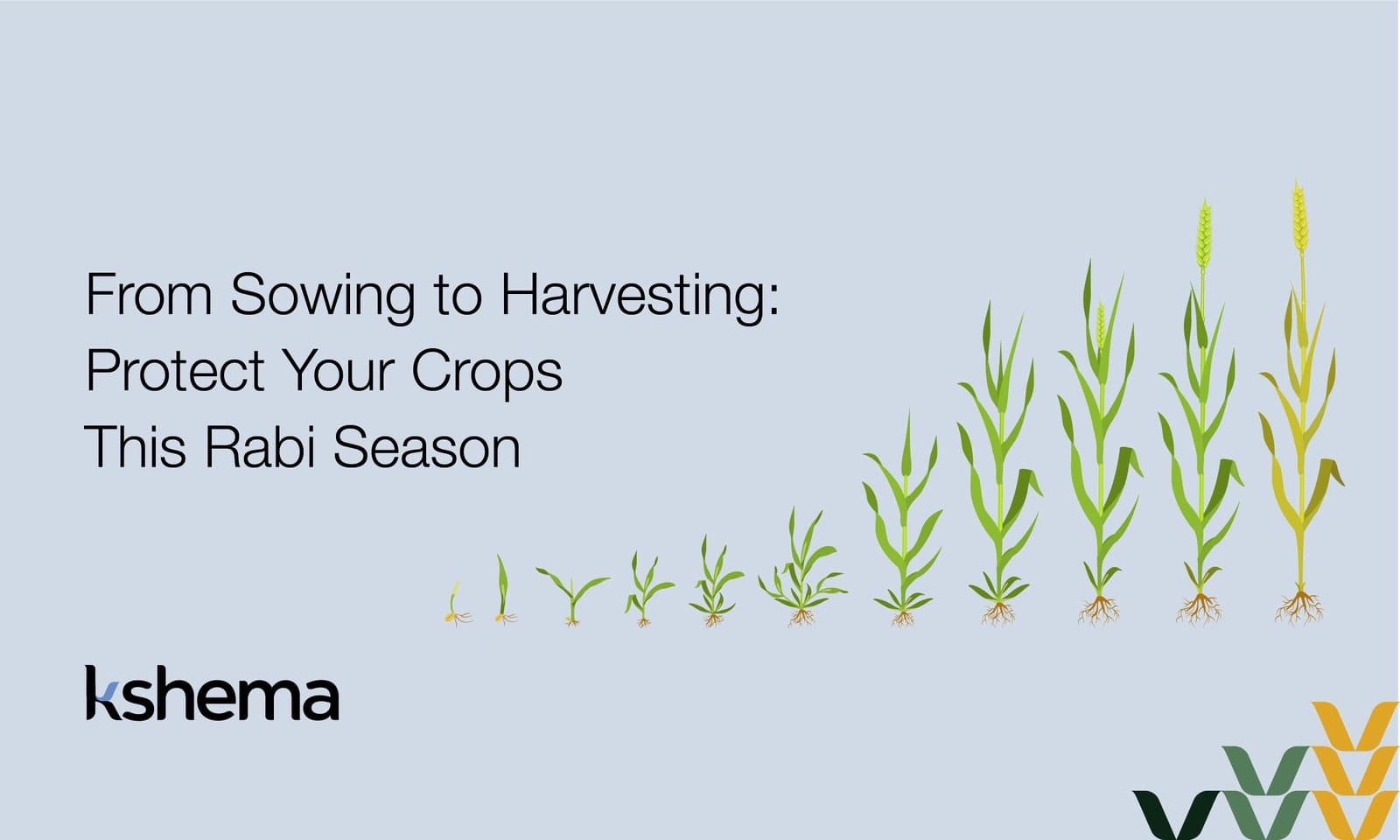
The Rabi season is India’s winter cropping cycle that starts after the monsoon retreats. Farmers begin sowing from October to November and harvest crops like wheat, mustard, barley, peas and gram between February and April. While Rabi is considered more stable than Kharif, sudden cold waves, frost and hail can still cause major losses. This blog explains the Rabi season, its crops, timeline, risks and the insurance benefits that help farmers stay protected in 2026.
Rabi season refers to India’s winter agricultural period when crops are sown after the monsoon withdraws (October–December) and harvested in spring (February–April). These crops depend more on irrigation and residual soil moisture than rainfall.
Farmers across India have already started preparing for the Rabi season, the winter agricultural cycle that begins with sowing around October and culminates in harvesting by spring in March or April. Unlike the Kharif season (opens in a new tab), which relies heavily on rainfall, Rabi crops thrive on residual soil moisture and controlled irrigation. Wheat, barley, mustard, peas, and gram are among the most commonly cultivated Rabi crops (opens in a new tab).
The shorter of the two crop seasons gives farmers another opportunity to ensure food security for the country and income security for their families.
Even with favourable weather and diligent farming practices, the Rabi season is not without its risks. Unseasonal rains, hailstorms (opens in a new tab), floods, pest attacks, and fluctuating market prices can all threaten a farmer’s hard-earned yield. This is where proactive planning, smart technology, and robust crop insurance policies come into play.
Climate change has made the Rabi season more unpredictable, with sudden cold waves, frost, and hailstorms increasingly affecting crops at critical stages.
The Rabi season is often considered more stable than the Kharif season due to its reliance on irrigation rather than monsoon rains (opens in a new tab). Yet, this stability can be deceptive. Climate change has led to increased unpredictability in weather patterns, with sudden cold waves or hailstorms damaging crops at critical growth stages. Moreover, input costs—such as seeds, fertilisers, and labour—continue to rise, making it essential for farmers to safeguard their investments.
To truly reap the benefits of the Rabi season, farmers must adopt a holistic approach that includes timely sowing, efficient irrigation, pest management, and most importantly, financial protection through crop insurance.
Despite being irrigation‑driven, the Rabi season is vulnerable to rising input costs and shifting weather cycles, making crop insurance essential for risk management.
In today’s digital age, technology is transforming agriculture in unprecedented ways.
The Kshema app is one such innovation designed to empower farmers with tools and insights that make farming smarter, safer, and more profitable.
Whether you're a smallholder or a large-scale cultivator, the Kshema app offers crop insurance policies that suit your region and crop type. Not just that, it uses advanced satellite-based technology to monitor crops and settle claims faster.
By combining traditional wisdom with modern technology, Kshema bridges the gap between the field and the future. It’s not just an app—it’s a partner in your farming journey.
Rabi crops are highly sensitive to sudden temperature drops and hail. A single night of frost can severely damage wheat or mustard fields. Crop insurance protects farmers from financial loss, supports recovery and helps maintain cash flow for the next season.
Key Crop Insurance Benefits
Despite these benefits, many farmers remain uninsured due to lack of awareness, complex procedures, or mistrust in the system. This is where Kshema General Insurance steps in to simplify and streamline the process.
Kshema offers crop insurance solutions (opens in a new tab) that are affordable and tailored to the needs of Indian farmers. Here’s how Kshema is redefining crop insurance:
The Rabi season offers strong yield potential when farmers get the timing, irrigation and risk planning right. With tools like the Kshema app and reliable crop insurance, farmers can protect their wheat, mustard and gram fields from unexpected winter weather.
Secure your Rabi 2026 season with the right coverage today. Download the Kshema App (opens in a new tab) or visit the PMFBY portal to apply for crop insurance and protect your farm in 2026.
It is the winter cropping period in India when crops are sown after monsoon retreat (Oct–Dec) and harvested in spring (Feb–Apr).
The season typically starts in October once rainfall reduces and temperatures drop.
Major Rabi crops include Wheat, mustard, barley, gram, peas and oats.
Rabi crops are sensitive to frost, cold waves, hail and unseasonal rain. Insurance protects farmers from financial loss.
Immediately after sowing, within the official notification window.
“We do not assume any liability for any actions undertaken based on the information provided here. The information gathered from various sources and are displayed here for general guidance and does not constitute any professional advice or warranty of any kind.”


IntroductionIf you own a vehicle, understanding third-party car insurance is essential. It is the most basic form of motor insurance and is required by law for all vehicles driven on Indian roads.What This Blog Covers • What third-party insurance means and how it works. • Why it is considered mandatory car insurance in India. • The benefits, coverage, and limitations of this policy. • The consequences of ignoring the car insurance legal requirement.This guide provides a clear overview of the leg

Meri Fasal Mera Byora is a Haryana government initiative to benefit the farmers of the state. It is an important platform for crop registration and provides access to various government agriculture-related benefits. As the Kharif 2026 season is in progress, completing registration correctly can help farmers avoid delays in receiving support and scheme benefits by understanding benefits of insurance to farmers.What This Guide CoversWho should register for kharif 2026Documents and details required
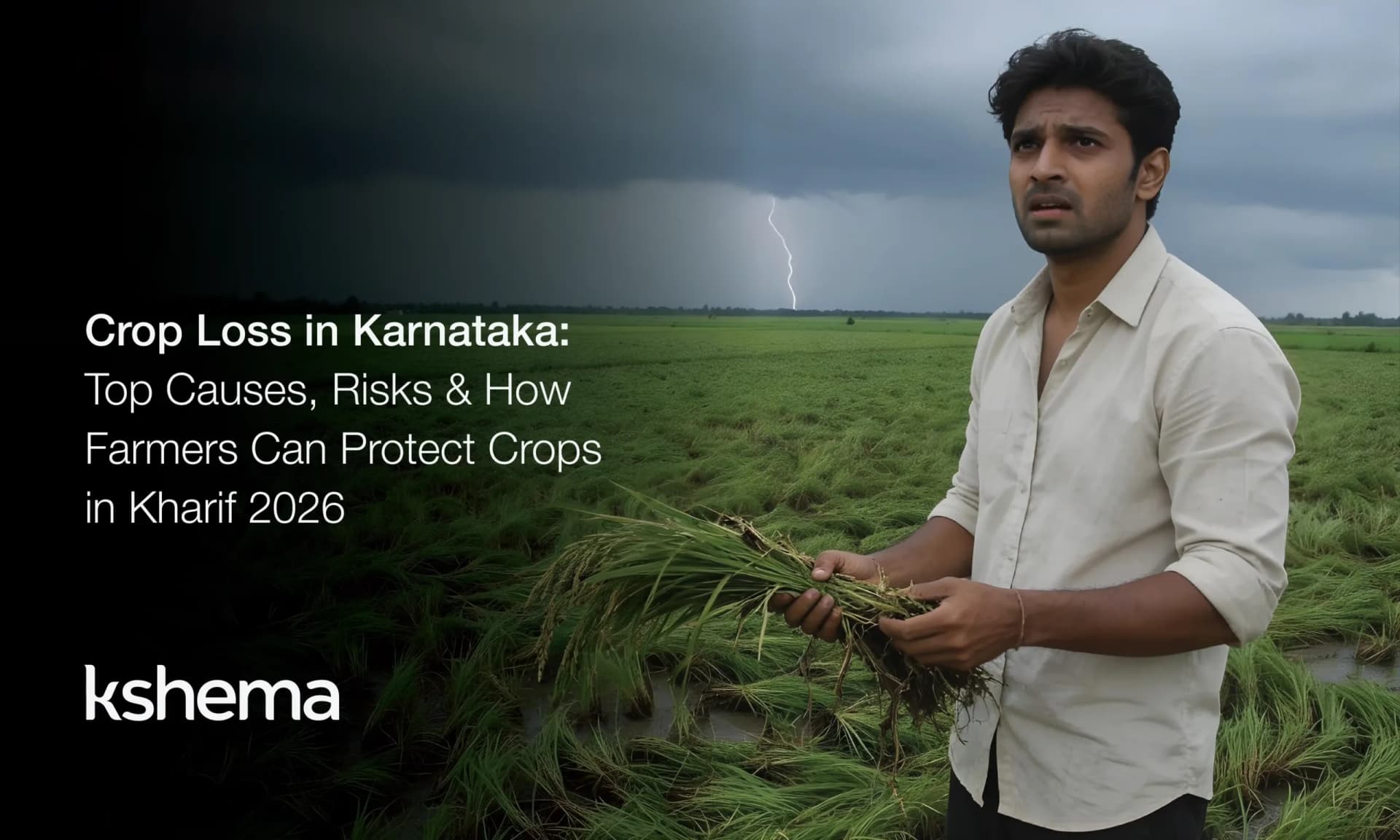
IntroductionCrop Loss in Karnataka remains a critical challenge for farmers, especially during the kharif season when weather uncertainties are at their peak. Understanding the causes and taking preventive measures can significantly reduce risks and improve yields by understanding proven ways to protect crops.In this blog, you’ll learn:Major causes behind crop damage in KarnatakaKey Karnataka kharif crop risks farmers should watch out forPractical strategies to minimise losses and protect cropsP
IntroductionThe Rythu Bharosa scheme in Telangana continues to play a crucial role in supporting farmers during Kharif 2026. This is the Telangana government’s flagship farmer investment support scheme for seeds, fertilisers, and labour. By providing timely financial assistance, it helps reduce input costs and stabilise agricultural income and improve financial security through benefits of insurance to farmers.What this blog coversKey advantages of the scheme in Kharif 2026How Rythu Bharosa supp
IntroductionThis is our Maharashtra Kharif crops guide that can help the farmers of Maharashtra plan the upcoming monsoon season effectively. With the right crop choices, sowing time, and risk protection strategies, farmers can maximise yield and reduce uncertainty with the help of https://kshema.co/plans/What this blog covers:Best crops suited for the Kharif season in MaharashtraIdeal sowing dates to ensure higher productivityRegion-wise considerations for crop planningPractical insurance tips
If your PM Kisan payment has not been credited in 2026, it can be both confusing and frustrating. Many farmers across India face delays due to technical or verification issues, but most problems can be resolved with the right steps.In this blog, you will learn:Why your instalment may be delayed or missingHow to complete a quick PM Kisan status checkWays to fix errors and receive future paymentsWhere to seek help if the issue persistsUnderstanding the PM-Kisan Samman Nidhi Scheme in 2026The PM-Ki