

Stay Updated with Our Latest Blogs
Subscribe to our blog and get the latest insurance tips, guides, and industry updates delivered to your inbox
Subscribe to our blog and get the latest insurance tips, guides, and industry updates delivered to your inbox
Crop Insurance
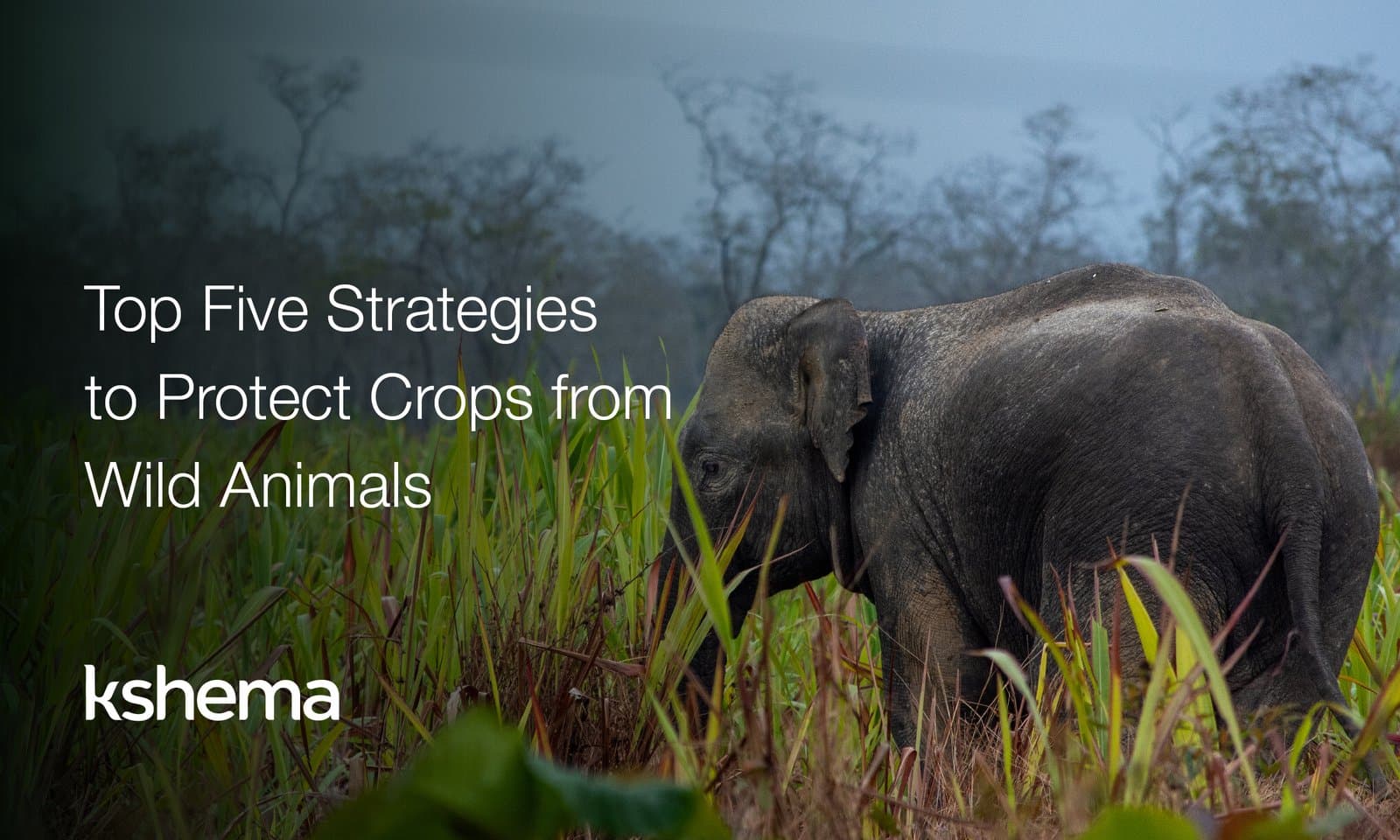
Wild animals damaging crops can wipe out months of hard work overnight. If you’re looking for practical, humane, and India-ready ways to protect crops from wild animals, this guide gives you exactly that—clear steps, field-tested examples, and low-cost options you can start today.
Quick answer:Combine barriers (nets/fences), all‑natural repellents, motion lights/alarms, field hygiene, and community patrols. Rotate methods every 2–3 weeks to prevent animal habituation.
For monkeys: netting + covered storage + troop distraction (fodder at buffer edges) + sound cues work better than one method alone.
All-natural repellent: garlic–chilli–neem spray every 5–7 days; use motion “animal garden lights” at night for wild boar/deer; keep records of incidents for compensation/insurance review.
Farming communities across India face increasing crop losses caused by wild animals such as boars, monkeys, elephants and stray cattle. To protect crops from wild animals safely and sustainably, farmers now rely on a mix of physical barriers, natural repellents, buffer crops and modern deterrents. This blog highlights simple, practical and non‑harmful strategies farmers can use to reduce crop damage and protect their livelihoods.
Farmers across India are constantly seeking ways to protect crops from wild animals and reduce crop damage by wild boars, monkeys, and elephants.
At Kshema General Insurance (opens in a new tab), we understand the plight of India’s farmers and offer crop protection solutions that safeguard crops from these threats. In this blog, we will discuss the top five strategies to protect crops from wild animals while ensuring sustainability and harmony with nature.
These methods are widely used by farmers who want to know how to protect crops from monkeys and wild boars without harming the environment.
Protecting crops from wild animals is essential for ensuring food security, reducing financial losses, and supporting sustainable farming. In many regions, farmers lose a significant portion of their harvest each year due to attacks from wild boars, monkeys, elephants, and other stray animals. These damages not only reduce yields but also increase production costs, pushing small and marginal farmers into financial stress.
Healthy and secure crops mean farmers can plan their agricultural activities with confidence, invest in better farming practices, and maintain a steady income. By adopting effective measures to protect crops from wild animals, farmers safeguard their livelihoods, reduce dependency on external loans, and contribute to the stability of the agricultural sector. Moreover, crop protection helps maintain harmony between farming communities and wildlife by using sustainable, non‑harmful methods that deter animals without endangering them.
Animals enter fields for food, water, shelter, or easy movement. Monkeys target fruits and grains near trees and rooftops; wild boar and nilgai raid tubers, groundnuts, and cereals; peacocks and deer graze tender shoots. Understanding local species and seasonality helps you choose the right mix of barriers, repellents, and layouts.
Options: solar-pulse fencing (non-lethal, low-energy), chain-link on key sides, deep trench/earthen bund for boar, live bio-fencing (agave, cactus, thorny shrubs), crop nets (bird/monkey), and tree guards for young orchards.
Tip: Start with the most-used animal path and reinforce corners and culverts first—these are common breach points.
Monkeys: Net fruit clusters, use covered drying yards, and reduce attractants (open bins, exposed grain). Rotating deterrents—reflective ribbons, predator calls (ethical, limited use), and scarecrows with moving parts—work best when alternated every 10–14 days.
Wild boar nilgai: Combine a perimeter barrier (trench or pulse fence) with smell/taste repellents on boundary rows. Rope lines dipped in chilli-tobacco-grease can deter initial entry; refresh after rains.
Deer & peacock: Use bird nets over high-value beds, reflective tape lines 1–1.5 m high, and row-covers for seedlings. Motion “animal garden lights” and alarms are effective during dusk/night grazing.
DIY garlic–chilli–neem spray: Blend 250 g green chilli + 200 g garlic + 50 ml neem oil in 10 L water with mild soap as a sticker. Ferment 24 hours; filter and spray on border rows and vulnerable patches every 5–7 days.
Commercial animal repellent for agriculture: Look for capsaicin, neem-based, or urine-odor analog products. Check label for crop safety, pre-harvest interval, and local registration. Always patch-test on a few plants first.
Maintain a simple incident log: dates, time, animal type, crop stage, photos/videos, and any losses. This helps when seeking government compensation (available in some states via Forest/Wildlife departments) and when discussing coverage options with your insurer.
Insurance note: Standard crop insurance primarily covers weather and certain perils; wild animal damage may require specific state notifications or add-ons where available. Always review policy wordings and consult licensed advisors. Kshema can guide you on suitable covers and documentation best practices.
Crop insurance protects farmers from damage caused by elephants, wild boars, monkeys and other animals, helping them recover financially.
Our aim at Kshema is to empower Indian farmers (opens in a new tab) with resources they need to thrive despite challenges like wild animal attacks and natural calamities.
Pick one strong barrier plus two rotating deterrents. Invest where the risk is highest (entry paths, ripening zones). The table below summarizes typical options.
Learning how to protect crops from wild animals is as a critical aspect of sustainable farming (opens in a new tab) in India. By combining fencing, natural repellents, modern alarms and community cooperation, farmers can minimise damage effectively. Crop insurance adds an additional safety net by covering losses due to animal attacks. With the right strategies, farmers can safeguard their fields and ensure stable productivity.
At Kshema General Insurance, we are committed to supporting the farmering community (opens in a new tab) by offering comprehensive as well as customised crop insurance solutions that cover losses due to animal attacks. Together, we can protect the crops that form the backbone of our nation’s economy.
If you are a farmer looking to secure your fields, explore our crop insurance policies and ensure that your hard work never goes to waste. Contact us today (opens in a new tab) to learn more.
Farmers use fencing, alarms, repellents and community patrols to keep animals away.
Electric fencing, trenches, chilli‑garlic spray and night alarms help stop wild boars.
Deterrents are tools like alarms, sprinklers and repellents that scare animals safely.
Natural sprays, strong‑smell plants, buffer crops and human‑scent methods reduce damage.
Yes, many crop insurance plans cover damage caused by animals like boars and elephants.
“We do not assume any liability for any actions undertaken based on the information provided here. The information gathered from various sources and are displayed here for general guidance and does not constitute any professional advice or warranty of any kind.”


IntroductionIf you own a vehicle, understanding third-party car insurance is essential. It is the most basic form of motor insurance and is required by law for all vehicles driven on Indian roads.What This Blog Covers • What third-party insurance means and how it works. • Why it is considered mandatory car insurance in India. • The benefits, coverage, and limitations of this policy. • The consequences of ignoring the car insurance legal requirement.This guide provides a clear overview of the leg


Meri Fasal Mera Byora is a Haryana government initiative to benefit the farmers of the state. It is an important platform for crop registration and provides access to various government agriculture-related benefits. As the Kharif 2026 season is in progress, completing registration correctly can help farmers avoid delays in receiving support and scheme benefits by understanding benefits of insurance to farmers.What This Guide CoversWho should register for kharif 2026Documents and details required
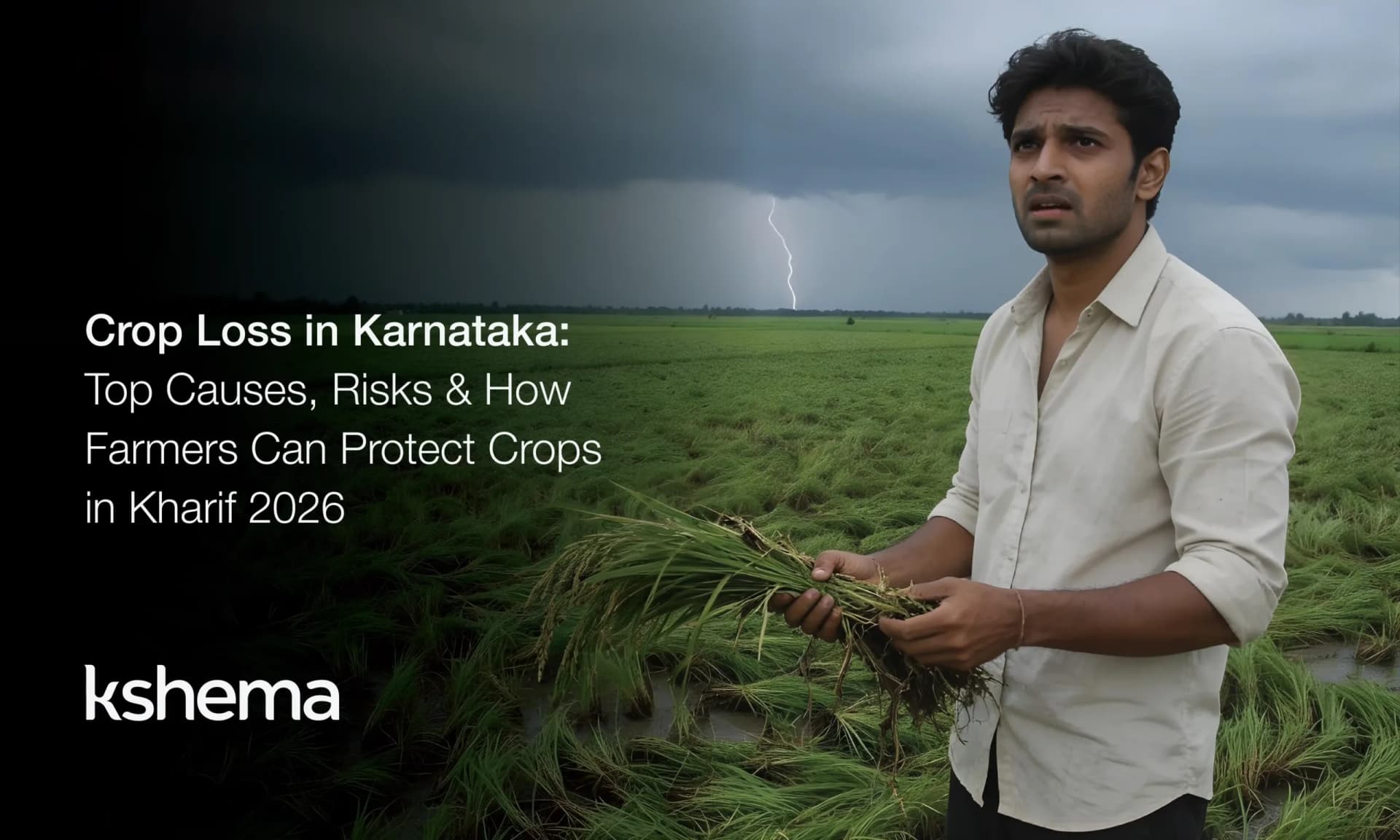
IntroductionCrop Loss in Karnataka remains a critical challenge for farmers, especially during the kharif season when weather uncertainties are at their peak. Understanding the causes and taking preventive measures can significantly reduce risks and improve yields by understanding proven ways to protect crops.In this blog, you’ll learn:Major causes behind crop damage in KarnatakaKey Karnataka kharif crop risks farmers should watch out forPractical strategies to minimise losses and protect cropsP

IntroductionThe Rythu Bharosa scheme in Telangana continues to play a crucial role in supporting farmers during Kharif 2026. This is the Telangana government’s flagship farmer investment support scheme for seeds, fertilisers, and labour. By providing timely financial assistance, it helps reduce input costs and stabilise agricultural income and improve financial security through benefits of insurance to farmers.What this blog coversKey advantages of the scheme in Kharif 2026How Rythu Bharosa supp
IntroductionThis is our Maharashtra Kharif crops guide that can help the farmers of Maharashtra plan the upcoming monsoon season effectively. With the right crop choices, sowing time, and risk protection strategies, farmers can maximise yield and reduce uncertainty with the help of https://kshema.co/plans/What this blog covers:Best crops suited for the Kharif season in MaharashtraIdeal sowing dates to ensure higher productivityRegion-wise considerations for crop planningPractical insurance tips

If your PM Kisan payment has not been credited in 2026, it can be both confusing and frustrating. Many farmers across India face delays due to technical or verification issues, but most problems can be resolved with the right steps.In this blog, you will learn:Why your instalment may be delayed or missingHow to complete a quick PM Kisan status checkWays to fix errors and receive future paymentsWhere to seek help if the issue persistsUnderstanding the PM-Kisan Samman Nidhi Scheme in 2026The PM-Ki