
Introduction
- Buy in easy steps
- Premium Starts at INR 499
- Protect 100+ Crops
- Quick & Easy Claims
What This Blog Covers
• What third-party insurance means and how it works.
• Why it is considered mandatory car insurance in India.
• The benefits, coverage, and limitations of this policy.
• The consequences of ignoring the car insurance legal requirement.
This guide provides a clear overview of the legal and practical importance of third-party cover, helping vehicle owners make informed decisions.
What Is Third-Party Car Insurance?
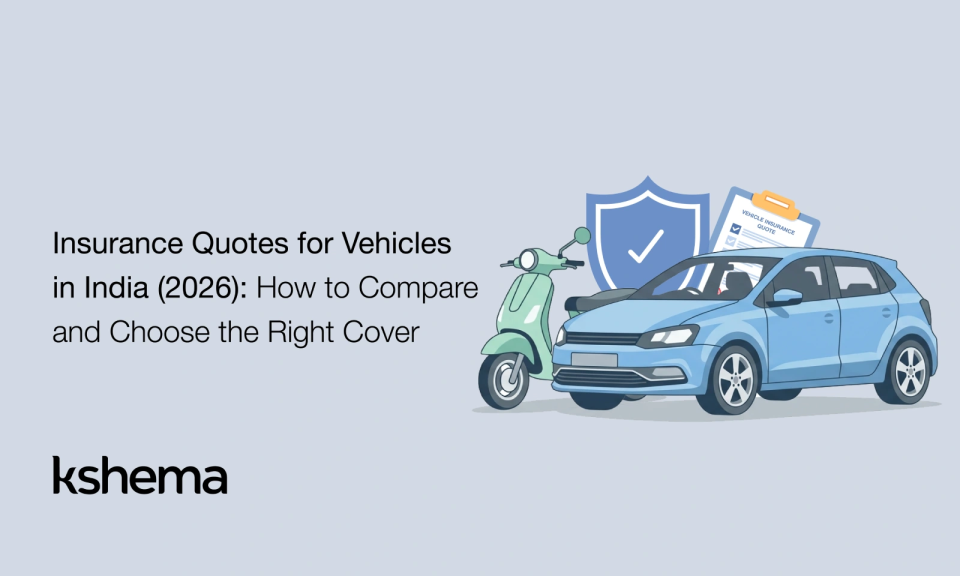
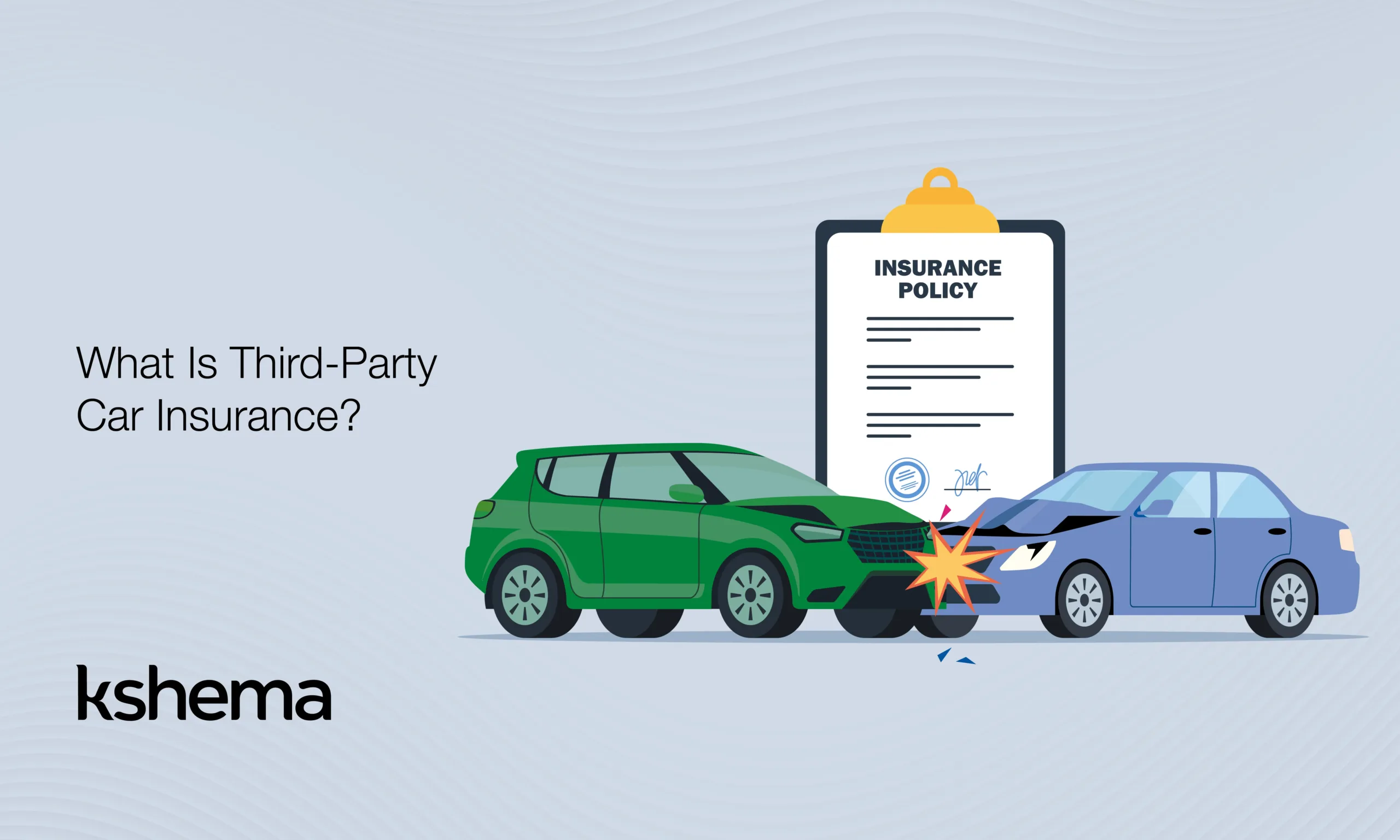
Third-party car insurance is a motor insurance policy that protects the policyholder against financial liabilities arising from damage or injury caused to another person, vehicle, or property. In simple terms, if your car causes an accident that affects someone else, the insurer compensates the affected third party according to the policy terms.
This type of insurance does not cover damage to your own vehicle. Its primary objective is to ensure that accident victims receive financial compensation without facing unnecessary delays or disputes
Why Is It Mandatory in India?
The requirement for third-party car insurance comes from motor vehicle regulations designed to protect road users. It is regarded as mandatory car insurance in India because it provides a financial safety net for people who suffer losses due to another driver’s actions.
The government requires every vehicle owner to maintain valid insurance before driving on public roads.This rule exists to ensure that accident victims can obtain compensation for injuries, death, or property damage without depending solely on the responsible driver’s financial capacity.
In addition, the policy fulfils an important car insurance legal requirement, helping maintain accountability and financial responsibility among vehicle owners
What Does Third-Party Car Insurance Cover?
1. Third-Party Injury or Death
2. Damage to Third-Party Property
3. Legal Liabilities
What Is Not Covered?
While third-party car insurance provides important protection, it has certain exclusions.
Common non-covered situations include:
• Damage to your own vehicle.
• Loss due to wear and tear.
• Mechanical or electrical breakdowns.
• Driving under the influence of alcohol or prohibited substances.
• Claims arising from invalid driving licences.
• Personal belongings stolen from the insured vehicle.
Understanding these exclusions helps policyholders avoid misunderstandings during claims.
Legal Consequences of Driving Without Insurance
Many motorists underestimate the importance of mandatory car insurance in India, assuming that accidents are unlikely to occur. However, driving without valid insurance can lead to significant legal and financial consequences.
Failure to comply with mandatory car insurance in India may result in penalties, fines, or other actions under applicable motor vehicle laws. More importantly, if an uninsured driver causes an accident, they may be personally responsible for compensating injured parties or covering property damage expenses.
Vehicle owners should always ensure their policies remain active and renewed on time to meet the car insurance legal requirement.
Key Benefits of Third-Party Insurance
Financial Protection
Legal Compliance
Affordable Premiums
Peace of Mind
Limitations/Things to Be Aware Of
Before purchasing third-party car insurance, vehicle owners should understand its limitations.
• It does not cover repairs to your own car after an accident.
• It may not provide protection against theft of your vehicle.
• Coverage applies to third-party liabilities.
• Claim settlement depends on policy terms and regulatory provisions.
• Meeting the car insurance legal requirement does not automatically mean you have complete
protection for all possible losses.
Additionally, although it satisfies the law, drivers seeking broader protection may need comprehensive insurance alongside the mandatory cover.
How to Choose the Right Policy
When purchasing or renewing insurance, remember that mandatory car insurance in India is only the
minimum requirement. Consider the following factors:
• Reputation and reliability of the insurer.
• Ease of claim processing.
• Customer support quality.
• Policy terms and exclusions.
• Availability of additional coverage options.
While the legal obligation is important, selecting a trusted insurer can improve your overall experience and provide greater confidence on the road.
Common Misconceptions About Third-Party Insurance
Many vehicle owners believe that third-party car insurance covers all accident-related expenses. This is incorrect. The policy mainly focuses on liabilities arising from harm or damage caused to others.
Another common misconception is that purchasing insurance once is sufficient forever. Policies must
remain valid and be renewed according to applicable terms. Vehicle owners should regularly check
policy status to ensure uninterrupted coverage.
Conclusion
Third-party car insurance is an essential protection mechanism that safeguards vehicle owners against liabilities arising from accidents involving others. It also fulfils the legal obligation of mandatory car insurance in India, ensuring compliance with road safety regulations.
Before driving, verify that your policy is active, understand its limitations, and consider additional
coverage if you want broader financial protection.
Frequently Asked Questions (FAQ)
1. Is third-party car insurance compulsory for every vehicle owner in India?
2. Does third-party insurance cover damage to my own car?
3. What happens if I drive without valid insurance?
4. Is third-party insurance cheaper than comprehensive insurance?
5. Can I upgrade from third-party insurance to comprehensive insurance?
Disclaimer:
We do not assume any liability for any actions undertaken based on the information provided here. The information gathered from various sources and are displayed here for general guidance and does not constitute any professional advice or warranty of any kind.